Many US gamers, average age 36, find themselves caught between a demanding work-life balance and their passion for virtual worlds. The dream of high-performance gaming often clashes with a strict budget, making the quest for a capable "gaming desktop under 500" seem like an impossible mission. Yet, in 2026, smart choices and strategic planning can turn this dream into a playable reality. This comprehensive guide cuts through the hype, offering practical, no-nonsense advice for adults who want to unwind with their favorite titles, connect with friends online, or even dabble in skill-building without breaking the bank. Discover how to identify essential components, where to find the best deals, and what realistic expectations to set, ensuring your hard-earned dollars translate into maximum gaming enjoyment. We address common pain points like performance bottlenecks and upgrade paths, empowering you to make informed decisions for your budget-friendly gaming setup.
Is it realistic to expect a gaming desktop under 500 to run modern games smoothly?
Absolutely, with smart expectations. While a gaming desktop under 500 won't run AAA titles on Ultra settings at 144Hz, it is entirely realistic to expect solid performance on popular esports titles like Valorant or CS2, and many single-player games at 1080p on low-to-medium settings. The key is focusing on specific components and being open to refurbished or used parts. Many US gamers successfully enjoy titles like Apex Legends or even older GTA V versions on such setups, proving it's more about strategic component selection than an unlimited budget.
What specific components offer the most bang for my buck when building or buying a gaming PC under 500?
For a gaming desktop under 500, prioritize the Graphics Card (GPU) and Processor (CPU). A dedicated GPU like an RX 580, GTX 1060, or even a newer integrated solution like AMD's Ryzen APUs can make a huge difference. Pair that with at least 8GB of RAM, preferably 16GB if you can stretch, and an SSD for lightning-fast load times. These core three dictate your gaming experience the most, allowing you to enjoy your limited gaming hours without frustrating slowdowns.
Where are the best places to find reliable components or prebuilt gaming desktops under 500?
For a gaming desktop under 500, your best bets are the used market (eBay, Facebook Marketplace, local classifieds), reputable refurbished sellers (Newegg Refurbished, Amazon Renewed), and sometimes clearance sales from major retailers. Be diligent in checking seller reviews and asking for benchmarks or proof of functionality. Building it yourself from carefully sourced used parts often yields the best performance for the price, but prebuilt refurbished options can offer convenience.
Can I really upgrade a gaming desktop bought for under 500 later on?
Yes, upgradability is a major advantage of a budget gaming desktop under 500, especially if you plan it right. Focus on a motherboard with a decent CPU socket (like AM4 or a newer Intel socket) that allows for CPU upgrades down the line. Ensure the power supply unit (PSU) has some headroom for a future, more powerful GPU. This strategy allows busy gamers to incrementally improve their system as budgets allow, without needing a full system overhaul every time a new challenge arises in life or gaming.
What kind of gaming experience should I realistically expect from a PC in this price range?
A gaming desktop under 500 should offer a solid 1080p gaming experience on less demanding titles at medium to high settings, and many newer AAA games at 1080p on low to medium settings with acceptable frame rates (30-60 FPS). Think smooth competitive play in popular esports, enjoyable runs in indie gems, and even exploring older AAA story-driven games. It's about optimizing settings and choosing games that fit your hardware, allowing you to relax and enjoy without constant performance anxiety.
How important is an SSD for a budget gaming desktop under 500?
An SSD is critically important for any gaming desktop, especially one under 500. It dramatically improves system responsiveness, game loading times, and overall user experience. While you might only afford a smaller 250-500GB SSD for your OS and main games, it's a non-negotiable component. It saves precious gaming time by cutting down on waiting, allowing you to jump straight into the fun, which is crucial for gamers balancing life and play.
What are some crucial software optimizations for a gaming desktop under 500?
To maximize your gaming desktop under 500, focus on software optimizations: keep drivers updated, close background applications, adjust in-game graphics settings for performance over fidelity, and utilize tools like Nvidia GeForce Experience or AMD Adrenalin to optimize game settings. Ensure Windows is updated and disable unnecessary startup programs. These tweaks are free and can significantly boost frame rates, helping you get the most out of your budget hardware and enjoy smoother gameplay sessions after a long day.
The grind is real, whether it's navigating career demands, juggling family responsibilities, or simply trying to carve out a moment of peace. For many US gamers, particularly those around the age of 36 who make up a significant portion of the gaming community, that precious free time is often spent unwinding, connecting with friends on Discord, or diving into immersive virtual worlds. You want to game, you need that escape and challenge, but the thought of dropping thousands on a new rig just isn't realistic. This is where the quest for a "gaming desktop under 500" comes in, a challenge many assume is impossible in 2026. With 87% of US gamers playing regularly and many dedicating over 10 hours a week, the desire for an accessible gaming experience is stronger than ever. But how do you achieve that without feeling like you're playing catch-up or sacrificing too much performance? You're not looking for a top-tier esports machine; you're looking for value, reliability, and the ability to enjoy current popular titles, from cozy social games to engaging free-to-play options, without constant frustration. This guide is your no-nonsense blueprint to navigating the budget battlefield, offering practical solutions to common pain points like slow loading times, choppy frame rates, and the daunting prospect of hardware upgrades. We're here to show you that a capable gaming desktop under 500 isn't just a fantasy; it's an achievable reality with the right knowledge and strategy.
Is a Gaming Desktop Under 500 Dollars Really Possible in 2026?
Yes, absolutely. While it might sound like a stretch in 2026, finding a capable "gaming desktop under 500" is definitely within reach. The trick isn't looking for brand-new, top-of-the-line components, but rather embracing smart shopping, understanding component priorities, and setting realistic expectations. Many US gamers are balancing families and jobs, finding their escape in virtual worlds, and they prove that budget gaming is not only possible but thriving. We're talking about enjoying 1080p gaming, especially for popular social and competitive titles that 87% of gamers regularly engage with. It means choosing value over pure horsepower, perhaps opting for slightly older generation hardware or skillfully navigating the refurbished market to piece together a system that delivers solid performance where it counts.
What Key Components Should I Prioritize for a Gaming PC Under 500?
When every dollar counts for your "gaming desktop under 500," strategic component allocation is paramount.
Graphics Card (GPU): This is your number one priority. For under $500, you'll likely be looking at the used market for GPUs like the AMD RX 580 (8GB), Nvidia GTX 1060 (6GB), or perhaps even an older GTX 1650 Super. These cards, while not cutting edge, offer excellent 1080p performance on medium settings for many popular games. In some cases, modern AMD APUs (like a Ryzen 5 5600G) with strong integrated graphics can serve as a starting point, allowing you to delay a dedicated GPU purchase.
Processor (CPU): Aim for at least a quad-core processor. Older Intel i5 (like 6th-9th gen) or AMD Ryzen 3/5 (1st-3rd gen) chips found in used systems provide a great balance for gaming and everyday tasks. Don't overspend here; a solid CPU from a few generations back will still handle most games admirably, especially when paired with a decent GPU.
RAM (Memory): 8GB of DDR4 RAM is the absolute minimum for a smooth gaming experience in 2026, but 16GB is highly recommended if your budget allows. Many modern games and background applications, especially if you're multitasking or running Discord, will appreciate the extra headroom. Look for at least 2666MHz speed.
Storage (SSD): A Solid State Drive (SSD) is non-negotiable. Even a small 240GB or 500GB NVMe or SATA SSD for your operating system and primary games will dramatically improve load times and overall system responsiveness. This saves precious minutes during your limited gaming sessions, getting you into the action faster.
Power Supply Unit (PSU): Don't skimp entirely here. A reliable 450W-550W PSU from a known brand (e.g., Corsair, EVGA, Seasonic) is sufficient for a budget build and offers crucial stability. Buying used is risky; try to find a new, entry-level reliable unit on sale.
Motherboard and Case: These can be very budget-friendly. Look for older but compatible chipsets. The case primarily serves airflow and aesthetics, so prioritize functionality over flashy RGB for a "gaming desktop under 500."
New or Used: Where Should I Look for a Budget Gaming Desktop Under 500?
Finding a "gaming desktop under 500" means becoming a smart hunter for deals.
Used Marketplaces:
eBay: A goldmine for individual components or even entire systems. Be vigilant, check seller reviews, and look for detailed descriptions and photos. Always ask for benchmarks or system information if not provided. Many users sell their previous-gen hardware after upgrading, offering great value.
Facebook Marketplace/Local Classifieds: Often the best place for local pickups, saving on shipping. You can sometimes negotiate prices and even inspect the system in person before buying. However, exercise caution and meet in public places.
r/hardwareswap (Reddit): A community dedicated to buying, selling, and trading hardware. It often has detailed rules and a feedback system that can offer more security than general classifieds.
Refurbished Retailers:
Newegg Refurbished / Amazon Renewed: These platforms offer professionally refurbished systems or components, often with a limited warranty. This provides a layer of security not always found in private sales.
Manufacturer Refurbs: Sometimes Dell, HP, or Lenovo will have refurbished gaming systems or workstations that can be repurposed. Keep an eye out for their sales.
Clearance/Sales:
Major Retailers (Best Buy, Amazon, Micro Center): During major sales events (Black Friday, Cyber Monday, Prime Day), you might find entry-level new components or even barebones systems that, with a bit of extra investment, could form a "gaming desktop under 500." Always compare specs carefully.
Remember, patience is key. The best deals for a "gaming desktop under 500" often appear suddenly, so checking these sources regularly is crucial. Many gamers, averaging 10+ hours a week in games, have built their setups this way, proving that dedication pays off in savings and performance.
Can I Play Popular Games on a 500 Gaming PC? What About New Titles?
Yes, you absolutely can play popular games on a "gaming desktop under 500," but with important caveats. You're looking at 1080p resolution, and for newer, graphically intensive titles, you'll need to adjust settings to low or medium.
Esports & Social Games: Titles like Valorant, CS2, League of Legends, Dota 2, and Overwatch 2 will run very well, often hitting 60+ FPS on medium to high settings. These games are optimized for a wide range of hardware, making them perfect for your budget build. Even popular free-to-play games like Genshin Impact or Apex Legends can be enjoyed with some graphical compromises.
Older AAA Titles: Many acclaimed games from a few years ago (e.g., Grand Theft Auto V, The Witcher 3, Fallout 4, Doom Eternal) are highly playable on a "gaming desktop under 500" at respectable settings and frame rates. They offer incredible value and countless hours of enjoyment without stressing your budget rig.
Current AAA Titles: This is where expectations must be managed. For brand-new, graphically demanding games released this month or recently, you will likely need to play at 1080p on low settings, possibly even 720p for some, to achieve playable frame rates (30 FPS is generally considered the minimum for a console-like experience). Frame generation technologies or upscaling (like AMD FSR or Nvidia DLSS if supported by your GPU) can help bridge the gap. The goal is enjoyment and immersion, not necessarily competitive ultra settings.
Ultimately, a "gaming desktop under 500" is about smart game selection and optimization. It's perfectly suited for the 60% of US gamers who prioritize relaxation, fun, and social play, enabling them to join friends on Discord or dive into compelling stories without breaking the bank.
What Are the Common Performance Bottlenecks with a Budget Gaming Desktop?
Even the best-optimized "gaming desktop under 500" will inevitably face performance bottlenecks. Understanding these limitations helps manage expectations and guides future upgrades.
CPU Bottleneck: If your CPU is significantly weaker than your GPU, it can struggle to feed enough data to the graphics card, leading to lower frame rates even if your GPU isn't fully utilized. This is more common in CPU-intensive games or scenarios with many AI characters or physics calculations.
GPU Bottleneck: Conversely, if your GPU isn't powerful enough, it will be the primary limiting factor, struggling to render frames quickly even with a strong CPU. This is the most common bottleneck in budget gaming, as the GPU typically has the biggest impact on gaming performance.
Insufficient RAM: Running with only 8GB of RAM, especially if you have other applications open, can lead to stuttering, slow loading times, and even game crashes as your system resorts to slower virtual memory on your storage drive. Upgrading to 16GB is often one of the most impactful and affordable upgrades.
Slow Storage (HDD): If you're still running your OS or games off a traditional Hard Disk Drive (HDD), you'll experience painfully slow boot times, long loading screens, and general system sluggishness. An SSD is a game-changer for overall responsiveness, crucial for gamers balancing limited time with their hobbies.
Poor Cooling: Overheating CPU or GPU can lead to thermal throttling, where components intentionally slow down to prevent damage. This results in significant performance drops. Ensure good airflow and clean dust filters regularly, especially if your budget case has limited fan options.
Identifying these bottlenecks is the first step towards optimizing your "gaming desktop under 500" and planning the most effective future upgrades, ensuring your gaming sessions are as smooth and enjoyable as possible.
How Can I Optimize My Gaming Experience on a Cheap PC?
Getting the most out of your "gaming desktop under 500" requires smart optimization, both in hardware and software. These tricks can make a significant difference for busy gamers looking for a smooth experience without breaking the bank.
Software Optimizations:
Update Drivers: Always keep your GPU drivers (Nvidia GeForce Experience, AMD Adrenalin) up to date. Manufacturers regularly release performance improvements and bug fixes that can boost frame rates.
Adjust In-Game Settings: This is paramount. Prioritize lower resolutions (1080p), reduced texture quality, shadow details, anti-aliasing, and view distance. Experiment to find the sweet spot between visual fidelity and playable frame rates. Many games offer "performance" presets.
Close Background Apps: Before launching a game, close any unnecessary programs like web browsers, streaming services, or large downloads. This frees up RAM and CPU cycles for your game.
Windows Optimization: Set your power plan to "High Performance," disable unnecessary startup programs, and ensure Windows is always updated. Consider disabling visual effects in Windows for a slight performance bump.
Disk Cleanup: Regularly clear temporary files and defragment HDDs (though not SSDs). Ensure you have ample free space on your gaming drive.
Hardware & Maintenance:
Clean Your PC: Dust accumulation severely impacts cooling efficiency. Regularly clean your fans, heatsinks, and case filters with compressed air. Better cooling prevents thermal throttling.
Good Airflow: Ensure your case fans are correctly oriented to create positive or neutral airflow, bringing cool air in and expelling hot air out. Even a budget case can benefit from thoughtful fan placement.
Monitor Refresh Rate: Ensure your monitor is set to its highest refresh rate in Windows settings (e.g., 60Hz). While not directly boosting FPS, it ensures you're seeing every frame your PC can produce.
By implementing these tips, you can transform a seemingly underpowered "gaming desktop under 500" into a much more responsive and enjoyable machine, allowing you to maximize your precious gaming moments.
What Are My Upgrade Options for a Gaming Desktop Under 500?
One of the smartest ways to approach a "gaming desktop under 500" is to view it as a foundation for future improvements. Strategic upgrades can significantly extend its lifespan and boost performance without needing to buy a whole new system.
GPU Upgrade: This will almost always provide the biggest leap in gaming performance. As your budget allows (perhaps after saving up another few hundred dollars), upgrading to a more powerful graphics card (e.g., an RTX 2060, GTX 1660 Super, or an RX 6600 from the used market) will unlock higher settings and frame rates in more demanding titles. Ensure your PSU can handle the new card.
RAM Upgrade: If you started with 8GB, upgrading to 16GB (or even 32GB if you're a heavy multi-tasker or play specific games) is often an affordable and impactful upgrade. Look for matching speed and timings to your existing sticks for optimal performance.
CPU Upgrade: If your motherboard supports it, upgrading your CPU to a higher-end chip within the same socket can alleviate CPU bottlenecks. For example, upgrading an older Ryzen 3 to a Ryzen 5 or 7, or an Intel i5 to an i7 of the same generation. Check motherboard compatibility lists carefully.
More/Faster Storage: While you likely started with an SSD, adding a larger SSD for more games or upgrading to a faster NVMe drive can further enhance load times and overall system snappiness. A secondary HDD can also be added for bulk storage of less-accessed files.
Better Cooling: If you notice high temperatures, investing in an aftermarket CPU cooler or additional case fans can improve thermal performance, preventing throttling and potentially allowing for stable minor overclocking. This is particularly relevant for those playing for 10+ hours a week, as consistent performance is key.
Planning for these incremental upgrades helps extend the life and capability of your "gaming desktop under 500," allowing it to grow with your needs and budget. This approach resonates with the value-conscious gamer, ensuring that their investment continues to pay off.
How Do I Balance Gaming with My Busy Life on a Budget PC?
For the average US gamer, around 36 years old, balancing work, family, and personal life with a passion for gaming is a daily challenge. A "gaming desktop under 500" helps keep the financial pressure low, but managing your time and expectations is key.
Scheduled Gaming: Just like scheduling workouts or family time, schedule your gaming sessions. Even 30-60 minutes a few times a week can be incredibly fulfilling. This prevents gaming from interfering with other responsibilities and makes your sessions more impactful.
Game Selection: Focus on games that respect your time. Multiplayer games with quick match queues, engaging single-player titles you can pick up and put down, or cooperative games with friends on Discord are excellent choices. Many social/cozy games or free-to-play options fit this mold perfectly, allowing you to connect without long commitments.
Embrace Mobile/Cross-Play: Don't overlook mobile gaming. With mobile dominance growing, many games offer cross-progression or similar experiences on the go, allowing you to sneak in quick sessions during commutes or breaks. Your "gaming desktop under 500" handles the heavier lifting at home, complementing your mobile play.
Value Over Hype: Resist the urge to constantly chase the newest, most graphically demanding titles if they don't fit your budget PC or time constraints. There's a vast library of incredible games that are older, cheaper, and perfectly suited for your setup, offering immense fun and skill-building opportunities.
Communicate: If you game with friends, communicate your availability. Most friends understand if you can only join for a specific period. Social gaming is a huge trend, and maintaining those connections is important for stress relief.
Your "gaming desktop under 500" is a tool for enjoyment, not another source of stress. By managing expectations and being smart with your time, you can truly leverage gaming for relaxation, social connection, and fun, fitting it seamlessly into your busy life.
Are Prebuilt Gaming Desktops Under 500 Ever a Good Deal?
Finding a new, quality "prebuilt gaming desktop under 500" in 2026 is extremely challenging, almost impossible, from major brands like Alienware or Republic of Gamers. However, there are specific scenarios where they *can* be a good deal.
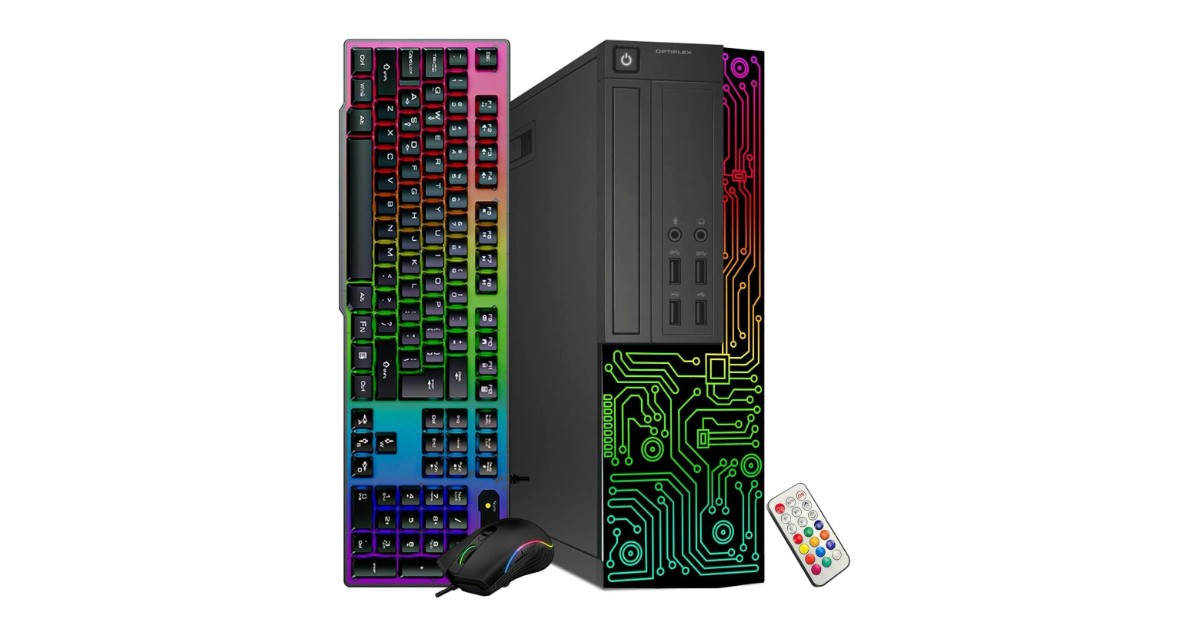
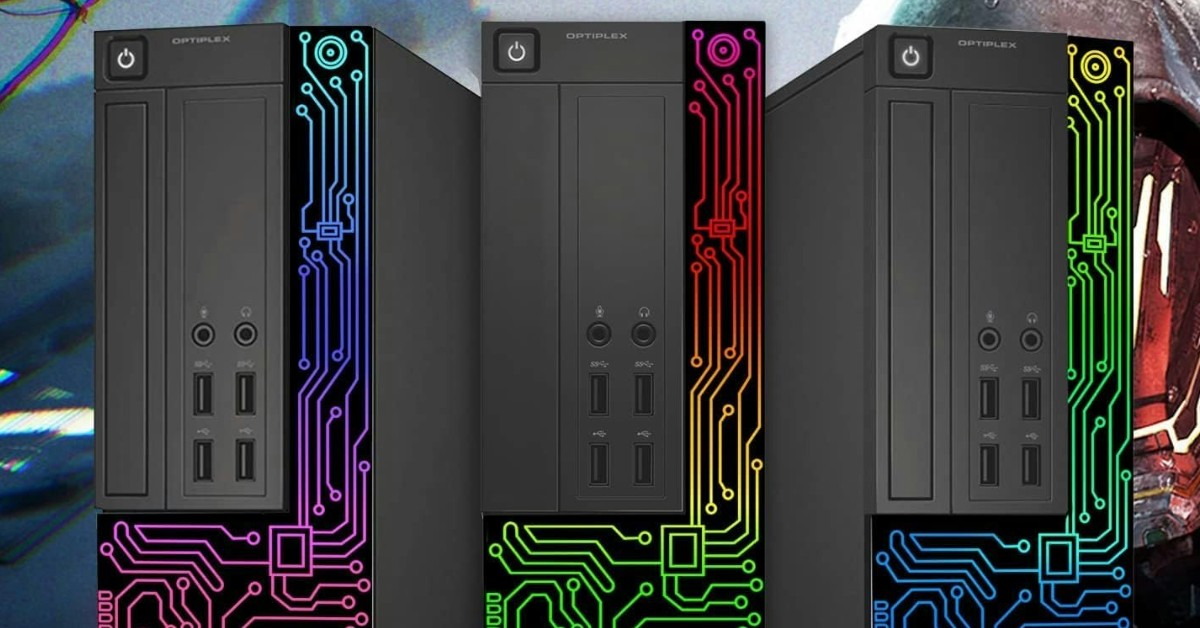
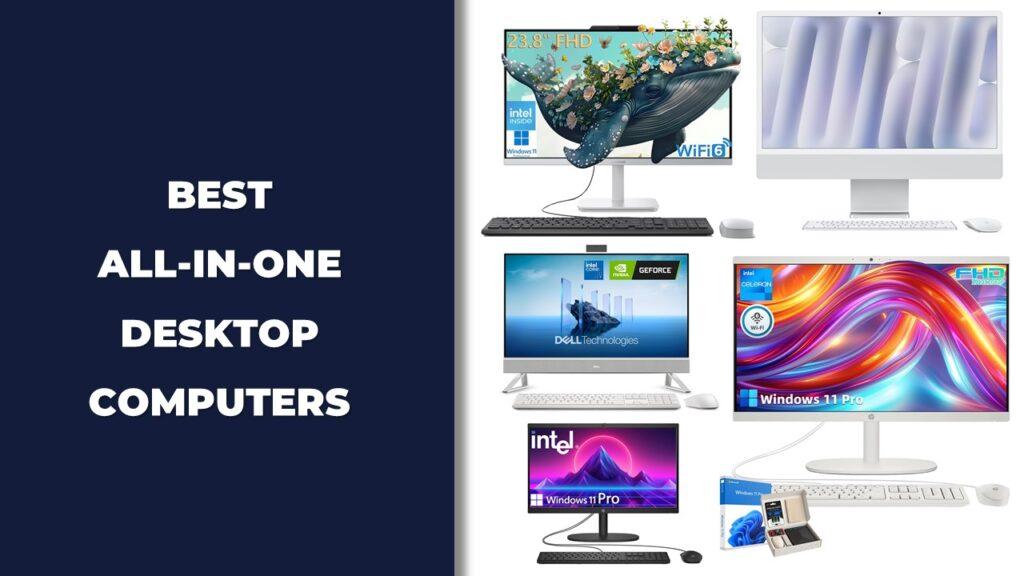
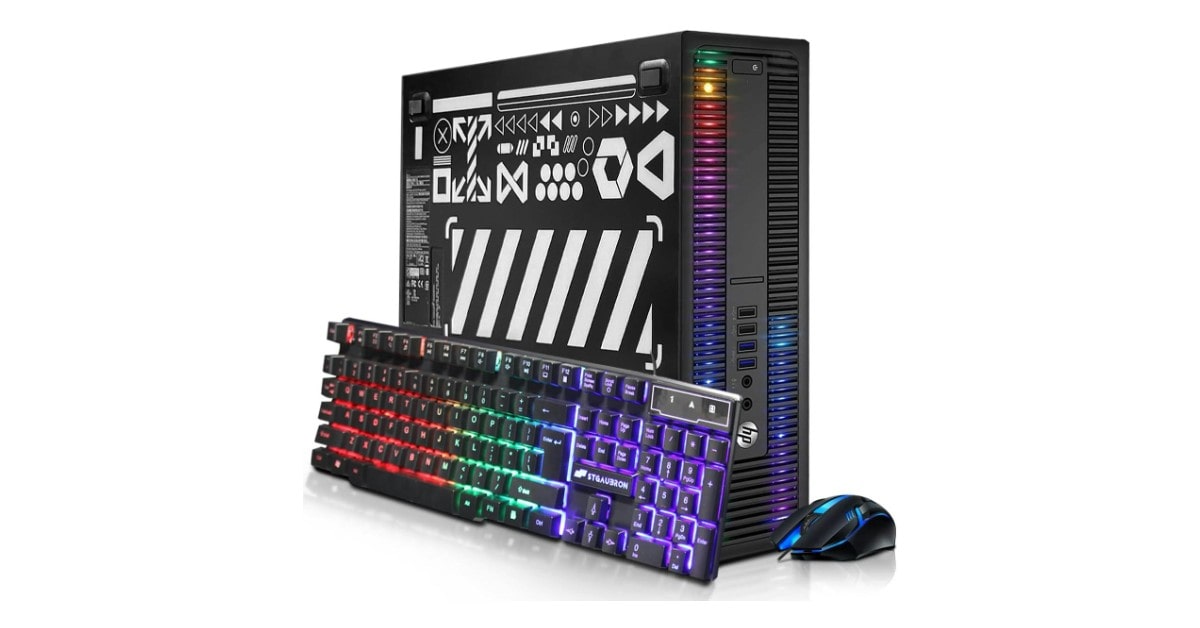
Refurbished Business PCs: Often, the best prebuilt options under $500 are refurbished office desktops (Dell OptiPlex, HP ProDesk, Lenovo ThinkCentre) that have been upgraded for gaming. These typically come with an Intel i5 or i7 CPU (e.g., 4th-7th gen), 8-16GB RAM, and a small SSD, with an added low-profile GPU like a GTX 1050 Ti or RX 6400. While not powerful, they offer excellent value for light gaming and daily tasks.
DIY/Small Builder Prebuilts: Sometimes, smaller, local PC shops or online boutique builders might offer budget prebuilts using a mix of new and used components. Always scrutinize their component lists and look for independent reviews. These can occasionally offer better specs than a large manufacturer's entry-level new machine.
Major Retailer Sales (Rare): Very occasionally, during massive sales events, a major retailer might put an entry-level gaming PC on a steep discount that brings it near the $500 mark. These are rare and usually feature entry-level components that might struggle with anything beyond esports. They often represent clearing old stock.
What to Avoid: Be extremely wary of generic, unknown brands advertising "gaming PCs" for suspiciously low prices. These often feature outdated CPUs, integrated graphics, minimal RAM, and slow HDDs, providing a frustrating experience. Always check the full specifications.
For most gamers seeking a "gaming desktop under 500," building a PC from carefully selected used parts or buying a professionally refurbished unit will typically offer superior performance for the money compared to a new prebuilt in this budget range. This approach gives you more control over component quality and future upgrade potential.
Navigating the world of budget PC gaming, especially when looking for a "gaming desktop under 500," might seem daunting, but as we've explored, it's a completely viable path for the discerning gamer in 2026. Whether you're a parent sneaking in a few hours after the kids are asleep or a professional de-stressing with friends online, the core message remains: smart choices, realistic expectations, and strategic upgrades empower you to enjoy your passion without financial strain. By prioritizing key components, hunting for value in the used and refurbished markets, and optimizing your settings, you can absolutely build or buy a machine that delivers solid 1080p performance for a wide array of engaging titles.
Remember, gaming is about the experience – the challenge, the escape, the social connection. Your budget shouldn't prevent you from being part of that vibrant community. Embrace the journey of optimizing your setup and finding those perfect games that fit your hardware and your life. What's your biggest gaming challenge when balancing life and budget? Share your thoughts and tips in the comments below!
What is the minimum CPU for a $500 gaming desktop?
For a gaming desktop under 500, aim for at least an Intel i5 (4th-9th gen) or an AMD Ryzen 3/5 (1st-3rd gen). These provide sufficient processing power for most games, especially when paired with a competent GPU.
Can I run dual monitors on a budget gaming PC?
Yes, most dedicated GPUs, even budget ones, support dual monitors. You can typically run one monitor for gaming and another for Discord or web browsing without significantly impacting game performance, depending on the tasks running on the second screen.
Is an integrated graphics card enough for gaming under $500?
For "gaming desktop under 500", integrated graphics (like AMD's Ryzen APUs, e.g., 5600G) can be enough for light esports and older titles at lower settings. For anything more demanding, a dedicated GPU, even an older one, offers superior performance.
How much RAM do I need for a gaming desktop under 500?
8GB of DDR4 RAM is the minimum, but 16GB is highly recommended for a smoother experience on a "gaming desktop under 500". This ensures better multitasking and fewer stutters in modern games.
Should I overclock components in my budget gaming PC?
Overclocking your CPU or GPU on a "gaming desktop under 500" can provide a small performance boost, but it should be approached with caution. Ensure good cooling and understand the risks. For most budget gamers, optimizing settings is safer and often more impactful.
What's the difference between a gaming desktop and a regular desktop under $500?
The primary difference is the dedicated graphics card. A "gaming desktop under 500" will prioritize a GPU for rendering games, while a regular desktop focuses on general productivity with basic or integrated graphics. Gaming PCs also tend to have better cooling and faster storage.
Budget gaming desktop under 500 dollars is achievable. Learn essential components for value. Discover smart shopping strategies. Understand upgrade paths for future proofing. Balance performance and cost effectively. Practical solutions for common gamer pain points.
35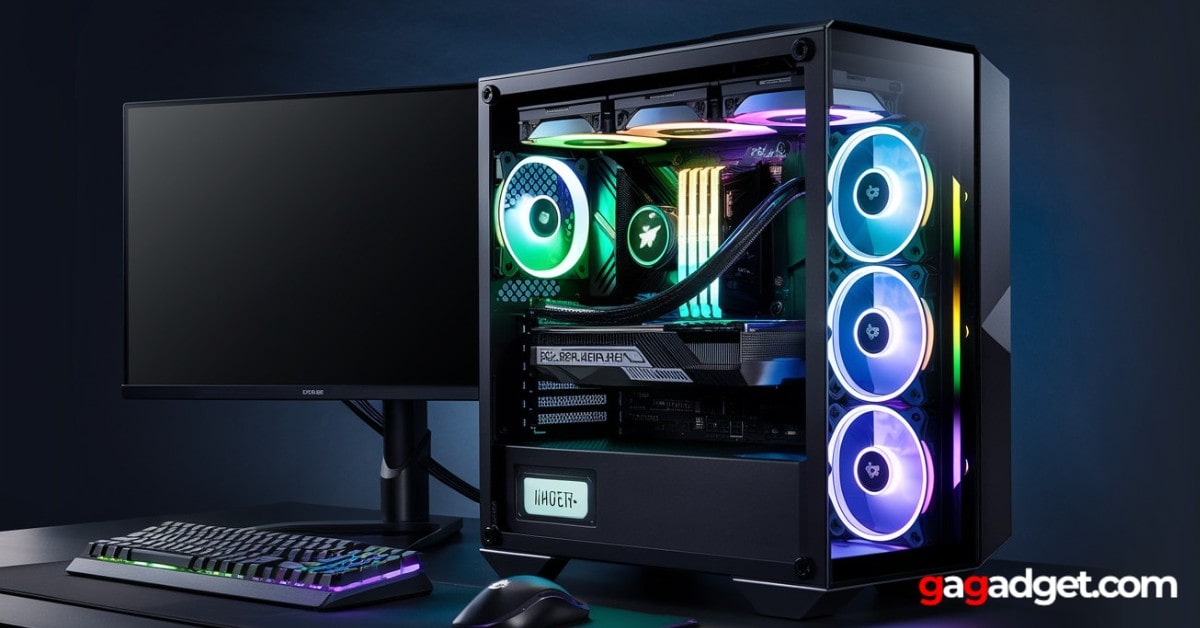
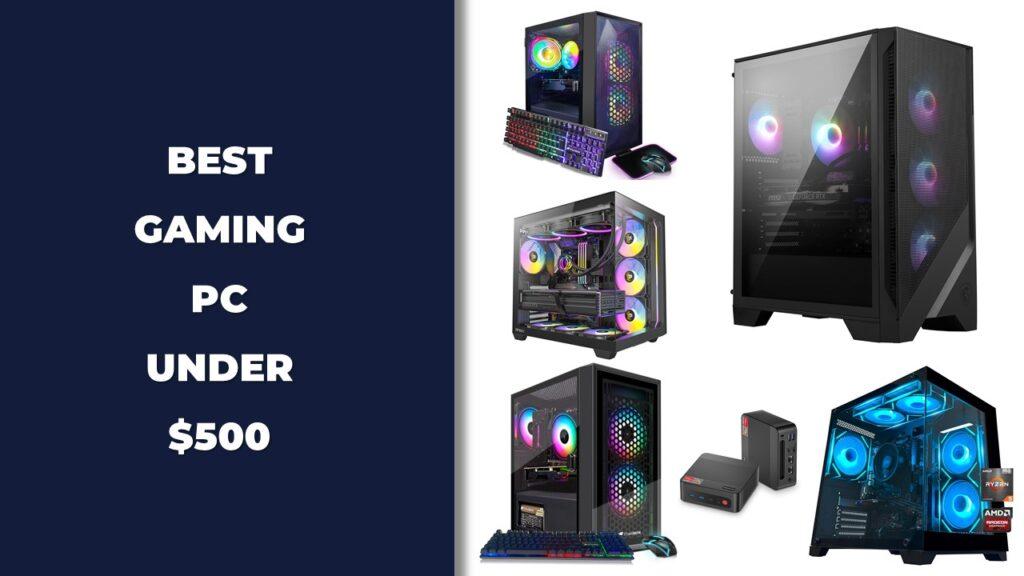
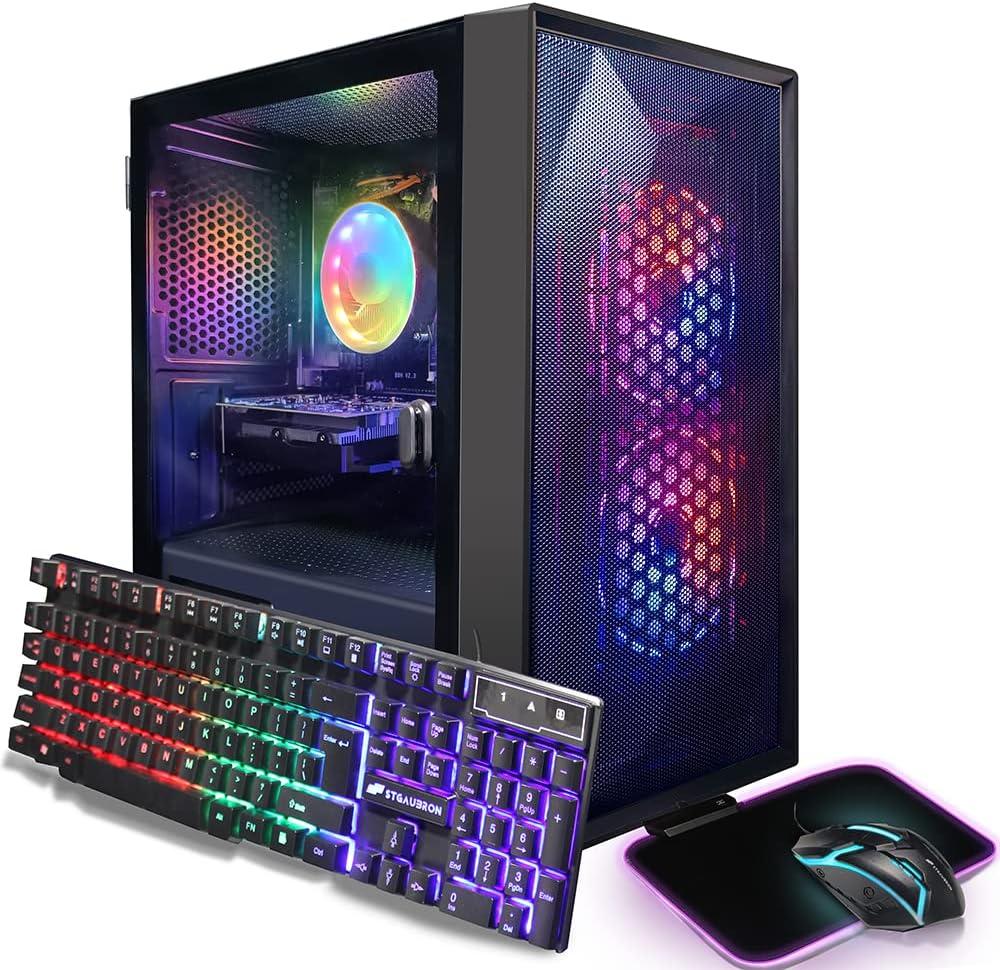
5 Best Gaming PCs Under 500 In 2026 Comparison And Review Best Gaming Pc Under 500 Min . 12 Best All In One Desktop Computers In 2026 Tested Reviewed Slide11 1024x576 . 5 Best Gaming PCs Under 500 In 2026 Comparison And Review Best Gaming Pc Under 500 1 Min . 12 Best Gaming PC Under 500 In 2026 Tested Reviewed STGAubron Prebuilt Gaming PC Desktop Radeon RX 550 . 5 Best Gaming PCs Under 500 In 2026 Tested Ranked Best Gaming Pcs Under 500.webp

Best Gaming PCs Under 500 In 2026 Affordable Performers Best Gaming Pc Under 500 1024x574 . 12 Best Gaming PC Under 500 In 2026 Tested Reviewed Best Gaming PC 2 768x432 . 10 Best Budget Gaming Setup Bundles Under 500 May 2026 Best Budget Gaming Setup Bundles Under 500 1024x559 . The 12 Best Business Desktop Computers Under 500 In 2026 Tested Slide2 . 12 Best Gaming PC Under 500 In 2026 Tested Reviewed STGAubron RGB PC Computer Desktop AMD Ryzen 7 5700G 768x879

Best Gaming Desktop PC Under 500 In 2026 Gaming PC Guru 711RnSkT92L . 10 Best Budget Gaming Setup Bundles Under 500 March 2026 Complete Guide Best Budget Gaming Setup Bundles Under 500 1024x559 . 12 Best Gaming PC Under 500 In 2026 Tested Reviewed STGAubron Gaming PC Computer Desktop Radeon RX 560 292x300 . 5 Best Gaming PCs Under 500 In 2026 Tested Ranked Mxz Desktop 600x613 . 8 Best Mini Gaming PCs Under 500 April 2026 Complete Guide Best Mini Gaming PCs Under 500 1024x683

12 Best Gaming PC Under 500 In 2026 Tested Reviewed LXZ Desktop Computer R5 5600G 935x1024 . 5 Best Gaming PCs Under 500 In 2026 Comparison And Review. 5 Best Gaming PCs Under 500 In 2026 Comparison And Review Dell Gaming OptiPlex Desktop RGB Computer PC 1 Min . 12 Best Gaming PC Under 500 In 2026 Tested Reviewed Slide10 1024x576 . 10 Best Desktop Computers Under 500 March 2026 Complete Guide 615GgRUHJjL

Best Gaming Desktop PC Under 500 In 2026 Gaming PC Guru 71XMin EmqL . Best Budget Gaming PC Build Under 500 Update 05 2026 Best Gaming Pc Under 500 Img . 5 Best Gaming PCs Under 500 In 2026 Comparison And Review Dell Gaming OptiPlex Desktop RGB Computer PC 2 Min . Best Budget Gaming PC Under 00 2026 Featured Budget Gaming Pc . 12 Best Gaming PC Under 500 In 2026 Tested Reviewed YAWYORE Gaming PC Desktop Computer AMD Ryzen 5 300x293

5 Best Gaming PCs Under 500 In 2026 Comparison And Review. 5 Best Gaming PCs Under 500 In 2026 Tested Ranked Stgaubron 600x495 . Best Gaming PC Under 500 Our Top Picks For Budget Gamers TechLatest Alarco Gaming PC Desktop Computer 1200x675 . 12 Best Gaming PC Under 500 In 2026 Tested Reviewed LXZ Desktop PC Computer Ryzen 5 5600GT 271x300 . 12 Best Gaming PC Under 500 In 2026 Tested Reviewed Slide13 1024x576

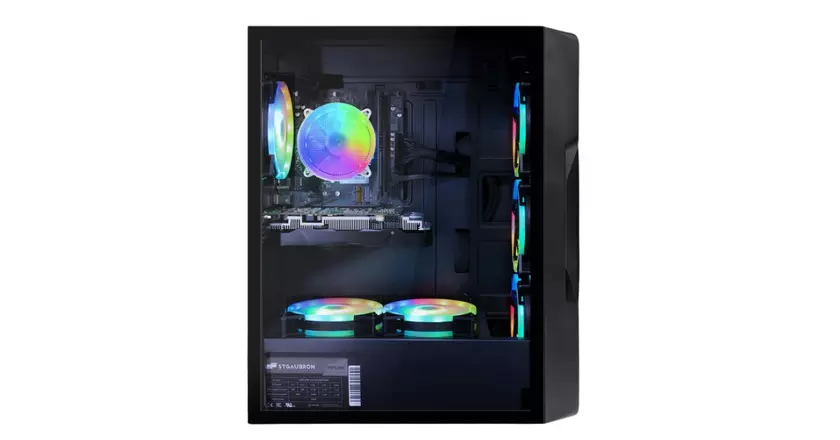
5 Best Gaming PCs Under 500 In 2026 Comparison And Review. Best Prebuilt Gaming PC Under 500 February 2026 Prebuilt Gaming Pc Under 500 2048x1152 . 5 Best Gaming PCs Under 500 In 2026 Comparison And Review HP RGB 6500 Gaming Desktop Computer Min . 5 Best Gaming PCs Under 500 In 2026 Comparison And Review. 5 Best Gaming PCs Under 500 In 2026 Comparison And Review