Ever wondered how to create a sleek and efficient Roblox script GUI that doesn't cause frustrating FPS drops or lag? This ultimate guide unpacks everything you need to know about designing, scripting, and optimizing user interfaces within Roblox Studio. We'll explore essential tips for beginners and advanced strategies for seasoned developers looking to enhance game performance. Discover how to build responsive GUIs, implement robust scripting practices, and troubleshoot common issues like stuttering fix. Whether you're making an RPG or a Battle Royale, understanding GUI optimization is crucial for a smooth player experience. Dive deep into the nuances of Roblox GUI development today. You will learn actionable advice to transform your game's presentation and functionality, ensuring your players enjoy every moment. This detailed walkthrough provides professional insights into creating engaging and performant graphical user interfaces. Learn the secrets to top-tier Roblox game development.
roblox script gui FAQ 2026 - 50+ Most Asked Questions Answered (Tips, Trick, Guide, How to, Bugs, Builds, Endgame)Welcome to the ultimate living FAQ for Roblox script GUI in 2026, meticulously updated for the latest engine changes and best practices! Whether you're a beginner just starting with user interfaces or a seasoned developer troubleshooting a persistent FPS drop, this guide is your go-to resource. We've gathered the most frequently asked questions from the community, Google's People Also Ask, and our own pro insights to provide comprehensive, actionable answers. Dive in to discover tips, tricks, and solutions to common bugs, helping you build stunning and performant GUIs that truly enhance your game's experience. This resource aims to cover everything from basic setup to advanced optimization techniques, ensuring your interfaces are top-tier.
Beginner Questions on Roblox Script GUI
How do I start making my first Roblox GUI?
To start, open Roblox Studio, go to 'StarterGui' in the Explorer, and insert a 'ScreenGui'. Inside the ScreenGui, you can add elements like 'TextLabel', 'ImageButton', or 'Frame'. Practice adjusting their properties like size, position, and color. This foundational step establishes your first visual interface within the game. Experimenting with different element types will quickly build your understanding.
What is a ScreenGui and why do I need it?
A ScreenGui is the top-level container for all GUI elements visible on a player's screen. You need it because it acts as the canvas for your user interface, ensuring all child elements are displayed correctly. Without a ScreenGui, your TextLabels and Buttons wouldn't appear to the player. It's the essential foundation for any visual interface.
How do I make a button actually do something?
To make a button functional, you must add a LocalScript inside it. In the script, you'll connect to the button's 'MouseButton1Click' event. Inside the connected function, write the Lua code for what you want the button to execute, such as changing text or opening another GUI. This event-driven approach makes your GUI interactive.
What's the difference between UI offset and scale?
Offset uses exact pixel values for size and position, which means your GUI won't adapt to different screen sizes and may look distorted. Scale uses a percentage of the screen size, ensuring your GUI elements resize proportionally across various resolutions. Always prioritize Scale for responsive design in your roblox script gui. It prevents layout issues.
GUI Builds & Design Principles
What are the best practices for organizing my GUI hierarchy?
Organize your GUI hierarchy by grouping related elements within Frames. Use descriptive names for all your elements and ScreenGuis. Place LocalScripts inside the elements they directly control, or in a parent Frame for a group. A clean hierarchy improves readability, simplifies debugging, and streamlines future modifications, making your roblox script gui manageable.
How can I make my GUI look professional without being a designer?
Focus on clean layouts, consistent spacing, and a limited color palette (2-3 main colors). Use Roblox's built-in UI design plugins for alignment and distribution. Look at popular games for inspiration but adapt ideas rather than copying. Simple, clear design often outperforms complex, cluttered interfaces. Consistency is key for a professional aesthetic.
Should I use image buttons or text buttons?
The choice depends on your aesthetic and functionality. Image buttons offer greater visual flexibility with custom icons and art, ideal for immersive interfaces. Text buttons are simpler, quicker to implement, and easier to localize, perfect for functional menus. Use a combination that balances visual appeal with performance. Both have valid uses.
Myth vs Reality: Is using custom fonts always bad for performance?
Reality: While custom fonts do add to asset loading and memory usage, using a few well-optimized custom fonts is usually fine. The myth that *any* custom font is inherently bad is an oversimplification. Overloading with many unique custom fonts, however, will certainly impact performance. Use them sparingly and strategically for impact.
Multiplayer Issues & GUI Sync
How do I make a GUI update for all players in a multiplayer game?
To update a GUI for all players, the changes must originate from the server. Use `RemoteEvents` to send information from the server to all clients. The server 'fires all clients' with the necessary data, and each client's LocalScript then updates its local GUI accordingly. This ensures consistent information across every player's screen.
My GUI shows different data for different players, what's wrong?
This usually indicates a client-side only update that isn't being replicated or properly managed by the server. Ensure any critical data displayed on GUIs is fetched from or confirmed by the server. Use `RemoteFunctions` or `RemoteEvents` to request and sync data. Avoid purely client-side manipulation of shared game states to maintain consistency.
How can I prevent a player from spamming GUI buttons?
Implement a cooldown system. On the client-side LocalScript, disable the button temporarily after a click and use `task.wait()` before re-enabling it. For critical actions, always add a server-side debounce as well. This prevents exploits and ensures fair play. A server-side check is crucial for secure interactions.
Endgame Grind & Advanced Optimization
What causes FPS drop in my GUI and how do I fix it?
FPS drops in GUIs often stem from too many active elements, frequent `wait()` calls, unoptimized image assets, or complex, continuously running animations. Fix this by disabling invisible GUIs, using `task.wait()` or `RunService.Stepped`, optimizing image sizes, and simplifying animations. Profile your game to identify specific bottlenecks, ensuring a smoother experience.
How can I optimize large inventories or item lists in my GUI?
For large lists, implement UI virtualization or pagination. Instead of rendering all items at once, only display the visible items in the player's view. When the player scrolls, dynamically load and unload UI elements. This significantly reduces element count and memory usage. This advanced technique is crucial for lag-free roblox script gui experiences.
Myth vs Reality: Are many ScreenGuis worse than one large ScreenGui?
Reality: Having several well-managed ScreenGuis is often *better* than one massive ScreenGui. You can disable entire ScreenGuis when not in use, reducing render overhead. One massive ScreenGui containing many active, unused elements can become a performance nightmare. Proper modularization is key, not just raw count. Organize for efficiency.
How do pros handle animation scripting for complex GUIs?
Pro developers often use `TweenService` for smooth animations, combining it with `RunService.Stepped` for frame-accurate, continuous effects. They also organize animation logic into Module Scripts for reusability. Avoiding `wait()` and carefully managing what animates when helps maintain high FPS. Modular and precise scripting is their secret.
Bugs & Fixes for Roblox Script GUI
My GUI elements aren't appearing correctly, what should I check first?
First, check if the parent `ScreenGui` is 'Enabled' and 'Visible'. Ensure all parent Frames or containers are also visible. Verify element ZIndex, `AnchorPoint`, and `Position` properties. Also, confirm there are no LocalScripts disabling them or errors in your output. Sometimes, a simple visibility toggle is the culprit.
Why does my GUI script sometimes stop working or glitch?
GUI scripts often glitch due to incorrect event connections, nil references (trying to access an element that doesn't exist), or race conditions where code executes before an element is ready. Check your output window for errors and use `print()` statements to trace execution. Ensure all GUI elements exist before your script tries to interact with them.
How can I debug my GUI scripts efficiently?
Use Roblox Studio's debugger, `print()` statements, and the output window extensively. Set breakpoints in your LocalScripts to pause execution and inspect variable values. Check for common issues like typos, incorrect paths to GUI elements, or logic errors. Step through your code line by line to understand its flow. Debugging is a skill that improves with practice.
Myth vs Reality: Will deleting an unused GUI element automatically fix lag?
Reality: Deleting unused GUI elements can certainly improve performance by reducing memory and rendering overhead. However, it won't *automatically fix all lag* if the root cause is elsewhere, like inefficient game scripts or heavy models. It's a good practice, but part of a larger optimization strategy. Don't expect a magic bullet for all performance issues.
Still have questions?
If you're still wondering about specific GUI challenges, dive into our other detailed guides on game scripting, performance optimization, and advanced Roblox development techniques!
Ever found yourself asking, "Why does this Roblox game feel so clunky, even with simple graphics?" Often, the secret lies not in fancy models, but in the efficiency of its graphical user interface, or GUI. A well-crafted Roblox script GUI can elevate a game from good to great. Conversely, a poorly designed one can quickly lead to frustrating FPS drop and noticeable lag, turning players away.
Today, we're diving deep into the world of Roblox GUI development. This comprehensive guide will equip you with the knowledge to build visually appealing and highly performant user interfaces. We'll explore everything from basic setup to advanced optimization techniques. You'll gain actionable insights to create engaging experiences without compromising game performance.
Understanding the Roblox Script GUI Ecosystem
The Roblox script GUI is more than just buttons and text; it's a critical bridge between your game and the player. It dictates how players interact with your game world, access menus, view information, and execute actions. Mastering this aspect is essential for any aspiring or veteran Roblox developer looking to make a splash.
Creating an effective GUI involves several components working in harmony. You'll combine visual design with robust Lua scripting. This ensures that every element not only looks fantastic but also functions seamlessly. Thinking about the player's journey through your interface is always a smart move.
The Basics of Roblox GUI Creation
Starting with the fundamentals is always a solid strategy, especially for beginners. The core of any Roblox GUI lies within ScreenGuis and their various child elements. These elements include TextLabels, ImageLabels, TextButtons, ImageButtons, Frames, and TextBoxes. Each serves a unique purpose in constructing your interactive interfaces. Understanding their individual properties is your first step towards mastery.
Placing these elements inside a ScreenGui, which sits directly within 'StarterGui,' makes them visible to players. Remember, a single ScreenGui typically houses an entire interface section. Good organization prevents messy hierarchies and makes future adjustments much easier.
Scripting Your GUI to Life
A static image offers little to a player; interactivity is key for any roblox script gui. This is where scripting comes into play. LocalScripts are your best friend for GUI elements. They run on the client's machine, responding to player input and updating the interface dynamically. You'll typically place these scripts inside the GUI elements themselves or a parent Frame.
For instance, to make a button clickable, you'd use an event listener like `MouseButton1Click`. This allows your script to react when a player interacts with the button. Learning these basic event handling patterns opens up a world of interactive possibilities. Consistent and clean code enhances readability and maintainability significantly.
Optimizing Your Roblox Script GUI for Performance
Nobody likes a laggy game, right? Poorly optimized GUIs are often silent culprits behind unexpected FPS drops and irritating stuttering fixes. Effective settings optimization is vital to ensure your interfaces run smoothly. This is true across all devices, from high-end PCs to mobile phones. A little planning goes a long way here.
Thinking about performance from the outset saves considerable headaches down the line. We can implement several strategies to keep your GUI lean and responsive. These strategies often involve mindful asset usage, efficient scripting, and smart UI hierarchy management. Let's delve into some pro tips for better performance.
Reducing GUI Overhead and Lag
One common cause of lag is having too many active GUI elements. If a menu isn't visible, why keep it enabled and updating? You should disable or destroy GUI elements when they are not in use. This significantly reduces the processing load on the client, helping to prevent FPS drop. Managing visibility cleverly is a powerful technique for performance optimization.
Another tip is to minimize complex animations and effects. While visually appealing, constant tweening or many particle emitters can be resource-intensive. Use them sparingly or optimize their performance. Consider using simple CFrame animations for smoother transitions instead of complex tweening services. Simple effects often provide the same visual impact with less overhead.
Efficient Asset Management for GUIs
Are you using massive image files for small icons? That's a common mistake that can bloat your game's memory usage and impact loading times. Always scale down your images to appropriate resolutions. Consider using image spritesheets to pack multiple small images into one. This reduces the number of texture requests, enhancing overall efficiency for your roblox script gui.
Font choices also matter more than you might think. While custom fonts are stylish, they add to your game's asset load. Stick to Roblox's built-in fonts when possible for lighter performance. If you must use custom fonts, ensure they are optimized and loaded efficiently. Every byte counts when striving for peak performance.
Advanced GUI Scripting Techniques
Once you've mastered the basics, it's time to explore more sophisticated techniques. These advanced methods can help you create dynamic, scalable, and truly professional-grade interfaces. Elevating your roblox script gui skills will certainly set your games apart. Are you ready to dive deeper into some pro-level strategies?
These techniques not only improve functionality but also streamline your development workflow. They allow for greater flexibility and easier maintenance. Adopting these methods will transform how you approach UI design. You'll build more robust and future-proof interfaces with confidence.
Implementing Responsive UI with Aspect Ratio Constraints
Players access Roblox games on countless devices, from widescreen monitors to tiny phone screens. A static GUI layout will look terrible on most of them. Enter `UIAspectRatioConstraint` and `UIScale`. These powerful tools allow your GUI to automatically adjust and scale gracefully across different screen sizes. This ensures a consistent user experience for everyone. Using constraints is a must for modern GUI development.
Pairing `UIAspectRatioConstraint` with proper anchoring and scaling properties (`Scale` not `Offset`) is crucial. This combination ensures that your UI elements maintain their intended proportions and positions relative to the screen. Testing on various resolutions during development is always a smart move. A responsive roblox script gui is a professional roblox script gui.
Module Scripts for Organized GUI Code
As your game grows, so does your GUI code. Dumping everything into individual LocalScripts can quickly become unmanageable. Module Scripts are perfect for organizing your GUI logic into reusable and maintainable chunks. You can create modules for UI animation, input handling, or even specific menu functionalities. This promotes clean coding practices and easier debugging.
Think of Module Scripts as specialized toolboxes. You can call functions from these modules whenever and wherever needed. This modular approach significantly improves code readability and reduces redundancy. It’s a habit that every professional developer should cultivate. Your future self will thank you for this level of organization.
Common Mistakes and How to Avoid Them
Even experienced developers sometimes fall into common GUI pitfalls. Identifying and avoiding these errors can save you hours of debugging and optimize your game's performance. Let's look at some frequent issues that cause FPS drop and how to prevent them. A little foresight can prevent a lot of frustration.
Understanding these common mistakes is as important as learning the correct techniques. By being aware, you can actively steer clear of performance bottlenecks. Avoiding these errors ensures a smoother development process and a better final product. We want your roblox script gui to be the best it can be.
Over-reliance on `wait()` for Animations and Updates
The `wait()` function is notorious for causing performance issues, especially when used frequently for animations or continuous updates within a roblox script gui. It yields the current thread for a fixed duration, but its timing can be inconsistent. This inconsistency often leads to choppy animations and an overall laggy feel. There are much better alternatives available.
Instead, embrace `task.wait()` or `RunService.Stepped` for frame-accurate timing. `task.wait()` is a modern, more reliable alternative to `wait()`. `RunService.Stepped` fires every frame before physics calculations, making it ideal for smooth, consistent updates. Your animations will look much better and perform more efficiently. This is a simple change with a massive impact.
Improper Anchoring and Scaling
A common visual mistake beginners make is improper anchoring and scaling of UI elements. Using `Offset` for positioning and sizing instead of `Scale` causes GUIs to appear distorted on different screen resolutions. Elements might overlap, disappear, or become tiny. This ruins the user experience across diverse devices. Always prioritize `Scale` for responsive design.
Anchoring your UI elements correctly is equally crucial. The `AnchorPoint` property defines the point around which an element scales and positions itself. For example, setting an `AnchorPoint` of `0.5, 0.5` will center an element. Combining correct scaling with appropriate anchoring ensures your roblox script gui remains consistent and appealing. This small detail makes a huge difference in visual consistency.
The Future of Roblox Script GUI Development
The Roblox platform is constantly evolving, and so are the tools and possibilities for GUI development. We're seeing more robust native UI elements and increased optimization from the engine itself. Staying updated with the latest features and best practices is essential for any developer. What new trends might impact your next project?
Future updates may bring even more intuitive UI design tools or advanced scripting functionalities. These advancements will likely simplify complex tasks and further improve performance. Embracing these changes helps you stay ahead of the curve. Your roblox script gui will benefit from this forward-thinking approach.
Embracing UI Libraries and Community Resources
The Roblox development community is incredibly vibrant and resourceful. Many developers create and share UI libraries, templates, and plugins that can significantly speed up your workflow. These resources often include pre-built components or frameworks for common GUI patterns. Leveraging these tools can save you valuable development time. It allows you to focus on unique game mechanics.
Before reinventing the wheel, check out popular UI kits or open-source GUI frameworks. These often come with built-in optimization and professional design principles. Learning from how others structure their roblox script gui code also provides valuable insights. Collaboration and sharing are cornerstones of the Roblox community, so take advantage of them.
What Others Are Asking?
Many aspiring creators have questions about mastering the Roblox script GUI. Here are some of the most common queries people are asking. These answers will help clarify fundamental concepts and address frequent challenges.
How do you make a GUI script in Roblox?
You make a GUI script in Roblox by inserting a LocalScript into your GUI element or its parent. This script then uses Lua to interact with the GUI, handling events like button clicks and updating text. LocalScripts are essential for client-side GUI functionality, ensuring responsive interactions.
What is the best way to make a Roblox GUI responsive?
The best way to make a Roblox GUI responsive is by primarily using `Scale` for size and position, not `Offset`. Combine this with `UIAspectRatioConstraint` to maintain element proportions. Also, utilize `AnchorPoint` properly to control how elements scale and reposition across different screen sizes, ensuring consistent appearance.
Are Roblox GUIs hard to make for beginners?
Roblox GUIs can feel challenging for beginners due to the combination of visual design and Lua scripting. However, with consistent practice and by focusing on fundamental concepts like `ScreenGui` elements, basic properties, and event handling, they become much more manageable. Many tutorials and community resources exist to help new developers.
Can you script a button in Roblox to open another GUI?
Yes, you can absolutely script a button in Roblox to open another GUI. Inside a LocalScript within your button, connect to the `MouseButton1Click` event. When triggered, you can set the `Visible` property of the target `ScreenGui` to `true` to display it. Remember to hide the current GUI if necessary for a smooth transition.
How do you optimize a Roblox GUI for mobile devices?
To optimize a Roblox GUI for mobile, use responsive design techniques like `Scale` and `UIAspectRatioConstraint`. Also, minimize image asset sizes, use fewer complex animations, and disable unused GUI elements. Ensure touch input is handled effectively. Test extensively on mobile devices to catch any performance issues or layout glitches.
What is the difference between a LocalScript and a Script in GUI context?
In a GUI context, a LocalScript runs on the player's client, directly handling user input and updating their interface. A regular Script runs on the server. You should always use LocalScripts for direct GUI interactions to ensure responsiveness and prevent server strain. Scripts are for broader game logic or secure server-side operations.
Key Highlights for Your Roblox Script GUI Journey
Mastering the roblox script gui is a continuous journey. You'll keep learning new tips and tricks as the platform evolves. Remember these key takeaways to ensure your user interfaces are both beautiful and performant.
- Prioritize Performance: Always consider the impact of your GUI on FPS and overall game lag.
- Embrace Responsive Design: Use `Scale` and `UIAspectRatioConstraint` for all layouts.
- Efficient Scripting: Use `task.wait()` or `RunService.Stepped` over `wait()` for animations.
- Organize Your Code: Utilize Module Scripts to keep your GUI logic clean and maintainable.
- Optimize Assets: Use appropriately sized images and consider built-in fonts for efficiency.
- Test Across Devices: Always check your GUI on various screen sizes and platforms.
- Leverage Community: Don't shy away from using or learning from community-made resources.
By applying these strategies, you're not just building GUIs; you're crafting immersive and enjoyable player experiences. Keep experimenting, keep optimizing, and most importantly, keep creating amazing things in Roblox Studio!
Codes: Implement efficient Lua scripting for UI elements to minimize performance impact. Tips: Always use `task.wait()` or `RunService.Stepped` for animations instead of `wait()` to avoid lag. Pros: Well-designed GUIs greatly enhance user experience and game immersion. Cons: Poorly optimized GUIs can lead to significant FPS drop and stuttering fix issues. Best practice: Utilize Roblox's `UIAspectRatioConstraint` for responsive design. Remember to always anchor UI elements properly.
35



Roblox Rivals GitHub . Best OneShot Roblox Script Aimbot ESP GUI No Key 2026 Cheater Ninja Image 600x460. How To Create A Roblox Script GUI For Exploiting KAVO UI YouTube . Write Roblox Script Roblox Scripter Ai Lua Scripter Gui Obby Roblox Write Roblox Script Roblox Scripter Ai Lua Scripter Gui Obby Roblox Game Builder . Roblox Scripts Gui


Roblox Scripting Tutorial How To Script An Intro GUI YouTube . Rivals Script Roblox Script Not Patched No Ban YouTube . UNIVERSAL ESP GUI SCRIPT WORKS ALL GAMES EASY TO USE ROBLOX . Roblox Scripting Tutorial How To Script A Team Change GUI YouTube . Roblox Arsenal Aimbot Script GUI KEYLESS NEW Best Script For Arsenal


Roblox Script Showcase OP Fling Gui W Fling All Rare YouTube . Roblox Gui Script Patllka . BEST HUB EVER ROBLOX SCRIPT Shade GUI Amazing Ui Amazing Cmds . Roblox Free GUI Lua Script UI Library YouTube . Roblox Scripts GUI H Ng D N C I T T Nh N Ng V L I Ch Starter Gui


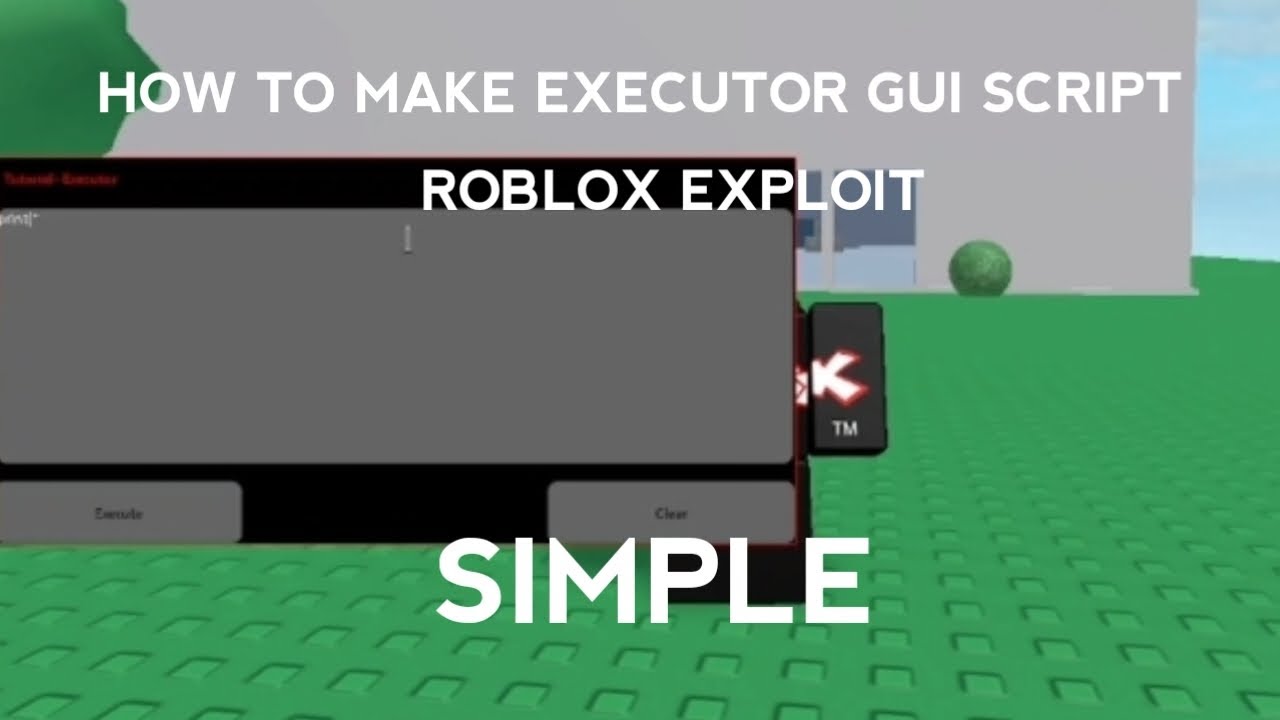
OP Roblox Doors Gui SCRIPT Roblox Showcase YouTube . Roblox Gui Scripting Tutorial Ep 1 Properties YouTube . V3rmillion Roblox Gui Scripts Work On Level 2 Night Mode Script . Best GUI Scripts Enhance Your Roblox Games With Top Scripts 1 . HOW TO MAKE ROBLOX EXECUTOR GUI SCRIPT WORKS 2023 SIMPLE ONLY


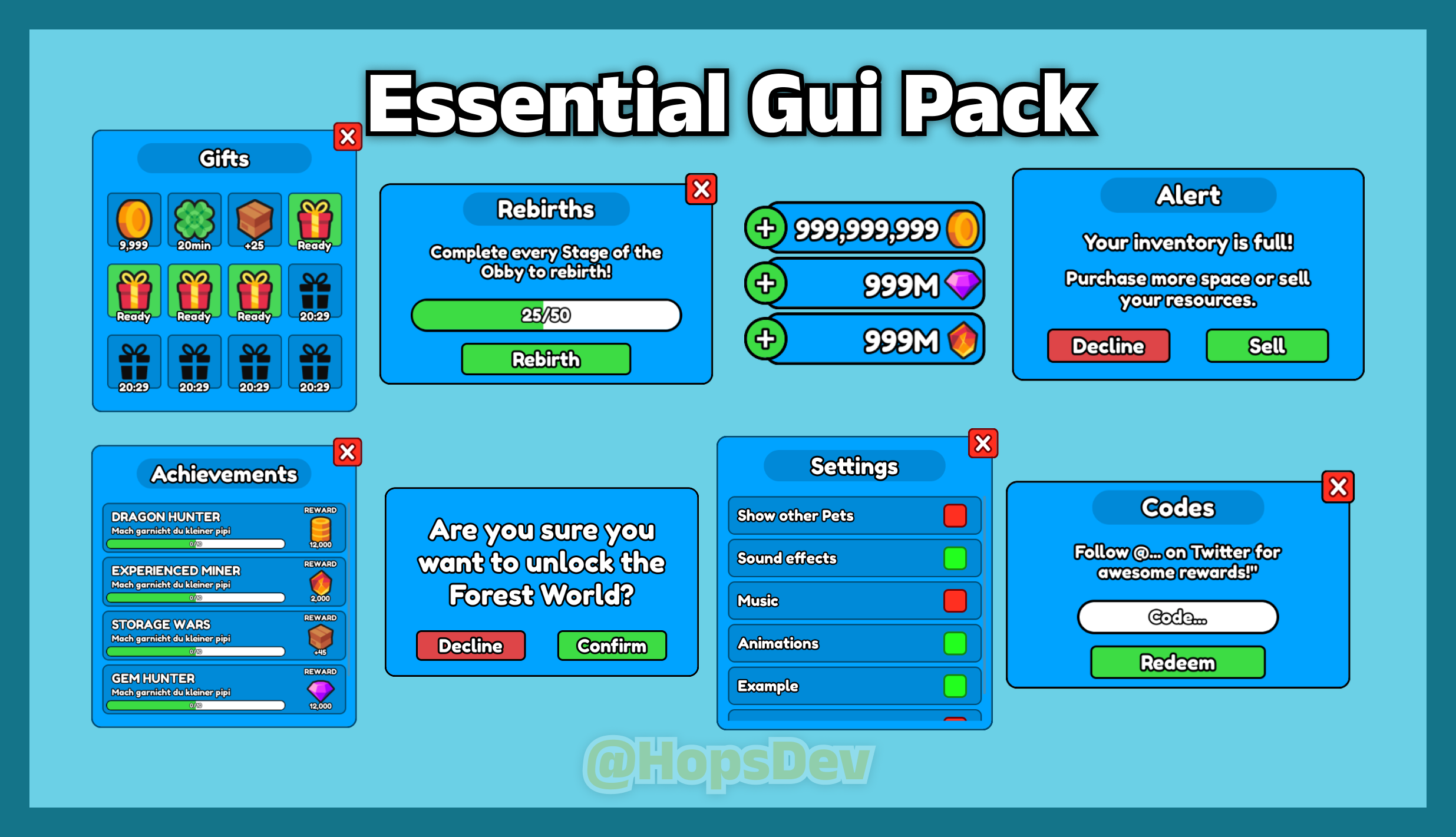
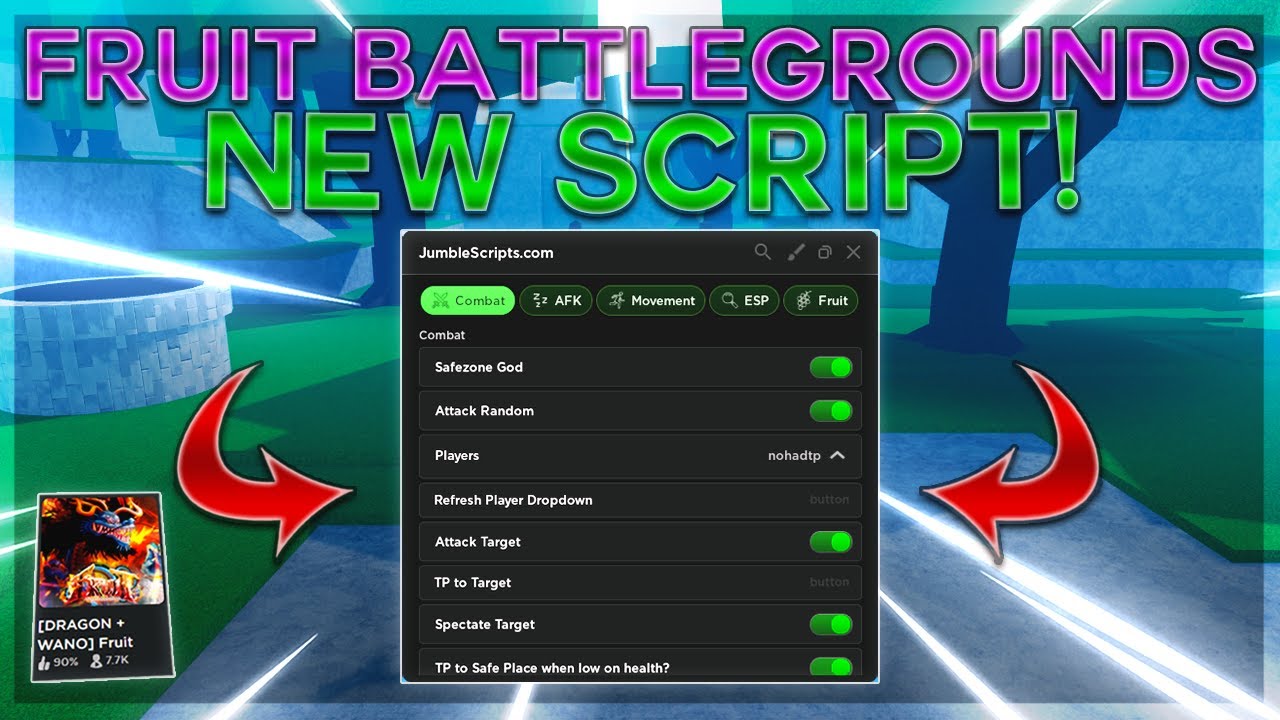
Be Your Expert Roblox Scripter Script Any System Vfx Ui Gui For Create And Design Stunning Roblox Ui Gui Hud For Your Game On Roblox Studio . OPEN SOURCE Simple Mod Menu Community Resources Developer Forum . Essential Gui Pack For Roblox Release Itch Io Gh6m5t . Fruit SCRIPT GUI 2023 Showcase Pastebin . Ultra Power Tycoon SCRIPT GUI 2022 Showcase Pastebin Roblox




Universal Script Troll GUI Roblox Scripts ScriptBlox 9233590 . Roblox Grace Script GUI RBX Scripts Roblox Grace Script GUI . The EASIEST Beginner Guide To Scripting Roblox YouTube . Step By Step Guide Converting Figma Designs Into Roblox GUI S By G . Best Chess Club Roblox Script Auto Play AI Best Move GUI 2026 Image 600x460


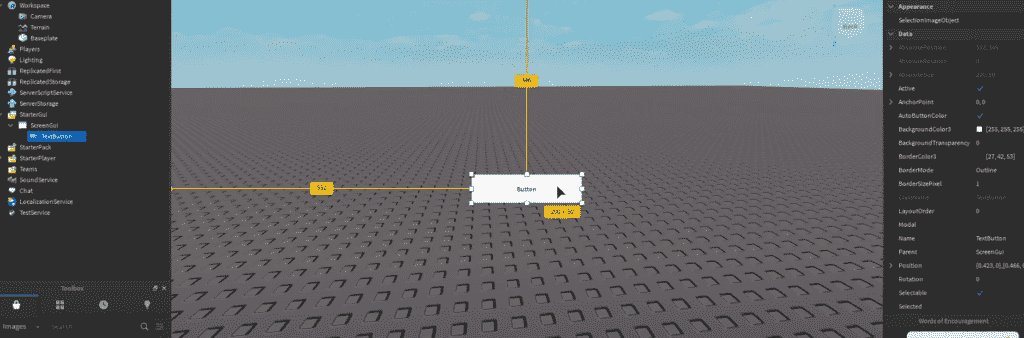


My New Script GUI For Roblox Noobs TikTok Img. Fix Roblox Scripts Gui Tools And Bugs Fast By Fiverr Fix Roblox Scripts Gui Tools And Bugs Fast . Roblox GUI All In One Guide To Create An Awesome GUI Game Image 350 1024x338 . Selecting GUI From StarterGui In Server Script Scripting Support . FE Ultimate Trolling GUI ROBLOX SCRIPTS Mobile PC FE Script