Finding the best gaming desk is crucial for any serious gamer balancing life work and epic adventures You spend countless hours immersed in virtual worlds so your setup needs to support both comfort and peak performance This comprehensive guide dives deep into what makes a gaming desk truly stand out from ergonomic features that prevent fatigue during marathon sessions to smart cable management solutions that keep your space clutter-free We explore various styles sizes and functionalities including sit stand options for health conscious players and budget friendly choices that dont compromise on quality Discover how the right desk can transform your gaming experience improving posture optimizing peripheral placement and even enhancing your stream setup This article cuts through the hype offering practical advice to help you choose a desk that fits your specific needs whether youre a competitive esports enthusiast a casual social gamer or someone who just loves unwinding with a good story We also cover trending topics like integrated lighting and smart desk features ensuring you stay current with the latest innovations in gaming furniture.
What exactly is a "gaming desk" and do I really need one?
A gaming desk is purpose-built furniture designed with a gamer's specific needs in mind, featuring ample space for multiple monitors, robust support for heavy equipment, and often integrated cable management. While you can game on any desk, a dedicated gaming desk offers ergonomic benefits, better organization, and durability that significantly enhances comfort and performance during long sessions, especially for the 87% of US gamers playing regularly.
How much space do I need for the best gaming desk setup?
The ideal space depends on your setup. For a single monitor PC, a desk around 48-55 inches wide might suffice. For dual monitors, streaming gear, or console plus PC setups, you'll need 60-70+ inches wide and at least 30 inches deep. L-shaped or U-shaped desks maximize corner space, which is a trending solution for gamers balancing work and play in smaller areas.
What ergonomic features should I prioritize in a gaming desk?
Prioritize height adjustability to maintain proper posture—feet flat, knees at 90 degrees, elbows at keyboard level. Look for rounded edges to prevent wrist strain, sturdy construction to minimize wobble, and a large enough surface to keep monitors at arm's length. These features are vital for preventing fatigue during those 10+ hours a week many US gamers spend at their setup.
Are sit-stand gaming desks worth the investment for busy gamers?
Absolutely. For gamers who balance work and life, a sit-stand desk is a game-changer. It allows you to seamlessly switch between sitting and standing, reducing sedentary behavior, improving circulation, and alleviating back pain often associated with prolonged gaming. This adaptability contributes significantly to long-term health and sustained focus, making it a worthy investment for modern gamers.
How can I keep my gaming desk organized and clutter-free?
Effective organization starts with integrated cable management, including grommets, cable trays, and channels. Utilize monitor arms to free up desk space, add desk shelves for peripherals, and use small drawer units or desk caddies for controllers and accessories. A clean setup not only looks better but also minimizes distractions and improves airflow around your PC components.
What's the best gaming desk for under $300 in 2026?
For under $300, focus on solid build quality, ample surface area (at least 55 inches wide), and basic cable management. Brands like Eureka Ergonomic and Arozzi often have excellent entry-level options. Prioritize a sturdy Z-frame or K-frame design over integrated RGB if your budget is tight, as stability and space are key for performance. Look for sales this month for trending value deals.
Can a gaming desk improve my streaming or content creation setup?
Definitely. The best gaming desks provide the necessary surface area and structural integrity for multiple monitors, professional microphones, webcams, and lighting. Look for desks with integrated USB hubs or power outlets for convenience. An L-shaped desk is particularly beneficial, allowing a dedicated zone for streaming while keeping your main gaming area clear, optimizing both your gameplay and content creation workflow.
Ever feel that nagging backache after a long raid or find your mousepad constantly running out of space during a clutch moment? You're not alone. For many US gamers, the average age of around 36 means balancing a job, family, and life with that precious gaming time. We crave relaxation, fun, and the thrill of skill-building or social play, but often our gaming setup, specifically our desk, lets us down. A subpar desk can lead to poor posture, cable chaos, and even impact your in-game performance. With 87% of US gamers playing regularly, often for 10+ hours a week across mobile and PC/console platforms, your gaming space needs to be a sanctuary, not a source of frustration. This guide is dedicated to helping you find the best gaming desk that elevates your entire experience. We'll cut through the marketing jargon and offer practical, actionable advice to optimize your battlestation, ensuring comfort, efficiency, and a truly immersive escape.
We understand that modern gaming isn't just about high frame rates; it's about connecting with friends on Discord, watching esports, experimenting with VR, or simply unwinding with a cozy game after a long day. Your desk is the foundation for all these activities. Whether you're upgrading on a budget, looking for a desk that supports your streaming ambitions, or simply want to improve your daily comfort, this article has you covered. Let's dive into making your gaming space work for you.
What Makes a Gaming Desk Different from a Regular Desk?
While any flat surface can hold a monitor, a dedicated gaming desk is purpose-built with a gamer's unique needs in mind. Unlike a standard office desk, the best gaming desk often features enhanced durability to support heavy equipment like multiple monitors, large PCs, and even console setups. They typically boast superior cable management solutions, such as integrated grommets, cable trays, and channels, to keep your space tidy and airflow optimal. This attention to detail reduces clutter and prevents connectivity issues.
Beyond robust construction, gaming desks prioritize ergonomics. Many come with contoured edges for wrist comfort, adjustable height mechanisms for personalized posture, and generous surface areas to accommodate extensive peripheral setups. They are designed to withstand the intensity of long gaming sessions, providing stability and comfort that a conventional desk might lack. This focus on performance and player well-being truly sets them apart, making them a cornerstone of any serious gaming setup.
How Do I Choose the Right Size and Shape for My Gaming Desk?
Choosing the right size and shape for your gaming desk is paramount to a functional and comfortable setup. Start by measuring your available room space, considering doorways and walkways. For most single-monitor PC setups, a desk between 48 to 55 inches wide and 28 to 30 inches deep is often sufficient. If you run a dual-monitor setup, have a large tower, or integrate streaming gear, you'll want to aim for 60 to 70+ inches in width and at least 30 inches in depth to ensure adequate viewing distance and elbow room.
When it comes to shape, straight desks are versatile and fit well against walls. However, L-shaped or U-shaped desks are gaining popularity, especially among gamers who also work from home or stream. An L-shaped desk provides significantly more surface area, allowing you to create dedicated zones for gaming, work, or content creation without feeling cramped. This can be a game-changer for balancing life and play, giving you space for both your gaming rig and a separate workspace, a common need for the average 36-year-old gamer.
Why is Ergonomics So Important for a Gaming Desk?
Ergonomics isn't just a buzzword; it's fundamental to your long-term health and gaming performance, particularly when you're logging 10+ hours a week. A properly ergonomic gaming desk helps prevent common gamer ailments like back pain, neck strain, carpal tunnel syndrome, and eye fatigue. For gamers balancing jobs and family, these issues can significantly impact daily life and enjoyment. An ergonomic setup ensures your body is in a neutral, comfortable position, allowing you to focus on the game, not your discomfort.
Key ergonomic features to look for include: height adjustability to align your arms with your keyboard and mouse (elbows at 90 degrees), sufficient depth to keep your monitor at arm's length (reducing eye strain), and rounded edges to prevent wrist irritation. Investing in an ergonomic desk is investing in your gaming longevity and overall well-being. It means more enjoyable sessions, better focus, and less physical toll, allowing you to build skills and enjoy social play without unnecessary pain.
What Are the Benefits of a Sit-Stand Gaming Desk?
Sit-stand gaming desks, also known as standing desks, are rapidly becoming a top choice for serious gamers in 2026, and for good reason. For individuals who spend extended periods at their computer, whether gaming or working, the ability to switch between sitting and standing offers significant health benefits. It combats the negative effects of a sedentary lifestyle, which is a growing concern for many US adults. Standing periodically improves circulation, reduces back and neck pain, and can even boost energy levels and focus.
Beyond health, a sit-stand desk offers incredible flexibility for your gaming setup. You can easily adjust the height to find the perfect ergonomic position for different games or tasks. Some gamers find standing during intense competitive matches helps them feel more engaged and reactive. It also provides flexibility for different activities, like standing up to chat on Discord during a break or lowering it for a relaxed session. This adaptability is highly valued by modern gamers who seek both performance optimization and personal well-being.
How Can I Manage Cables Effectively on My Gaming Desk?
Cable management is often overlooked but it is a critical component of the best gaming desk setup. A tangled mess of wires not only looks chaotic but can also impede airflow to your PC components, making troubleshooting a nightmare, and generally causing frustration. Effective cable management transforms your gaming space into a clean, professional, and efficient battlestation. It's about minimizing clutter and optimizing your environment for peak performance and aesthetics.
Here's how to tackle cable chaos:
- Integrated Grommets and Trays: Look for desks with built-in holes (grommets) for routing cables through the surface and under-desk trays or nets to tuck away power strips and excess cable length.
- Velcro Cable Ties: These are your best friends. Group similar cables (e.g., monitor cables, peripheral cables) together using reusable Velcro ties.
- Monitor Arms: Mounting your monitors frees up desk space and allows you to route monitor cables directly down the arm and under the desk.
- Cable Sleeves/Concealers: For visible runs, use cable sleeves to bundle multiple cables into a single, neat tube, or use wall-mounted concealers.
- Under-Desk Power Strip: Mount a power strip underneath your desk to minimize visible cords and make plugging in new peripherals easier.
A tidy setup isn't just for show; it enhances your focus and reduces potential hazards, crucial for maintaining your flow during intense gaming sessions.
What Features Should I Look for in the Best Gaming Desk for PC Gamers?
For PC gamers, the desk is the command center, and specific features can significantly enhance your experience. The primary keyword, best gaming desk, implies an optimized environment. Here's what to prioritize:
- Ample Surface Area: Essential for multiple monitors, a large mousepad, keyboard, and other peripherals without feeling cramped. Consider at least 60 inches wide and 30 inches deep.
- Weight Capacity and Stability: PC gaming rigs can be heavy. Ensure the desk can safely support your monitors, PC tower, and any other gear without wobbling or sagging. A sturdy Z-frame or K-frame is often a good indicator.
- Cable Management: As discussed, integrated grommets, trays, and channels are vital for a clean setup.
- Material Durability: Look for scratch-resistant laminate, durable particleboard, or solid wood. Carbon fiber textures are popular for their aesthetic and tactile feel.
- Height Adjustability: Manual or electric sit-stand functionality offers ergonomic benefits and versatility.
- Integrated Features: Some desks come with built-in USB hubs, headphone hooks, cup holders, or even RGB lighting. While not strictly necessary, they add convenience and flair, aligning with social gaming trends and streaming setups.
Choosing a desk with these features ensures your PC gaming setup is not only functional but also comfortable and visually appealing, reflecting the personal investment many gamers make in their passion.
Are Budget Gaming Desks Worth It, and What Should I Prioritize?
Absolutely, budget gaming desks can be incredibly worth it, especially if you're navigating hardware upgrades on a tight budget or just starting to build your ideal setup. The key is knowing what to prioritize to get the most bang for your buck without compromising on essential functionality. Many reliable options are available for under $300 that offer significant improvements over a standard office desk.
When shopping for a budget-friendly best gaming desk:
- Prioritize Stability: A wobbly desk is a nightmare. Look for desks with sturdy metal frames (like a Z-frame or K-frame) and reinforced legs. Read reviews carefully for comments on stability.
- Surface Area: Aim for at least 55 inches wide to give yourself enough room for a monitor, keyboard, mouse, and perhaps some snacks. You can always add monitor arms later to free up more space.
- Basic Cable Management: Even simple grommets or a small cable net can make a huge difference in keeping your setup clean.
- Durable Material: Laminate or particleboard with a good finish can be surprisingly robust. Avoid flimsy or overly thin materials.
- Read Reviews: Leverage other gamers' experiences. Popular brands often have budget lines that offer great value. This month, look for sales and trending deals from retailers.
You might miss out on advanced features like electric height adjustment or integrated RGB at the lowest price points, but a stable, spacious, and well-built budget desk will still significantly enhance your gaming experience.
How Do I Set Up My Gaming Desk for Optimal Performance and Comfort?
Setting up your gaming desk for optimal performance and comfort goes beyond simply placing your gear; it's about creating a harmonious environment that supports long sessions and peak play. For the average US gamer, who values relaxation and performance optimization, a thoughtful setup can make all the difference.
Here's a step-by-step guide:
- Ergonomic Positioning:
- Chair: Start with a good ergonomic gaming chair. Adjust its height so your feet are flat on the floor or a footrest, and your knees are at a 90-degree angle.
- Desk Height: If your desk is adjustable, set its height so your elbows are at a 90-100-degree angle when your hands are on your keyboard and mouse.
- Monitor: Position your main monitor directly in front of you, about an arm's length away. The top of the screen should be at or slightly below eye level. Use a monitor arm to achieve this if your desk isn't height-adjustable or if you have multiple screens.
- Peripheral Placement:
- Keyboard and Mouse: Keep them close to your body to avoid reaching. Ensure ample mousepad space, especially for low-DPI gamers.
- Headset/Controller: Use hooks or stands to keep them easily accessible but off the main desk surface.
- Cable Management: Route all cables neatly using grommets, cable trays, and Velcro ties to prevent clutter and improve airflow.
- Lighting: Use ambient bias lighting behind your monitor to reduce eye strain, especially during late-night sessions. Avoid direct glare.
- Personalization: Add small personal touches – a favorite figurine, a plant, or subtle LED strips – to make the space truly yours and enhance the relaxation aspect of gaming.
A well-organized and ergonomically sound setup contributes directly to better focus, reduced fatigue, and ultimately, a more enjoyable and high-performing gaming experience.
What Are the Latest Trends in Gaming Desks for 2026?
The gaming desk landscape is continuously evolving, with 2026 seeing some exciting trends reflecting both technological advancements and gamer demands. As social gaming trends continue to dominate and mobile gaming integrates more with PC/console setups, desks are adapting to be more versatile and intelligent.
Key trends to watch for in the best gaming desk market:
- Smart Desks and Connectivity: Desks with integrated Qi wireless charging pads, USB-C hubs, and even smart home compatibility are becoming more common. Imagine your desk lighting syncing with your game or adjusting settings via a voice command.
- Modular and Customizable Systems: Gamers love to personalize. Modular desk systems that allow users to add on shelves, monitor mounts, storage units, and even swap out surface panels are gaining traction. This caters to evolving needs and budgets.
- Health-Focused Designs: The popularity of sit-stand desks continues to grow, with more advanced memory presets and quieter motors. Ergonomic features are no longer premium add-ons but expected standards, reflecting a broader awareness of gamer health.
- Eco-Friendly Materials: With a greater global consciousness, desks made from sustainable or recycled materials are emerging, appealing to environmentally aware consumers.
- Aesthetic Integration: Desks are becoming more than just functional; they're integral to a room's aesthetic. Expect cleaner lines, integrated ambient RGB lighting that's subtle rather than flashy, and designs that blend seamlessly into a modern home or office environment.
- Hybrid Work/Play Solutions: As remote work remains prevalent, desks designed for easy transition between professional work and gaming are in high demand, often featuring ample surface area and smart organization.
Staying current with these trends allows you to build a future-proof setup that supports all facets of your digital life.
Can a Gaming Desk Really Improve My Gaming Experience?
Absolutely, a gaming desk can profoundly improve your gaming experience, often in ways you might not immediately consider. It’s not just about aesthetics; it’s about creating an optimized environment that enhances comfort, performance, and overall enjoyment. For many gamers, the desk is the silent backbone of their entire setup, directly influencing how they interact with their games and their community.
Here’s how a dedicated gaming desk makes a difference:
- Enhanced Comfort: With ergonomic features like height adjustability and ample space, you can maintain better posture, reducing fatigue and pain during those epic, multi-hour sessions. This means you can play longer, more comfortably, and without the nagging aches that distract you.
- Improved Performance: A stable, spacious desk allows for precise mouse movements, optimal monitor placement for reduced eye strain, and easy access to all your peripherals. A clutter-free environment, thanks to superior cable management, minimizes distractions, letting you focus entirely on your game. This can lead to better reaction times and more consistent play.
- Better Organization: No more searching for controllers or untangling wires. Everything has its place, making your setup efficient and reducing pre-game setup time, allowing you more time to actually play and socialize.
- Aesthetic Appeal: A well-designed gaming desk completes your battlestation, making it a space you genuinely enjoy being in. This psychological boost can improve your mood and immersion, making your gaming sessions more satisfying.
- Health Benefits: Features like sit-stand functionality encourage movement, combating the sedentary nature of gaming and promoting long-term health, which is vital for the average 36-year-old gamer balancing life's demands.
Ultimately, a quality gaming desk acts as a foundation that supports your passion, allowing you to relax, have fun, build skills, and connect with friends in the most comfortable and efficient way possible.
FAQ Section
What is the ideal height for a gaming desk?
The ideal height allows your feet to be flat on the floor, knees at a 90-degree angle, and elbows comfortably at keyboard level. Many modern desks are height-adjustable, or consider a monitor arm for better screen positioning.
Should I get an L-shaped gaming desk?
An L-shaped desk is excellent for multi-monitor setups, dedicated streaming corners, or separating work from play, offering significantly more surface area and improved organization, especially for those who also work from home.
Are glass top gaming desks durable?
While aesthetically pleasing, glass tops can be prone to fingerprints and scratches. Tempered glass is stronger, but composite or wood surfaces are generally more durable for heavy gaming use and offer better grip for mousepads.
What are popular gaming desk brands in 2026?
Popular brands known for quality and innovation include Secretlab, FlexiSpot, Eureka Ergonomic, Herman Miller (premium), and Arozzi. Many also opt for IKEA hacks or custom builds for unique needs.
How important is cable management for a gaming desk?
Extremely important. Good cable management prevents clutter, improves airflow to components, simplifies troubleshooting, and makes your setup look far cleaner and more professional. Look for built-in trays, grommets, and channels.
Can I use a standing desk for gaming?
Absolutely, standing desks are increasingly popular among gamers. They promote better circulation, reduce sedentary time, and can improve focus. Many gamers switch between sitting and standing throughout longer sessions for optimal health.
How much should I spend on a good gaming desk?
The cost varies widely, but good quality desks can range from $150-$500 for entry to mid-range options. Premium sit-stand or high-end ergonomic desks can go upwards of $500-$1000+. Your budget should align with desired features and build quality.
What is the best material for a gaming desk surface?
Durable laminates or MDF with a carbon fiber texture are common and cost-effective. Solid wood offers premium feel and longevity. Avoid cheap particleboard for heavy setups. Tempered glass is aesthetic but requires more care.
Choosing the best gaming desk is more than just picking furniture; it's an investment in your comfort, performance, and overall well-being as a gamer. From ergonomic considerations to clever cable management and adaptable sit-stand options, the right desk transforms your gaming space into an optimized command center. Remember, your setup should support your passion, not hinder it. Prioritize what truly matters to you – whether it's space, health, budget, or aesthetics – and you'll find a desk that makes every gaming session more enjoyable and effective. What's your biggest gaming setup challenge? Share your thoughts and tips below; we love hearing from fellow gamers!
Ergonomic design for long sessions Sit stand options for health Smart cable management solutions Durable and spacious surfaces Integrated features like USB hubs and lighting Budget friendly and premium choices available Optimize setup for performance and comfort
35
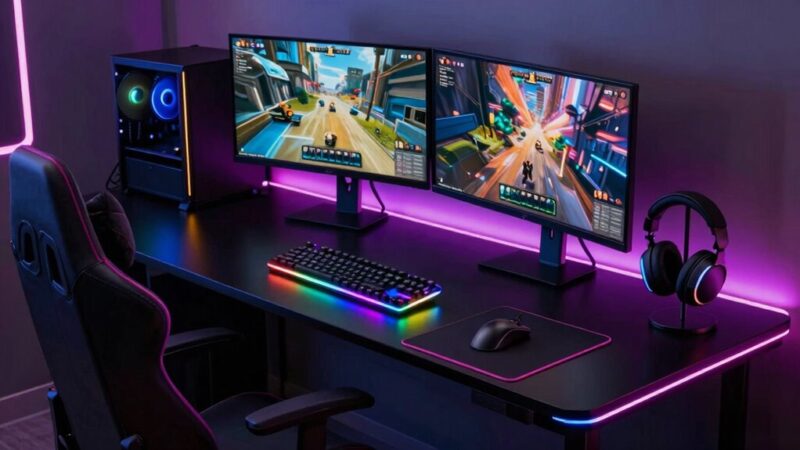
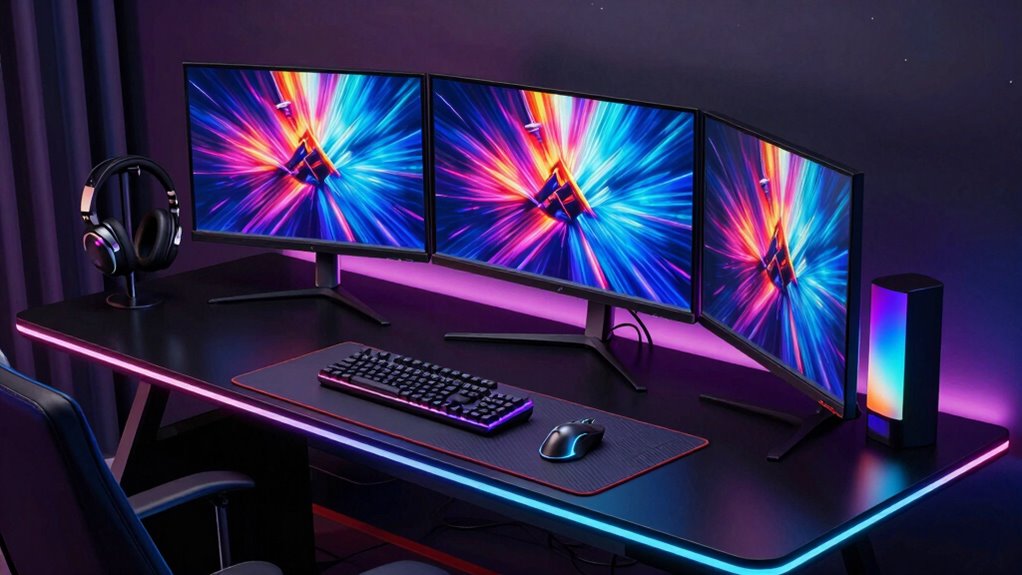


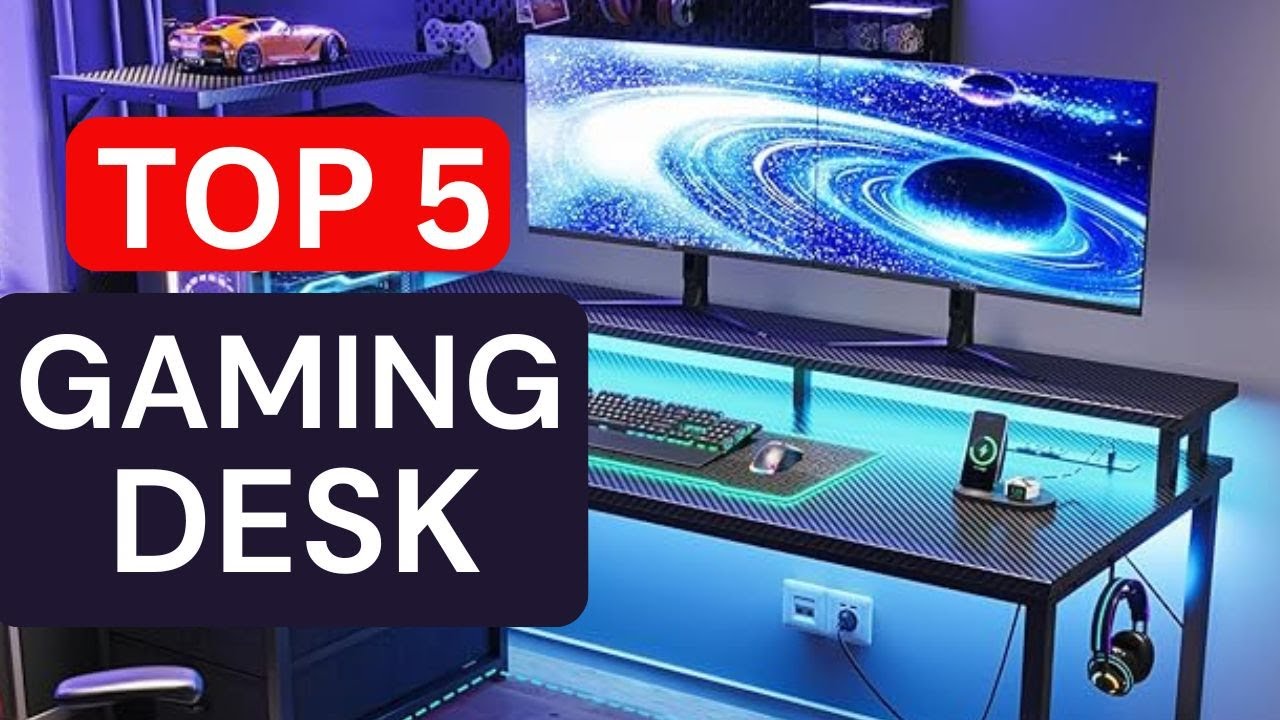
Best Gaming Desks 2026 Top Desks For Gaming 2026 YouTube . 15 Best Gaming Desks Of 2026 For The Ultimate Gaming Setup The Top Gaming Desk Picks Dqv16 800x450 . 10 Best Gaming Desks Of 2026 For Ultimate Comfort And Performance Eat Top Gaming Desks 2026 86hcd . Best Gaming Desks Of 2026 Best Product City Best Gaming Desks . TOP 5 Best Gaming Standing Desks 2026 YouTube
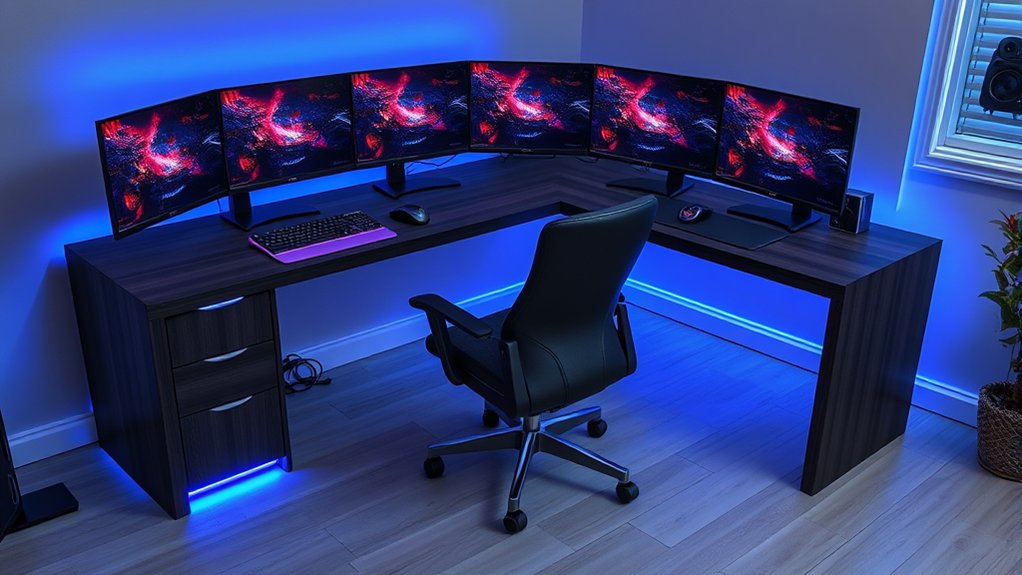

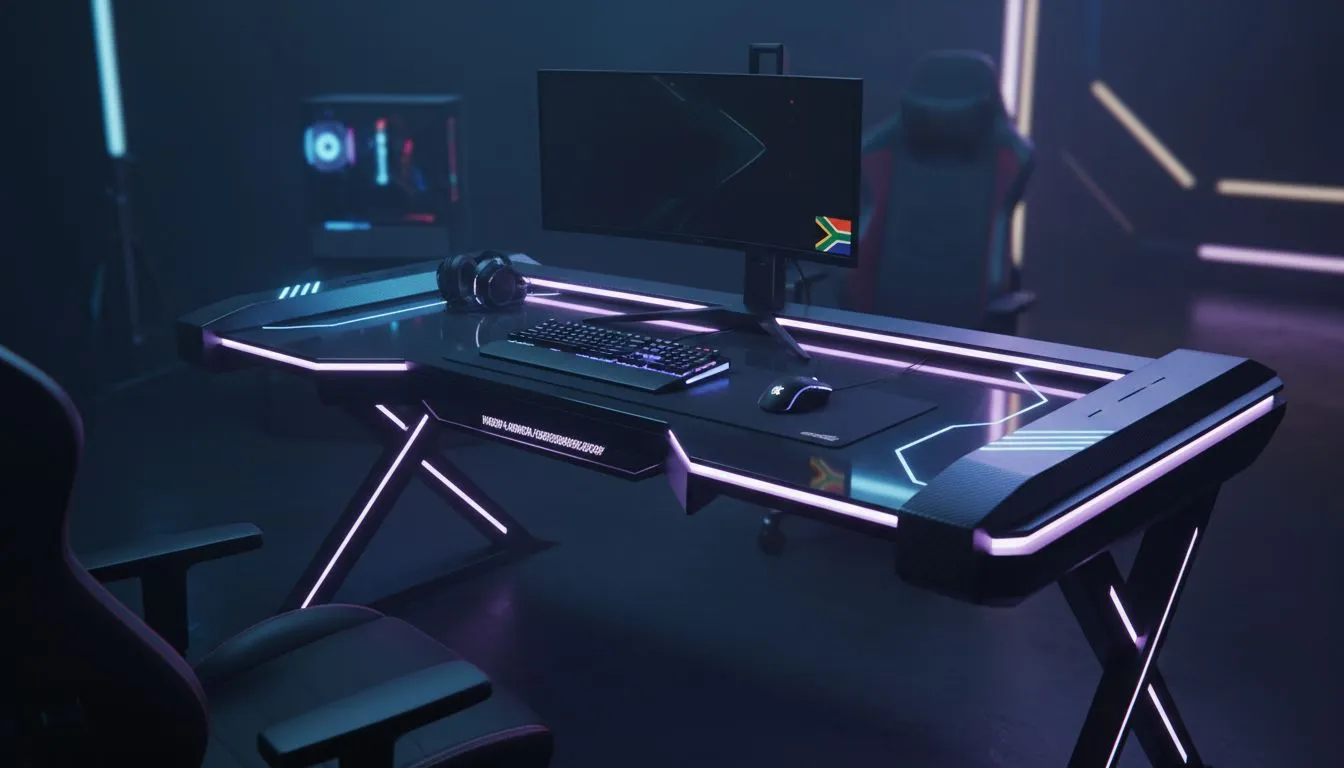
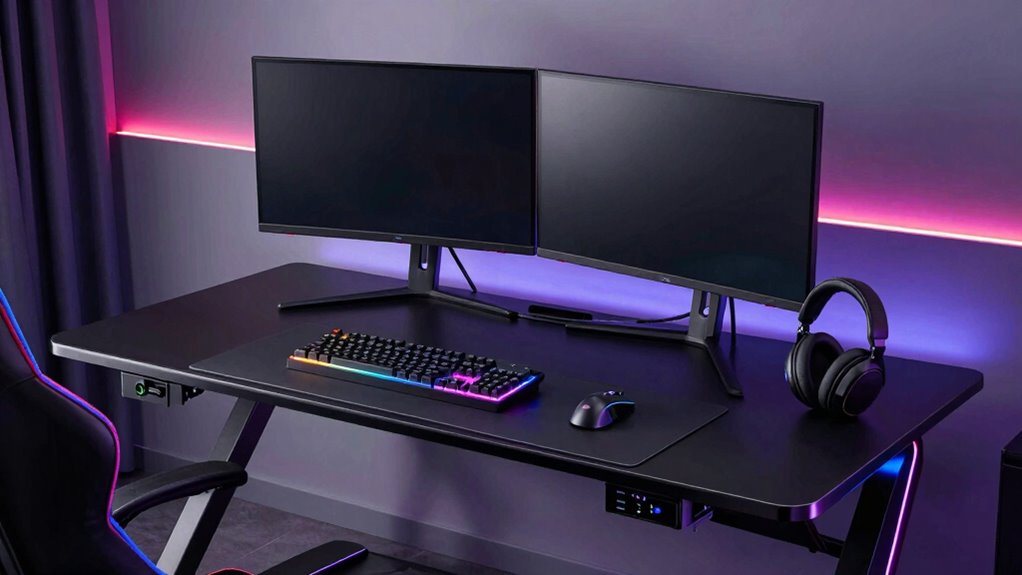

7 Best L Shaped Gaming Desks Of 2026 Top L Shaped Gaming Desks . 15 Best Gaming Desks Of 2026 For Ultimate Comfort And Performance Top Gaming Desk Picks N47aw . Top Gaming Desks In South Africa 2026 Best Gaming Desk South Africa 2026 Banner.webp. 15 Best Gaming Desks That Will Elevate Your Setup In 2026 Perfect Fit Top Gaming Desk Selections P8vtu . 10 Best Gaming Desks 2026 51vIG3k0dfL
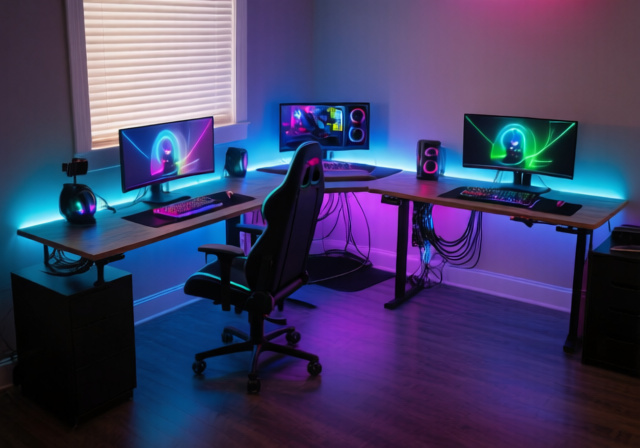
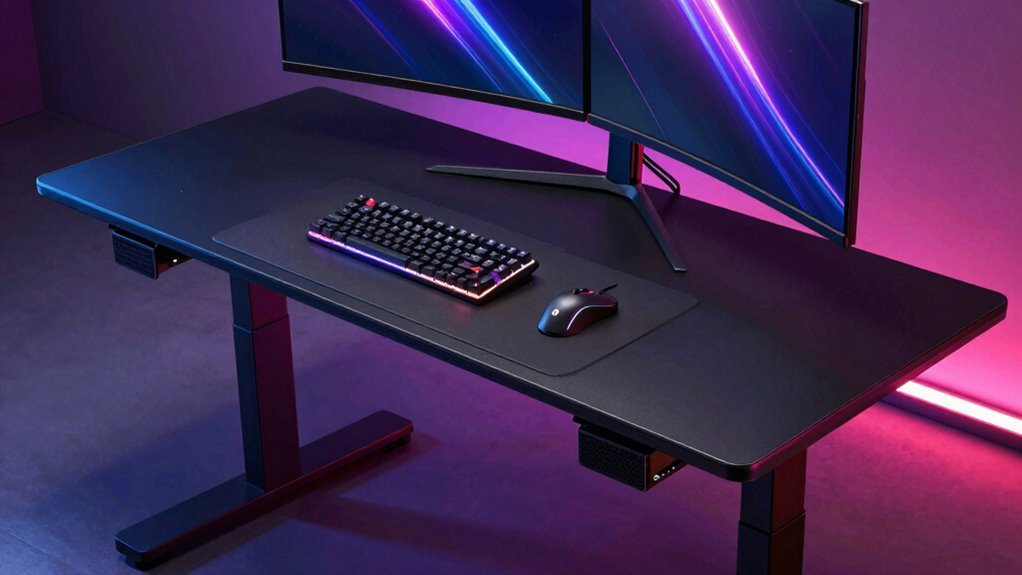

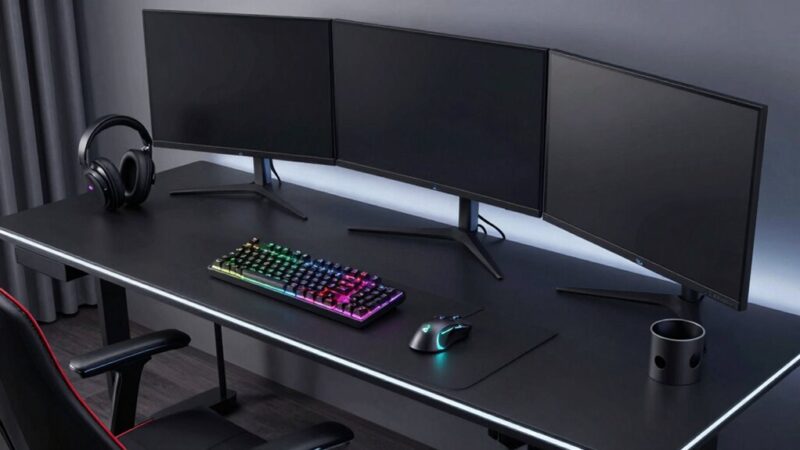

Best Corner Gaming Desk 2026 Expert Reviews Comparisons Featured Image Oom9eanw . 15 Best Gaming Desks Of 2026 That Will Elevate Your Setup Mad Tasting Top Gaming Desk Picks Nj0k8 . Best Gaming Desks For Small Spaces 2026 C Gaming PC Guru AC SL1500 . 15 Best Gaming Desks Of 2026 That Will Elevate Your Setup StrongMocha Top Gaming Desks 2026 A5vv3 800x450 . Top 5 Best Gaming Desks Of 2026 Best Product Review Best Gaming Desks


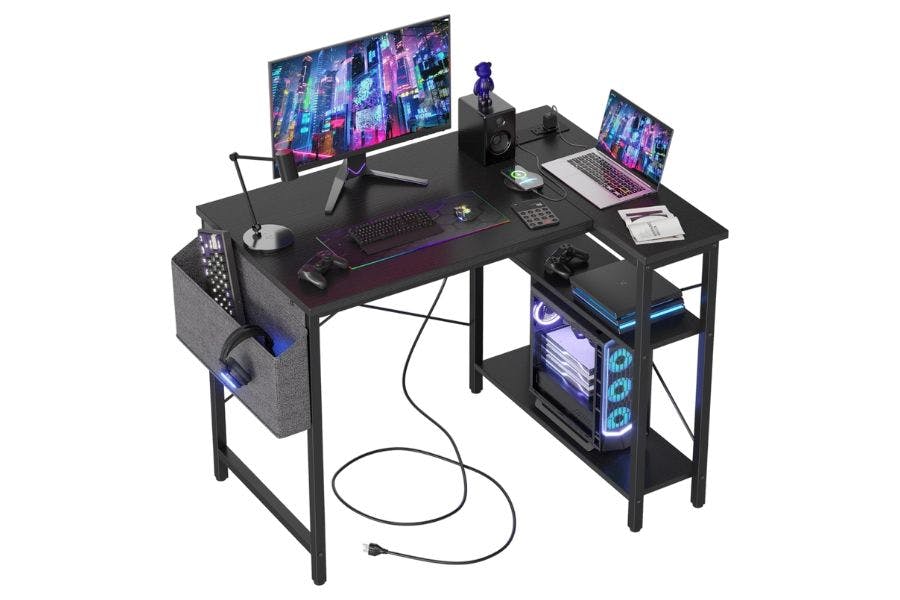

15 Best Gaming Desks Of 2026 For Ultimate Play Comfort And Style Home Top Gaming Desk Picks D0xrh . Top 5 Best Gaming Desks Of 2026 Must Watch Before Buy YouTube . Best Gaming Desks For Small Spaces 2026 C Gaming PC Guru AC SL1500 . 10 Best Gaming Desks Of 2026 Chosen By Our Experts BEXEVUE L Shaped Gaming Desk With Power Outlets 100x70 Cm Computer Desk With Storage Bag Office Desk Small Writing Table With Large Reversible Storage Shelves Workstation Study Home Office Bla . 19 Best Gaming Desk In 2026 That Video Game Blog TVGB Best Gaming Desk 1
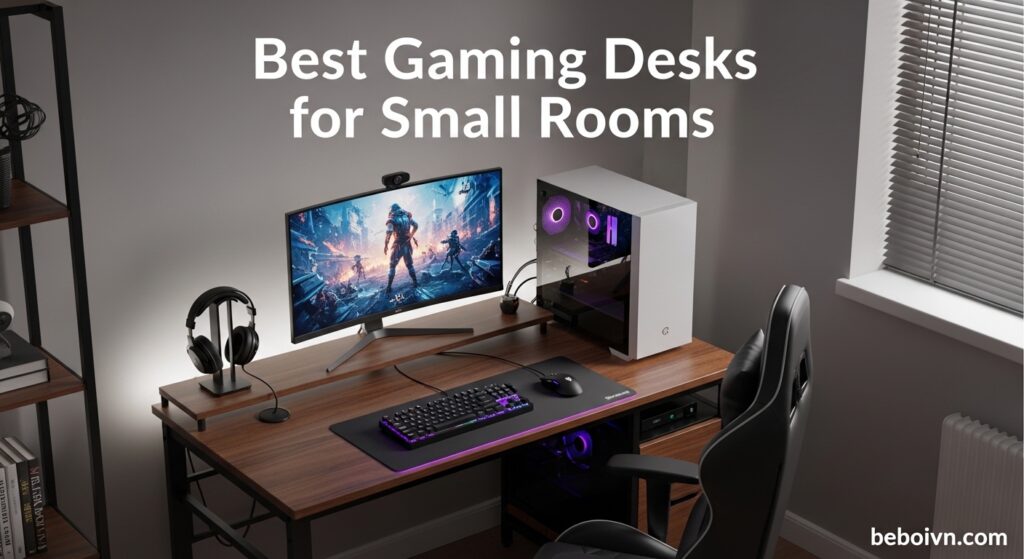


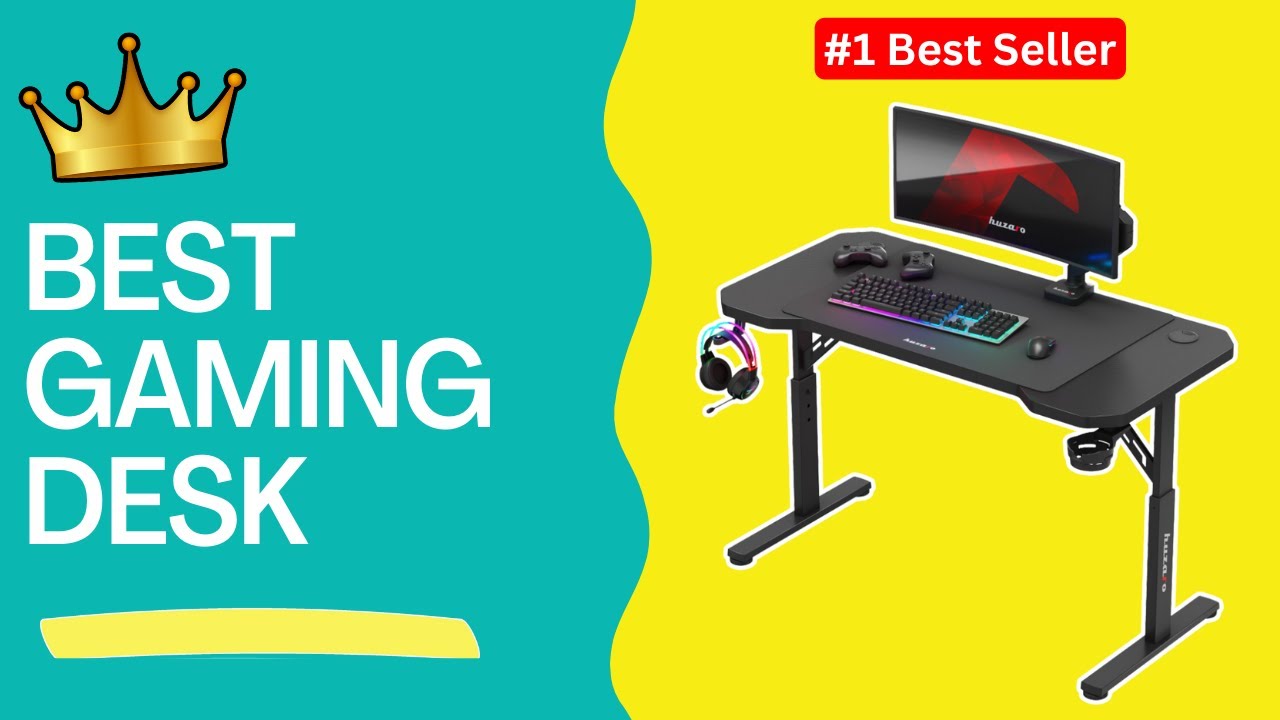
10 Ideas For The Best Gaming Desk Setup In 2026 ACC Gaming Desk Setup . 10 Best Gaming Desks For Small Rooms March 2026 Top Tested Best Gaming Desks For Small Rooms 1024x559 . Best Gaming Desks For Small Spaces 2026 C Gaming PC Guru Best Gaming Desks For Small Spaces Featured . 12 Best Gaming Desk Deals March 2026 Top Rated Desks Tested Compared Best Gaming Desk Deals . 5 Best Gaming Desk 2026 Editors Review YouTube
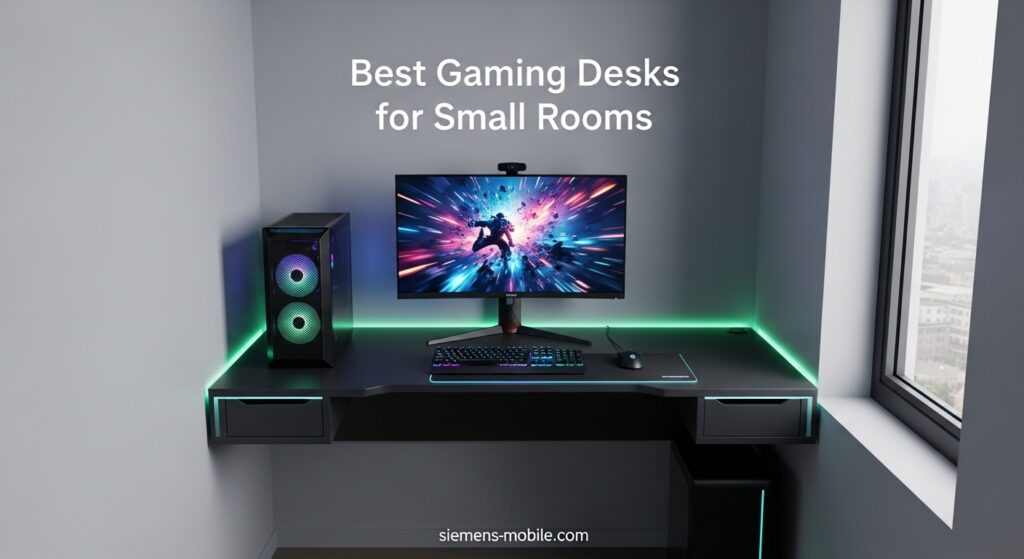


10 Best Gaming Desks For Small Rooms March 2026 Tested Siemens Mobile Best Gaming Desks For Small Rooms 1024x559 . Best Gaming Desk 2026 Best Gaming Desk 1 550x309 . 6 Best Gaming Desks 2026 Our Top Reviewed Picks Desks . Top 5 Best Gaming Desktops Of 2026 Best Product Review Best Gaming Desktops . 10 Best Gaming Desks Of 2026 Chosen By Our Experts Best Gaming Desks Of 2025 Feature Image 2


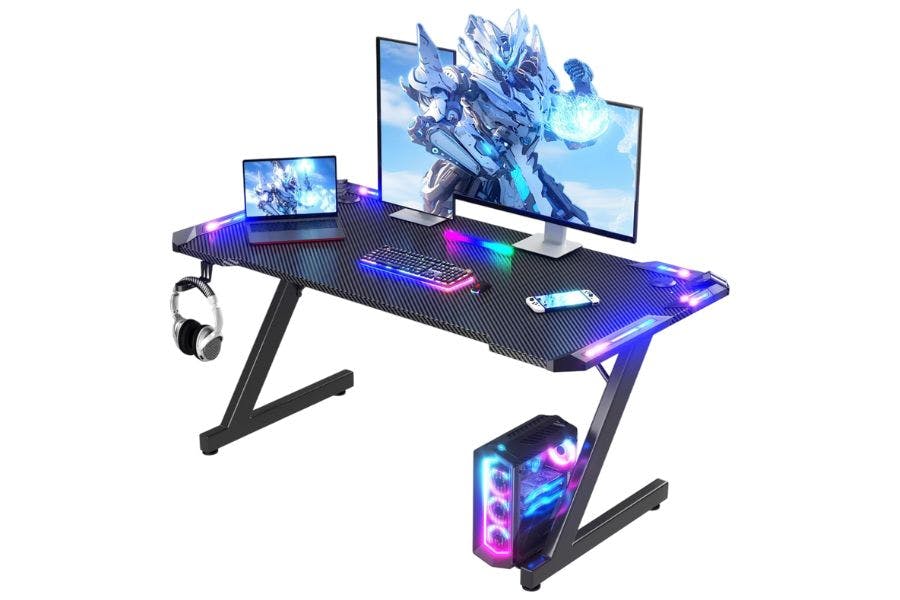
Best Gaming Desks 2026 Elevate Your Setup With These Top 5 YouTube . Best Gaming Desks 2026 Our Top Reviewed Picks Gaming Desk . Best Gaming Desk Deals 2026 Top Picks Price Guide 51iciaPap0L . Top 5 Best Gaming Desk 2026 Review Top Desks For Gaming To Buy On . 10 Best Gaming Desks Of 2026 Chosen By Our Experts Homall Gaming Desk With LED Lights 120 X 60cm RGB Gaming Table Z Shape Large Computer Desk With Headphone Hook Gamer Table For Home Office Carbon Fibre Black One Of The Best Gaming Desks Of