Are you a passionate gamer, balancing your love for digital worlds with the demands of work and family life? Many US adults, averaging 36 years old and often dedicating over 10 hours weekly to gaming, frequently wonder if their hobby can evolve into a professional career. The question, "can you get a degree in gaming," is no longer a niche inquiry but a vital one in 2026's rapidly expanding industry. This comprehensive guide dives deep into the burgeoning world of gaming education, exploring various degree types from cutting-edge game design and immersive development to strategic esports management and production. We'll uncover how these specialized programs are meticulously crafted to cater to busy professionals, offering unparalleled flexibility through online learning and part-time options. Discover the profound real-world value, exciting potential for career shifts, and practical, actionable steps you can take to transform your intrinsic gaming passion into a dynamic, professional pursuit, all while seamlessly managing your current life commitments. This resource provides clear, actionable insights for anyone looking to strategically optimize their gaming journey for both unparalleled fun and promising future prospects, staying current with the latest industry trends and job market demands.
Q: Can adults with full-time jobs realistically pursue a degree in gaming?
A: Absolutely! Many universities and specialized academies now offer flexible online and hybrid gaming degree programs specifically designed for working adults. These programs typically feature asynchronous learning, allowing you to access lectures and complete assignments on your own schedule, balancing your studies with work and family commitments. They recognize that adult learners bring valuable life experience to the classroom.
Q: What types of careers can I expect with a gaming degree if I'm not a pro gamer?
A: A gaming degree opens up a vast array of careers beyond professional playing. You can become a Game Designer, focusing on mechanics and narrative; a Game Developer or Programmer, building the game's code; a Game Artist or Animator, creating visual assets; an Esports Manager, handling teams and events; a Quality Assurance Tester; or even a Game Producer, overseeing project management. The industry has diverse needs.
Q: Is a gaming degree expensive, and are there financial aid options for older students?
A: The cost of a gaming degree varies widely by institution and program length. While some private institutions can be costly, many public universities offer more affordable options, and online programs might reduce expenses. Yes, financial aid is available for older students, including federal grants, student loans, and scholarships specifically for adult learners or those pursuing STEM/creative fields. Research and apply early!
Q: How important is a portfolio compared to a gaming degree when seeking jobs?
A: Both are crucial, but a strong portfolio is arguably more important in the gaming industry. Your portfolio showcases your practical skills and completed projects, demonstrating what you can actually do. A degree, however, provides a structured foundation, industry-standard knowledge, networking opportunities, and academic credibility. Ideally, a degree program will heavily emphasize portfolio development throughout your studies.
Q: What skills are most valuable for getting hired in the gaming industry in 2026?
A: In 2026, a blend of technical expertise, creative problem-solving, and strong soft skills is key. Technical skills like proficiency in game engines (Unity, Unreal), programming languages (C++, C#), and 3D modeling software are highly valued. Equally important are creative design skills, UI/UX knowledge, and crucial soft skills such as teamwork, communication, adaptability, and project management. Experience with mobile and cross-platform development is also a major plus.
Q: Can I specialize in specific game genres or platforms with a gaming degree?
A: Yes, many gaming degree programs offer opportunities for specialization. While foundational courses cover general principles, you can often choose electives or focus your capstone projects on specific genres (e.g., RPGs, simulation, VR games) or platforms (mobile, PC, console). Some programs even have dedicated tracks for areas like mobile game development or serious games. It allows you to tailor your education to your passion.
Q: What are the current trends in the gaming industry that a degree would prepare me for?
A: A good gaming degree in 2026 will prepare you for key trends like the continued dominance of mobile gaming, the rise of social and cozy games, advancements in cloud gaming, the expanding metaverse and Web3 integrations, AI-powered game development tools, and the professionalization of esports. You'll learn adaptive skills to navigate emerging technologies and player behaviors, ensuring your knowledge stays current with industry demands.
Hey fellow gamers! Ever find yourself grinding through an epic game, then glancing at the clock, realizing it’s 2 AM, and thinking, "Man, I wish I could do this for a living?" For many of us, gaming isn't just a pastime; it's a dedicated passion, a place to unwind after a long day of work, connect with friends, or even sharpen our problem-solving skills. We're talking about the average US gamer, around 36 years old, who likely logs 10+ hours a week, balancing raids, family responsibilities, and job deadlines. The idea of transforming that passion into a career often feels like a fantasy, right? Especially when you're already juggling so much.
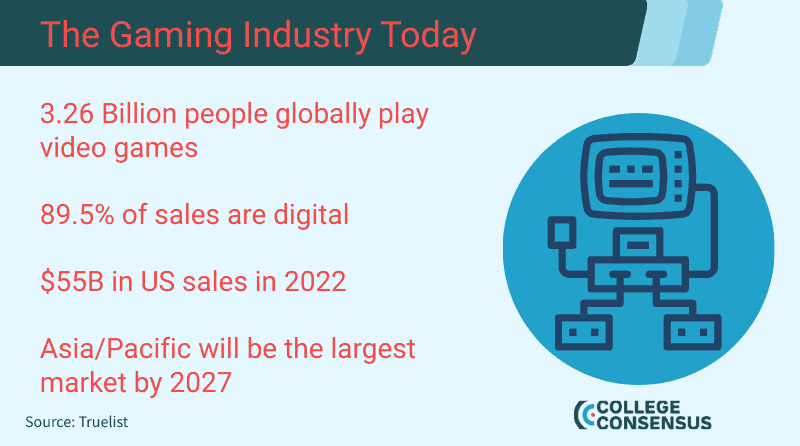
But what if I told you that turning your love for gaming into a legitimate career isn't just a pipe dream anymore, and yes, you absolutely can get a degree in gaming? In 2026, the gaming industry is a powerhouse, estimated at over 200 billion globally, with 87% of US adults regularly engaging. From mobile games dominating commutes to expansive PC and console titles offering social escapism, there's a massive demand for skilled professionals. If you've ever thought about game development, esports, or even streaming, but felt overwhelmed by where to start, you're in the right place. This guide is your practical roadmap, showing you how specialized gaming degrees can open doors to exciting opportunities, fitting into your busy life and providing real value for your time and money. Let's dive into how you can level up your career, not just your character!
Can You Really Get a Degree in Gaming?
Absolutely, yes! The concept of a "gaming degree" has evolved dramatically beyond just playing games. Today, it encompasses a wide array of specialized academic programs designed to equip you with the technical, creative, and business skills required to succeed in the video game industry. These aren't just glorified high scores; they are rigorous curricula focusing on areas like game design, development, programming, art, animation, production, and even the booming field of esports management. Think of it less as a degree in "playing games" and more as a degree in "making games" or "managing the business of games." Universities and colleges globally, especially in the US, have recognized the immense potential and economic impact of this industry, establishing dedicated departments and programs. For busy adults, many offer flexible online formats or hybrid models, making it entirely feasible to pursue while balancing existing commitments.
What Kinds of Gaming Degrees Are Available?
The spectrum of gaming degrees is surprisingly broad, catering to different facets of the industry. Here are some of the most common and impactful options you'll find:
- Game Design Degrees: These programs focus on the conceptualization and experience of a game. You'll learn about level design, character development, narrative storytelling, user interface (UI) and user experience (UX) principles, and game mechanics. It's about crafting engaging player journeys.
- Game Development & Programming Degrees: This is where the magic happens behind the scenes. Students master programming languages (like C++, C#, Python), game engines (Unity, Unreal Engine), artificial intelligence for games, physics engines, and software engineering principles specific to interactive entertainment.
- Game Art & Animation Degrees: For the visually creative, these degrees teach digital sculpting, 3D modeling, texturing, rigging, animation, concept art, and environmental design. You'll bring worlds and characters to life.
- Esports Management Degrees: A rapidly growing field, these programs cover the business side of competitive gaming. Topics include event management, marketing, team management, sponsorship, broadcasting, and legal aspects of esports. Given the surge in esports viewership and participation among regular gamers, this is a hot area.
- Game Production & Project Management Degrees: These focus on overseeing the entire game development lifecycle, from initial concept to launch. You'll learn about budgeting, scheduling, team coordination, risk management, and quality assurance (QA).
Each degree type provides a distinct pathway into the industry, allowing you to specialize in the area that best aligns with your interests and existing skill set.
Is a Gaming Degree Worth It for Busy Adults?
For many gamers balancing jobs, families, and life, the idea of going back to school can feel daunting. However, a gaming degree can be incredibly worth it. Here's why:
- Career Transition: It provides a structured pathway for those looking to pivot careers. If you're tired of your current job and your passion truly lies in gaming, a degree offers the skills and credentials to make that leap.
- Skill Formalization: Many experienced gamers intuitively understand game mechanics and design. A degree formalizes this knowledge, adds industry-standard tools and practices, and provides a theoretical foundation.
- Networking Opportunities: You'll connect with faculty who are industry veterans and classmates who share your passion, creating invaluable professional networks.
- Credibility: While portfolios are crucial, a degree from a reputable institution can provide a significant advantage in competitive job markets, signaling dedication and a comprehensive understanding of the field.
- Flexibility: With the rise of online and hybrid programs, many institutions offer schedules designed for adult learners. You can often learn at your own pace, fitting studies around your work and family. This flexibility is key for the ~60% of gamers who are working adults.
Ultimately, the value lies in your commitment and how you leverage the education to achieve your personal and professional goals. It's an investment in your passion and future.
What are the Career Paths with a Gaming Degree?
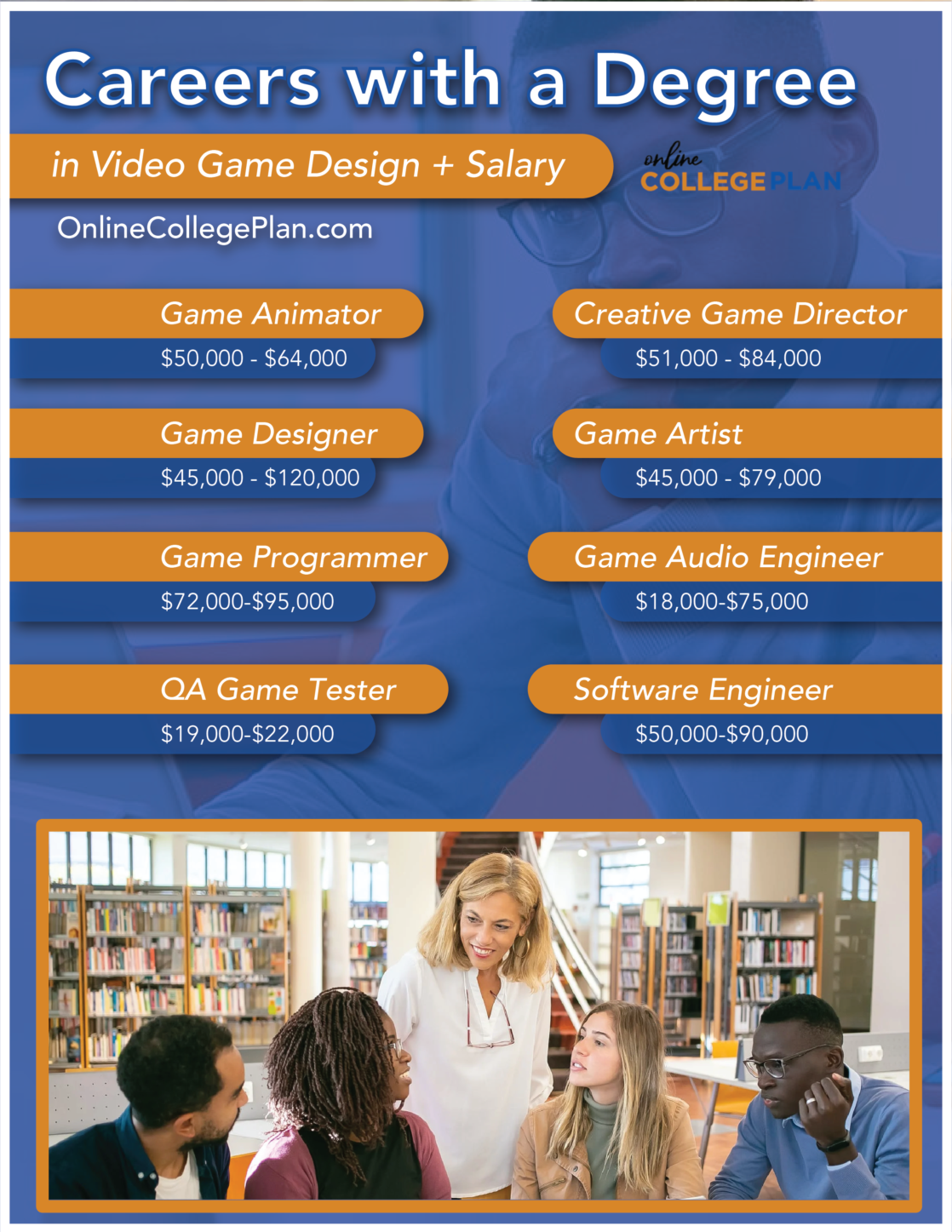
A gaming degree opens doors to a surprisingly diverse range of careers, far beyond just being a "professional gamer." Here's a glimpse into potential roles:
- Game Programmer: Developing game logic, AI, physics, graphics, or networking. Highly technical and in demand.
- Level Designer: Creating the environments and challenges players experience within a game.
- Character Artist/Animator: Designing and animating 2D or 3D characters.
- Technical Artist: Bridging the gap between artists and programmers, optimizing assets for game engines.
- Quality Assurance (QA) Tester: Identifying bugs and ensuring game quality, often a stepping stone to other roles.
- Game Writer/Narrative Designer: Crafting compelling stories, dialogue, and lore.
- UI/UX Designer: Ensuring the game's interface is intuitive and the player experience is seamless.
- Esports Manager/Coach: Managing professional teams, organizing events, or coaching players.
- Community Manager: Engaging with the player base, managing social media, and fostering a positive community.
- Game Producer: The project manager of a game, overseeing budgets, schedules, and team coordination.
With mobile gaming continuing to dominate the market and cross-platform play becoming standard, these roles are constantly evolving and growing.
How Do Online Gaming Degree Programs Work?
Online gaming degree programs are a game-changer for adults balancing life. They offer incredible flexibility, allowing you to learn from virtually anywhere, often on your own schedule. Here's how they generally operate:
- Asynchronous Learning: Most programs are asynchronous, meaning you access course materials (lectures, readings, assignments) at your convenience within weekly deadlines. This is ideal for fitting studies around work or family schedules.
- Virtual Classrooms & Tools: You'll use learning management systems (LMS) like Canvas or Blackboard. Course content includes pre-recorded video lectures, digital textbooks, discussion forums, and interactive simulations. You'll likely use industry-standard software like Unity, Unreal Engine, Blender, or Maya, which can often be accessed via cloud desktops or provided through student licenses.
- Interactive Engagement: Despite being online, many programs foster strong community through dedicated Discord servers, regular video calls with instructors and peers, and collaborative projects. This addresses the social aspect many gamers value.
- Practical Application: Online programs emphasize hands-on projects, building a portfolio of your work which is crucial for job hunting in the gaming industry. You'll often work on mini-game projects, art assets, or esports business plans.
While requiring discipline and self-motivation, online degrees make a gaming education accessible to a broader audience, including those who previously couldn't commit to on-campus attendance.
What Skills Will I Learn in a Gaming Degree Program?
A comprehensive gaming degree program will equip you with a robust set of skills, blending technical prowess with creative problem-solving and essential soft skills. Here’s a breakdown:
- Technical Skills:
- Programming languages (C++, C#, Python, JavaScript)
- Game engine proficiency (Unity, Unreal Engine)
- 3D modeling & animation software (Blender, Maya, ZBrush)
- Version control systems (Git, Perforce)
- Database management
- Network programming for multiplayer games
- Creative & Design Skills:
- Game design principles (mechanics, systems, balance)
- Level design & environmental storytelling
- Narrative development & scriptwriting
- Character design & concept art
- UI/UX design principles
- Audio design & implementation
- Soft Skills (Crucial for Industry Collaboration):
- Teamwork & collaboration (gaming is a team sport!)
- Problem-solving & critical thinking
- Communication (presenting ideas, giving/receiving feedback)
- Project management & time organization
- Adaptability to new technologies and trends
- Networking & industry engagement
These skills are highly transferable, not just within gaming but across various tech and creative industries.
How Do I Choose the Right Gaming Degree Program?
Selecting the best gaming degree program requires careful consideration, especially when you're making a significant investment of time and money. Here’s a checklist to guide your decision:
- Accreditation: Ensure the institution and program are regionally accredited. This guarantees a certain standard of education and is crucial for transferring credits or pursuing further education.
- Curriculum Focus: Does the program align with your specific interests? If you want to design, look for strong design courses. If you want to code, prioritize programming-heavy curricula. Review course descriptions thoroughly.
- Faculty Experience: Research the professors. Do they have industry experience? Are they published or actively involved in the gaming community? Learning from veterans is invaluable.
- Alumni Success & Industry Connections: What have graduates gone on to do? Do they work at reputable studios? Does the program have partnerships with gaming companies for internships or job placement?
- Cost & Financial Aid: Compare tuition fees, living expenses (if applicable), and available scholarships or financial aid options. Consider the overall ROI.
- Program Format & Flexibility: For busy adults, consider online, hybrid, or part-time options. Does the schedule work with your existing commitments?
- Technology & Resources: Does the program provide access to up-to-date software, hardware, and labs? What kind of student support is available?
- Portfolio Development: A strong portfolio is paramount. Does the program emphasize hands-on projects and portfolio building?
Don't be afraid to reach out to admissions, talk to current students, or even look up alumni on LinkedIn to get a full picture.
Are There Alternatives to a Full Gaming Degree?
Yes, a full bachelor's or master's degree isn't the only path into the gaming industry, especially for seasoned individuals or those with specific existing skills. Here are some viable alternatives:
- Specialized Certificates & Bootcamps: Many institutions and private companies offer intensive, shorter-term programs focusing on a specific skill, like a 3D modeling certificate or a game development bootcamp. These are excellent for quickly acquiring targeted skills or upskilling.
- Online Courses & MOOCs: Platforms like Coursera, Udemy, edX, and GDC Vault offer a wealth of individual courses taught by industry professionals. You can learn specific software, design principles, or programming techniques at your own pace and budget.
- Self-Teaching & Community Involvement: With abundant free resources (YouTube tutorials, open-source engines like Godot, developer blogs), self-teaching is a powerful option. Combine this with active participation in game jams, local developer meetups, and online communities (like Discord servers for game dev), and you can build a strong portfolio.
- Apprenticeships & Internships: If you have some foundational skills, seek out entry-level apprenticeships or internships. Practical, on-the-job experience is highly valued.
The key regardless of the path, is to consistently build a strong portfolio of projects that showcase your abilities.
What About the Cost and ROI of a Gaming Degree?
The cost of a gaming degree can vary widely, from a few thousand dollars for a certificate to over $100,000 for a four-year bachelor's degree at a private institution. Public universities generally offer more affordable options, and online programs can sometimes reduce costs by eliminating commuting or relocation expenses. However, remember to factor in software, hardware, and potential living expenses.
When considering Return on Investment (ROI), look at potential earnings. Entry-level salaries in game development can range from $50,000 to $70,000 annually, with experienced professionals earning six figures. Esports management and game production roles also offer competitive salaries. The value isn't just financial, though. It's about personal fulfillment, joining an innovative industry, and having a career you genuinely enjoy. Balancing this against the initial investment, along with the flexibility of online degrees for adults who need to maintain their current income, makes the ROI often compelling.
Can I Turn My Passion for Gaming into a Real Career?
Absolutely, you can! The gaming industry isn't just for prodigies fresh out of high school anymore. It's an evolving landscape that values diverse perspectives, life experience, and a deep understanding of what makes games engaging – something many adult gamers inherently possess. The journey might involve some strategic planning, perhaps a few late nights studying after the kids are asleep or during your lunch break, but it is entirely achievable. Think about the millions of dollars made in mobile gaming alone, or the growth of esports which now includes collegiate programs. Your unique experiences and insights as a mature gamer can be an incredible asset in creating games that resonate with a broad audience, including other busy adults seeking fun and relaxation. Start by researching, experimenting with game engines, and building a small project. Every major studio started with a small idea and a passionate team. Your journey from player to professional is just a degree or a dedicated learning path away.
The gaming industry is vibrant, constantly innovating, and there's definitely a place for your passion within it. Whether you aim to design the next viral mobile hit, manage a top-tier esports team, or program the AI for an immersive RPG, the pathways are clearer than ever. Take that first step, explore the options, and start building your future today.
FAQ Section
Are gaming degrees only for young people? No, gaming degrees are increasingly popular among adults of all ages, offering flexible online and part-time options perfect for career changers or those looking to formalize existing skills. Many programs value the life experience and diverse perspectives adult learners bring to game development.
How long does it take to get a gaming degree? A bachelor's degree typically takes four years full-time, but online and part-time options for busy adults can extend this. Certificate programs are much shorter, ranging from a few months to a year, offering quicker entry into specialized roles.
Do I need to be good at coding to get a gaming degree? Not necessarily for all degrees. While programming is crucial for game development and engineering tracks, degrees in game art, design, production, or esports management may require minimal or no coding, focusing on other skill sets.
Can I get a gaming degree entirely online? Yes, many reputable universities and specialized academies now offer comprehensive gaming degrees and certificates entirely online, providing the flexibility needed for working professionals and those with family commitments. These often include virtual collaboration tools and hands-on project work.
Is the gaming industry stable for careers? The gaming industry is robust and growing, demonstrating significant stability and continuous innovation, even during economic shifts. With diverse roles in development, publishing, esports, and technology, it offers numerous long-term career opportunities for skilled professionals.
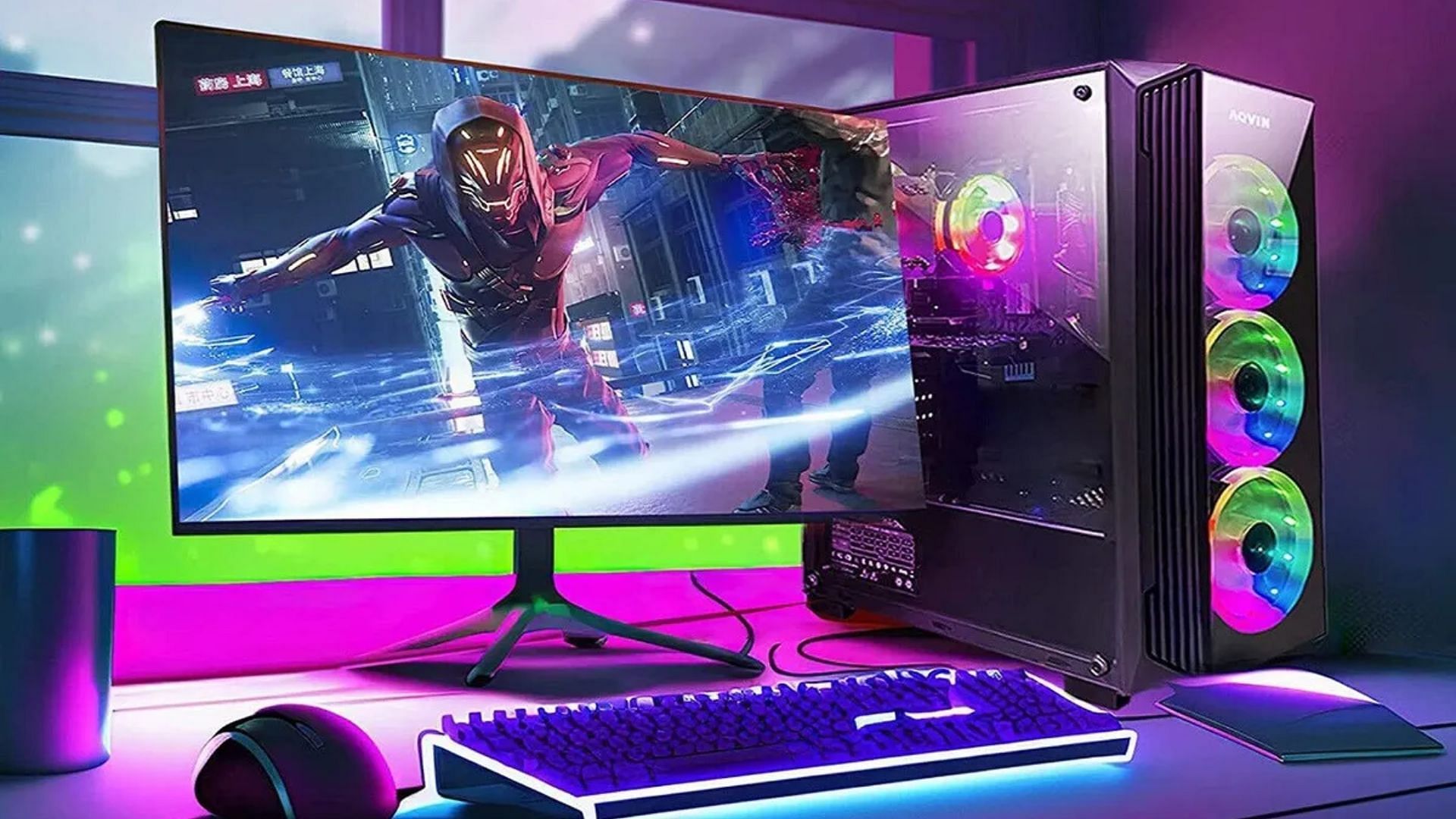
What kind of computer do I need for a gaming degree program? You'll typically need a powerful computer with a dedicated graphics card, ample RAM (16GB+ recommended), and a fast processor. Many programs specify minimum requirements, often compatible with modern gaming PCs.
Conclusion
So, can you get a degree in gaming? The answer is a resounding yes, and it's a pathway that's more accessible and relevant than ever for passionate gamers juggling real-world responsibilities. In 2026, the gaming industry isn't just about entertainment; it's a massive, dynamic sector hungry for skilled professionals. From innovative game design to strategic esports management, these degrees offer a structured, credible route to transform your passion into a fulfilling career. Remember, the average US gamer is 36, regularly plays 10+ hours a week, and values skill-building and relaxation. This guide has shown you how to bridge that gap between hobby and profession, offering flexible options and real career potential without sacrificing your life balance.
What's your biggest gaming challenge when it comes to leveling up your career? Comment below! Let's connect and share insights on how we can all turn our digital dreams into tangible successes.
Gaming industry career paths; specialized gaming degrees; balancing education and life; online learning flexibility; skill development for gamers; future of gaming jobs; professional gaming insights; esports education; game design curriculum; video game development degrees.
33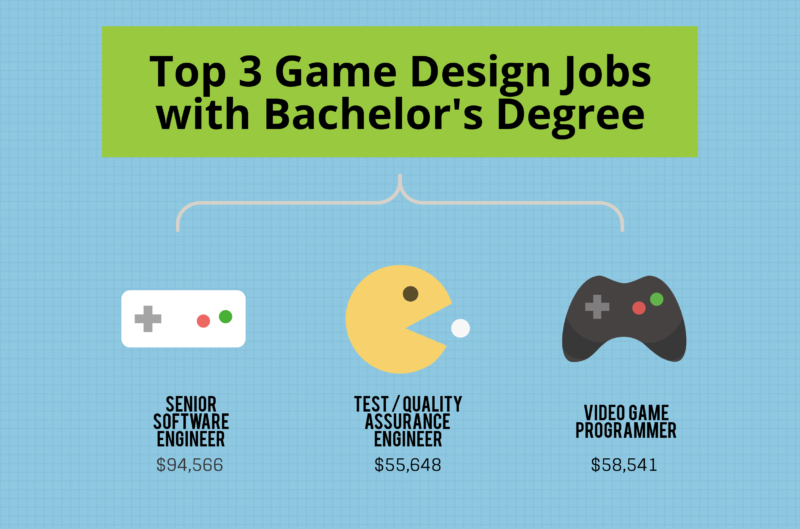


Video Game Designer Education Game Design Top3 800x529 . Can You Play Roblox On Epic Games Store Unpacking The Platforms GAMES IN 2026 . Top 10 Game Development Colleges To Study 2025 Update Top 10 Colleges To Study Game Developemnt 860x484 . Esports In 2026 How Gaming Can Put You Through School College For Esports How Competitive Gaming Can Fund Your Education In 2025 Large . 10 Best Degrees For Gamers What To Study For A Career In The Gaming Cc Gamer Degree




2026 What Do You Need For A Game Programming Degree Tmpzaw94rxp. What Is Spotify Connect Connecting To Devices Directly From Spotify Best Gaming Consoles Hero Image . Xbox Release Dates In 2026 A List Of New Games Coming Out This Year Large . 2026 AI Automation And The Future Of Game Design Degree Careers 1763646203 0 Title Is A Game Design Online Degree Worth It In Currentyear. 2026 Game Programming Degree Programs With Rolling Admissions




To All The Graduates Reach Out So I Can Help You Get Media. Bachelors Degree Stats Top 10 Bachelors Degrees For Jobs 2024 . Good Cheap PC Is It Real For You 8ca85 1920 . 10 Gaming Events You Should Know About In 2026 Gaming Net 10 Gaming Events You Should Know About In 2026 6 1536x864 . 2026 What Do You Learn In A Data Science Degree Curriculum Skills


Will Gaming PCs Get CHEAPER In 2026 Gaming PC Prices RAM Prices Media. Ready To Share How To Publish Your Roblox Game . How To Get A Job In 2026 Without A Degree Complete Skill Gitnost Com ChatGPT Image Jan 4 2026 11 17 34 PM . Uh Oh The Nintendo Switch 2 Price Is Going Up Stuff Best Handhelds 2025 Lead . Computer Gaming Degrees At Winston Blanton Blog Video Game Degree Careers


Was My Degree In Game Development Worth It YouTube . EA F1 26 Canceled 2026 Season Update Details 2026 Upcoming Games Release Dates . PS5 2026 Preview PlayStation Shows Off A Brilliant Start These Games Playstation 2026 Teaser.webp. Level Up Your Coding Skills And Become A Game Designer Earn An Media. Games Coming To Nintendo Switch 2 And Nintendo Switch In 2026 News 16x9 HP NSwitch2 2026 GB En


8 Best Gaming PCs For 2026 Ultimate Buyer S Guide Best Gaming Pc 2026 The Neuralcore X.webp. January 2026 Game Releases 2026 Video Game Release Dates Post Feature Image . One Of My Favorite Board Games Is Getting A Massive New Expansion To . One Piece How Oda Can Fix Usopp In Elbaf Starfield Getting Major Update New Dlc And Coming To Ps5 . Easy Degrees That Pay Well 2025 Guide EDsmart Best Degrees To Get


Education Degrees You Can Study In 2026 And Post 800.webp. What Can You Do With A Game Design Degree 2026 GAME DESIGN DEGREE 300x300 . 2026 MBA Vs PhD Which Degree Should You Pursue Research Com 1764759344 0 Title Currentyear What Do You Need For An Engineering Management Degree Entry Credits Eligibility Rules