Unlock the full potential of your Apple laptop and discover how to play Steam games on MacBook in 2026, regardless of your hardware. This comprehensive guide navigates through native macOS support, innovative cloud gaming solutions, and effective virtualization techniques. Gamers can explore methods to enjoy their favorite PC titles on macOS, optimizing settings for peak performance. We delve into the exciting landscape of Apple Silicon compatibility, ensuring you understand every available option. Whether you are aiming for high-fidelity AAA experiences or simply wish to enjoy indie gems, this resource covers essential tips and tricks. Learn about managing FPS drops, addressing lag, and enhancing your overall gaming experience. This informational hub provides everything needed to transform your MacBook into a formidable gaming machine, staying ahead of current trends and future possibilities. Embrace the convenience and power of modern Mac gaming with expert insights and actionable advice for every enthusiast.
how to play steam games on macbook FAQ 2026 - 50+ Most Asked Questions Answered (Tips, Trick, Guide, How to, Bugs, Builds, Endgame)
Welcome to the ultimate living FAQ for playing Steam games on your MacBook in 2026! The landscape of Mac gaming has evolved dramatically, especially with the incredible power of Apple Silicon. This comprehensive guide is constantly updated to reflect the latest patches, hardware advancements, and software solutions, ensuring you have the most current and effective strategies at your fingertips. Whether you're a beginner trying to launch your first game, an experienced player battling performance issues, or a curious enthusiast exploring cloud gaming, we've got you covered. Dive in to discover tips, tricks, how-tos, and fixes for bugs, builds, and even endgame strategies, all tailored for your MacBook experience. We aim to demystify Mac gaming, making it accessible and enjoyable for everyone.
Can a MacBook Pro run all Steam games?
No, a MacBook Pro cannot natively run all Steam games. Many titles are Windows-exclusive and lack a macOS version. However, a significant portion of the Steam library offers native Mac support. For Windows-only games, options like cloud gaming, virtualization (Parallels, CrossOver), or Boot Camp (Intel Macs only) can allow you to play them with varying degrees of success and performance.
How do I improve FPS on Steam games Mac?
To improve FPS on Steam games on your Mac, first, reduce in-game graphics settings like resolution, texture quality, and shadows. Close all background applications, ensure macOS is updated, and consider using a wired internet connection. For Apple Silicon Macs, ensure games are optimized for the M-series chips or use an efficient compatibility layer like CrossOver.
Is Steam free for Mac?
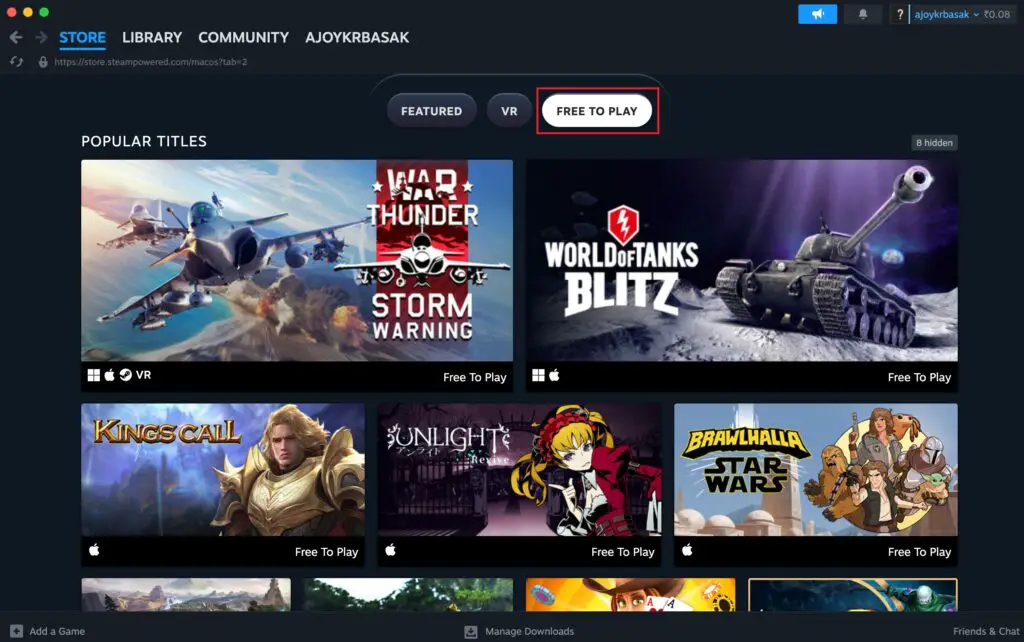
Yes, the Steam client itself is completely free to download and install on your Mac. You only pay for the games you choose to purchase within the Steam store. Many free-to-play games are also available directly through Steam on macOS, allowing you to enjoy a wide variety of titles without any initial cost.
Can you play demanding games on a MacBook Air 2026?
Yes, a MacBook Air 2026 with Apple Silicon can play demanding games, especially via cloud gaming services like GeForce NOW or natively optimized titles. While it won't match a high-end gaming PC, the integrated M-series chips are powerful enough for many modern games at respectable settings. Expect solid performance for many AAA and indie titles.
How do I install Steam games on my Mac?
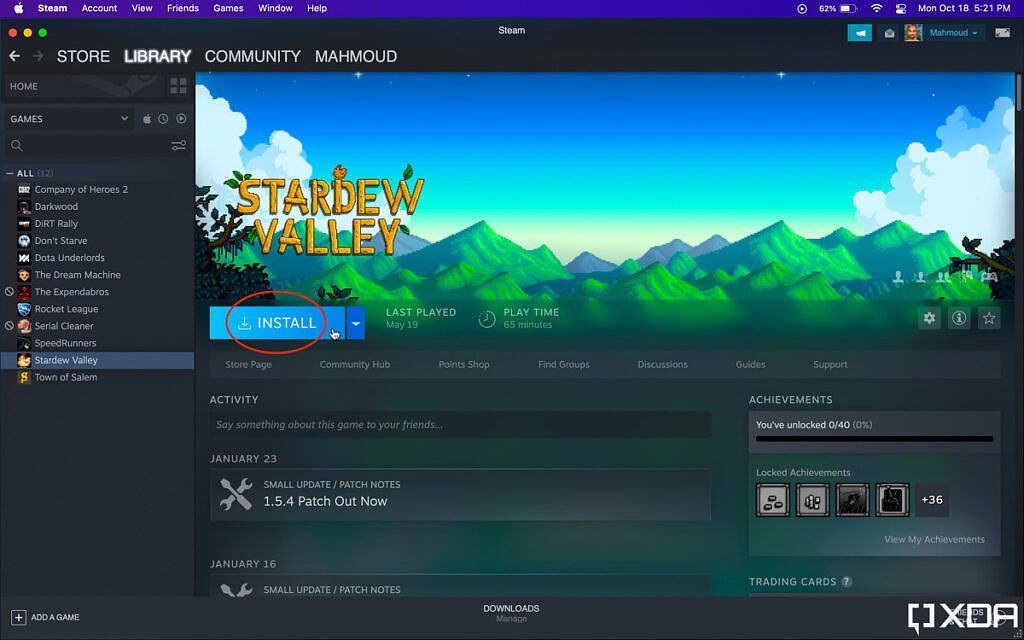
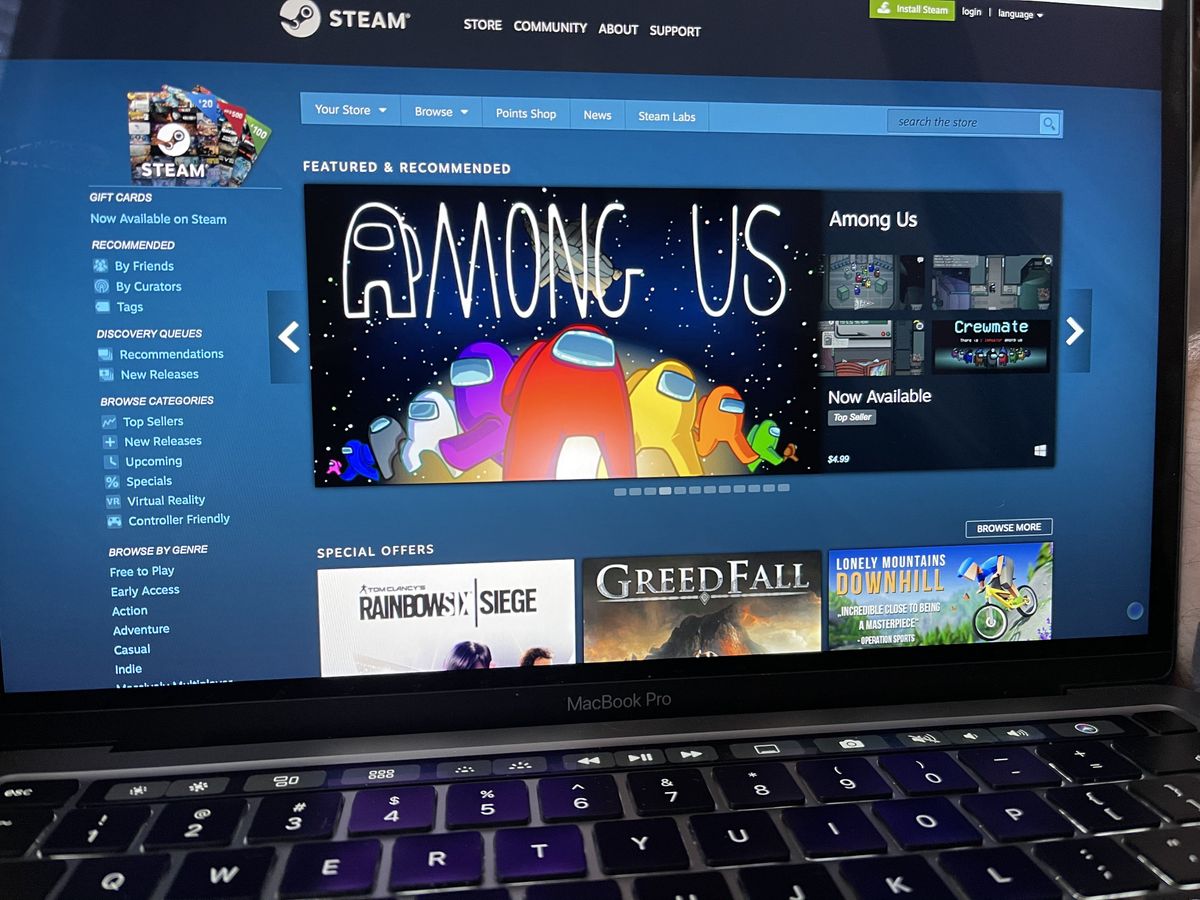
Installing Steam games on your Mac is straightforward. First, download and install the Steam client from the official Steam website. Once logged in, navigate to the store, purchase or select a game, and click 'Install'. Steam will download and automatically set up any game with native macOS compatibility directly to your applications folder.
What are the best methods to play PC-only Steam games on a Mac?
The best methods to play PC-only Steam games on a Mac include cloud gaming services (e.g., GeForce NOW) for streaming, virtualization software (e.g., Parallels Desktop) for running a Windows environment, or compatibility layers (e.g., CrossOver) that translate Windows game instructions to macOS. For older Intel Macs, Boot Camp allows direct Windows installation for optimal performance.
Is cloud gaming on Mac a good alternative to native installations?
Cloud gaming on Mac is an excellent alternative to native installations, especially for resource-intensive or Windows-exclusive titles. It allows even lower-spec MacBooks to stream and play high-fidelity games from powerful remote servers. Performance depends heavily on a stable, fast internet connection, but it circumvents local hardware limitations entirely.
Still have questions? Check out our other popular guides like 'Optimizing MacBook Performance for Gaming' or 'Top Cloud Gaming Services for macOS 2026'.
Hey there, fellow gamers! Have you ever found yourself asking, "Can I really play all those awesome Steam games on my sleek MacBook, or am I stuck just watching YouTube streams?" It is a question that many of us Mac users have pondered, staring longingly at our Steam libraries. The good news is, playing Steam games on a MacBook in 2026 is not just a dream anymore. In fact, it is more accessible and robust than ever before, thanks to incredible advancements in Apple Silicon and various software solutions.
We have seen massive strides in recent years, transforming the MacBook from a productivity powerhouse into a respectable gaming platform. Whether you are rocking an older Intel-based model or one of the newer, blazing-fast M-series chips, there are compelling ways to dive into your favorite titles. Forget the old stereotypes; today's MacBooks are ready to game. Let's grab a virtual coffee and explore how you can make your gaming dreams a reality right now.
Beginner / Core Concepts
As your friendly senior colleague in the exciting world of AI engineering and gaming, I want to help you conquer this challenge. It is completely normal to feel a bit overwhelmed when considering gaming on a Mac. Don't worry, we're going to break it all down together. You have got this, and by the end, you will feel much more confident in your Mac gaming setup.
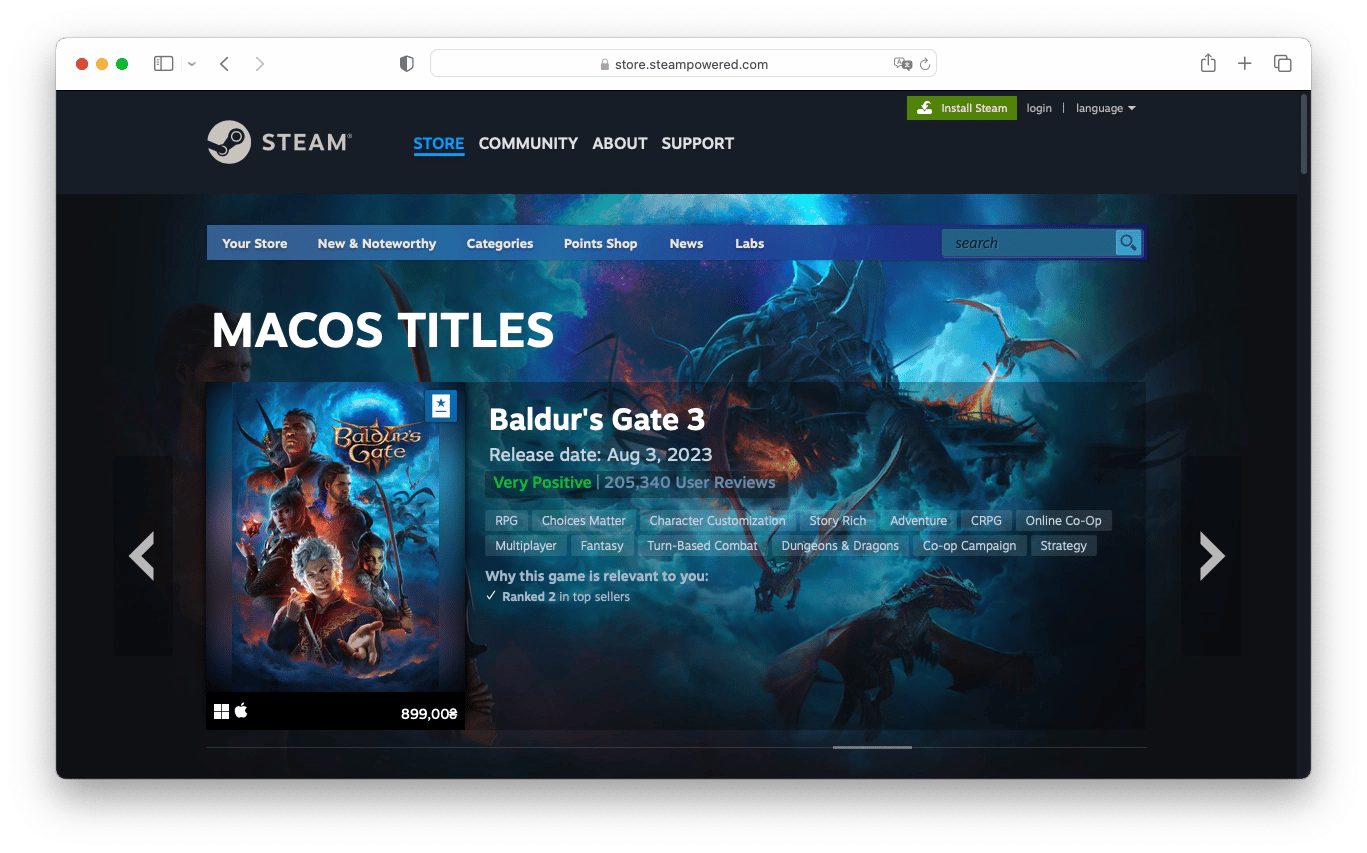
- Q: Can Macs run Steam games natively, or do I always need workarounds?A: Yes, absolutely! Macs can definitely run many Steam games natively, which means you just download and play them directly through the Steam client, just like on a PC. Valve and many game developers actively support macOS versions of their games. This is usually the best and easiest way to game on your MacBook. You simply check for the Apple logo on a game's store page to confirm native compatibility. Apple Silicon Macs, specifically, have seen a significant increase in native game ports and optimized titles, especially since 2024. Developers are increasingly targeting the M-series chips directly, leading to fantastic performance without needing extra software. Keep an eye on new releases for excellent native Mac support.
- Q: What's the difference between native gaming and using emulation or virtualization on a MacBook?A: This one used to trip me up too, so let's clarify! Native gaming means the game was specifically built or optimized to run directly on macOS and your Mac's hardware. It uses your Mac's full power without translation layers. Think of it like a book written in English that you read directly. Emulation or virtualization, on the other hand, involves software that creates a virtual Windows environment on your Mac or translates Windows game instructions into macOS commands. It's like reading a book translated from another language; it works, but sometimes a bit is lost in translation, impacting performance. Tools like Parallels Desktop, CrossOver, or Boot Camp (for Intel Macs) fall into this category, allowing you to play Windows-only games. They open up a huge library, but often at a performance cost.
- Q: Do I need to buy extra software or hardware to start playing Steam games on my Mac?A: For many native Mac-supported Steam games, you don't need any additional purchases beyond the game itself and your MacBook. You download the Steam client, buy your game, and you're good to go. However, if you want to play Windows-only games, you will likely need to invest in supplementary software. Options include Parallels Desktop or VMWare Fusion for virtualization, or CrossOver for a compatibility layer that streamlines the process. For older Intel Macs, Boot Camp (a free utility from Apple) lets you install Windows directly, but it does require a Windows license. External hardware like gaming controllers or faster internet for cloud gaming can certainly enhance your experience, but they are not strictly mandatory to begin. You've got options depending on what you want to play!
- Q: Will my MacBook Pro M3 handle modern AAA games, or is it mostly for indie titles?A: That's a fantastic question, and you'll be happy to hear that your MacBook Pro M3 is a serious contender for modern AAA games! The M3 chip, especially the Pro and Max variants, features incredibly powerful integrated GPUs that rival many dedicated graphics cards from just a few years ago. While not every AAA title will run flawlessly at ultra settings, many recent games optimized for Apple Silicon run beautifully, often at high frame rates and respectable resolutions. For titles not natively supported, virtualization or compatibility layers also perform much better on M3 Macs than on previous generations. You will find that your M3 is perfectly capable of delivering a great gaming experience across a wide range of indie and graphically demanding AAA games. Just ensure the game has a native Mac port or is well-optimized for a compatibility layer.
Intermediate / Practical & Production
Okay, now that we've covered the basics, let's get into the nitty-gritty of making your Mac gaming experience truly shine. This is where we fine-tune things and explore some more advanced options to tackle those tricky performance issues. Remember, every little tweak can make a difference, and it's all about finding the sweet spot for your specific machine and game. Don't be afraid to experiment a bit; that's part of the fun!
- Q: How can I improve game performance (FPS, lag) on my MacBook? (Settings optimization)A: Improving game performance on your MacBook, especially for FPS and lag, often comes down to smart settings optimization. First, always ensure your macOS is up-to-date, and close all unnecessary background applications. Within the game, dive into the graphics settings. Reduce texture quality, shadow detail, anti-aliasing, and view distance first. Lowering the resolution is another significant FPS booster, often offering the best trade-off. For competitive games, prioritizing frame rate over visual fidelity is key. Many games also offer a 'Performance Mode' or 'Low Settings' preset which is a great starting point. Remember to monitor your Mac's temperatures; if it's getting too hot, thermal throttling can reduce performance. Consider using a utility to manage fan speeds if available. You'll be amazed at the difference small adjustments can make.
- Q: What's the best way to play unsupported Windows-only games? (Boot Camp vs. Parallels)A: Choosing between Boot Camp and Parallels for unsupported Windows-only games depends heavily on your Mac's chip. For Intel-based MacBooks (which are becoming less common by 2026), Boot Camp is often superior for raw performance. It allows you to install Windows directly onto a separate partition, giving Windows full access to your hardware. This minimizes overhead, delivering near-native Windows gaming speeds. However, you must reboot into Windows each time you want to play. For Apple Silicon Macs, Boot Camp is not an option. Here, Parallels Desktop shines by running a virtualized Windows ARM environment directly within macOS. While there is a slight performance hit due to virtualization, Parallels has made incredible strides in 2025-2026, offering impressive compatibility and performance for many titles on M-series chips. It provides the convenience of switching between macOS and Windows seamlessly. CrossOver is another excellent option for Apple Silicon, translating Windows APIs to macOS without full virtualization, often yielding better performance for specific games.
- Q: How do cloud gaming services like GeForce NOW work on Mac, and are they any good?A: Cloud gaming services like GeForce NOW are absolute game-changers for Mac users, especially those with less powerful integrated graphics. The concept is simple: the game runs on powerful servers in a data center, and a video stream of the game is sent to your MacBook, while your inputs (keyboard, mouse, controller) are sent back to the server. Your Mac simply acts as a display and input device. The quality and responsiveness entirely depend on your internet connection – a stable, high-speed connection (fiber optic is ideal) is crucial for a smooth, lag-free experience. By 2026, these services offer incredible resolution and frame rates, allowing even base model MacBooks to play the most demanding AAA titles at max settings. They are fantastic for trying out games without huge downloads or for enjoying graphically intense titles your Mac couldn't handle locally.
- Q: Are external GPUs (eGPUs) still relevant for Mac gaming in 2026?A: Unfortunately, external GPUs (eGPUs) have become largely irrelevant for Mac gaming, especially with the widespread adoption of Apple Silicon. While eGPUs offered a performance boost for some older Intel-based MacBooks, Apple officially dropped eGPU support for all M-series Macs. The integrated GPUs within Apple Silicon chips, like the M3 Pro and Max, are so powerful and efficiently integrated that an external GPU would offer little benefit even if supported. Plus, the tight integration of Apple's unified memory architecture makes external graphics a complex engineering challenge. So, if you're rocking an M-series Mac, don't worry about eGPUs; focus on native optimizations, cloud gaming, or virtualization solutions instead.
- Q: What about ping and lag in online multiplayer on macOS, can it be fixed?A: Ping and lag in online multiplayer can certainly be frustrating, but many common issues aren't specific to macOS itself. The biggest culprit is often your internet connection. First, always use a wired Ethernet connection instead of Wi-Fi if possible; it provides a more stable and lower-latency connection. Close any bandwidth-intensive applications running in the background, like streaming services or large downloads. Ensure your router's firmware is up to date and consider enabling Quality of Service (QoS) settings to prioritize game traffic. Sometimes, the game server location can be the issue; try playing on servers closer to your geographical region. While macOS itself is efficient, these network factors are usually the main drivers of ping and lag, so addressing them systematically will make a big difference.
- Q: How do I fix FPS drops and stuttering when a game generally runs well?A: FPS drops and stuttering, especially when a game normally runs smoothly, can be maddening. It often indicates a temporary bottleneck. First, ensure your Mac isn't overheating; thermal throttling is a common cause. Check for background processes consuming CPU or GPU resources unexpectedly. Sometimes, a simple restart of the game or even your Mac can clear up memory leaks or rogue processes. If using an external display, ensure its refresh rate is correctly set and matches your game's FPS target. Update your game and macOS to the latest versions, as patches often include performance fixes. Also, for games running through compatibility layers like CrossOver, ensure you have the latest version, as they frequently release updates improving game stability and performance.
Advanced / Research & Frontier 2026
Alright, you're becoming a seasoned Mac gamer now! It's time to dive into some deeper waters, exploring the edges of what's possible and understanding the underlying tech. As an AI engineering mentor, I love digging into these frontier topics. This is where you can truly push your MacBook's capabilities and understand the future direction of gaming on Apple's ecosystem. Let's get strategizing!
- Q: What are the pros and cons of using Wine or CrossOver for unsupported Windows titles?A: Using Wine or CrossOver for unsupported Windows titles on your Mac offers a unique set of advantages and disadvantages. The main pro is convenience: you can often run Windows games directly from macOS without installing a full operating system. This saves disk space and avoids rebooting, making it feel very native. Performance can also be surprisingly good for many titles, sometimes even outperforming virtualization, as there's no full OS overhead. CrossOver, in particular, by 2026, has highly optimized profiles for hundreds of popular games. However, the biggest con is compatibility roulette; not every game works, and some might have graphical glitches or crashes. Setting up complex titles can sometimes require a bit of tinkering. It's a fantastic option, especially for older titles or less demanding games, but it requires patience and a willingness to troubleshoot.
- Q: How do I effectively monitor my MacBook's performance while gaming to diagnose issues?A: Effectively monitoring your MacBook's performance while gaming is crucial for diagnosing issues like FPS drops or stuttering. The built-in Activity Monitor (found in Utilities) is a great starting point; keep an eye on CPU, GPU (if visible), and memory usage. However, for more detailed gaming metrics, you will want dedicated tools. Third-party utilities like Stats (a free open-source app) can display real-time CPU/GPU temperatures, fan speeds, and even per-core utilization in your menu bar. For an in-game FPS counter, many Steam games have a built-in option in the Steam Overlay settings. For more advanced users, tools like Apple's Instruments (part of Xcode) can provide deep system-level insights into bottlenecks, though it's more developer-focused. Understanding these metrics helps you pinpoint whether a game is CPU, GPU, or memory-bound, guiding your optimization efforts.
- Q: Can I optimize my Mac's drivers for better game compatibility or performance?A: This is a common question from PC users transitioning to Mac, and the answer is a bit different for macOS. On a Mac, you generally don't manually update individual 'drivers' for your GPU or other hardware in the same way you would on Windows. Instead, all graphics drivers and hardware optimizations are tightly integrated into the macOS operating system updates. When you update macOS, you're simultaneously updating all relevant drivers. So, the best way to ensure you have the latest optimizations for game compatibility and performance is simply to keep your macOS version up to date. Apple actively works with game developers to ensure optimal performance with their chips, and these improvements are delivered via OS updates. There are no separate 'gaming drivers' to install.
- Q: What's the future of AAA gaming on Apple Silicon in 2026 and beyond?A: The future of AAA gaming on Apple Silicon in 2026 and beyond looks incredibly promising! We've already seen a significant uptick in native AAA ports, driven by Apple's robust Game Porting Toolkit and continuous improvements in the Metal graphics API. Major developers are now taking Apple Silicon seriously, recognizing the sheer power and efficiency of chips like the M3 and future M4 generations. Expect more titles to arrive with native support, often with impressive optimizations that take full advantage of the unified memory architecture. Cloud gaming will also continue to evolve, offering an alternative for those games that don't get native ports. Apple is clearly committed to making the Mac a more viable gaming platform, and the ongoing hardware and software advancements point to a bright future for demanding titles.
- Q: How can I stream my gameplay from my MacBook effectively to platforms like Twitch or YouTube?A: Streaming your gameplay from your MacBook effectively is totally doable, and by 2026, the tools are excellent. First, you'll need reliable streaming software like OBS Studio, which has excellent macOS support and is free. Ensure your internet upload speed is sufficient (at least 10-15 Mbps for 1080p streaming). For performance, try to use your MacBook's hardware encoder (Apple Silicon Macs have excellent media engines for this) within OBS settings, which offloads the encoding from your main CPU/GPU, minimizing impact on game performance. If you're running games through virtualization, ensure your streaming software can capture the virtual machine's window or display. External microphones and webcams can significantly improve production quality, but even your MacBook's built-in ones can get you started. Remember to test your stream settings before going live to ensure a smooth broadcast. You're ready to share your gaming adventures with the world!
Quick 2026 Human-Friendly Cheat-Sheet for This Topic
Alright, you've absorbed a ton of great info, and that's fantastic! Here's a quick, friendly rundown of the key takeaways to keep in your back pocket. Think of it as your personal Mac gaming mantra to keep things smooth and fun. You've totally got this, my friend!
- Always check for native macOS compatibility first. It's usually the easiest and best-performing option.
- For demanding games, seriously consider cloud gaming services like GeForce NOW; they are powerful!
- Optimize your in-game graphics settings aggressively to balance visuals with smooth frame rates.
- Keep your macOS updated regularly; Apple's updates include crucial game performance improvements.
- Close all unnecessary background apps before launching a game to free up precious resources.
- Use a wired Ethernet connection for online multiplayer to reduce lag and improve stability.
- Explore virtualization (Parallels, CrossOver) or Boot Camp (Intel Macs) for Windows-only titles if you must play them.
Native macOS gaming on Steam, cloud streaming for demanding titles, Boot Camp for Windows games, virtualization with Parallels or CrossOver, optimizing game settings for performance, external GPU compatibility in 2026, Apple Silicon M-series performance analysis, troubleshooting FPS and lag issues.
35
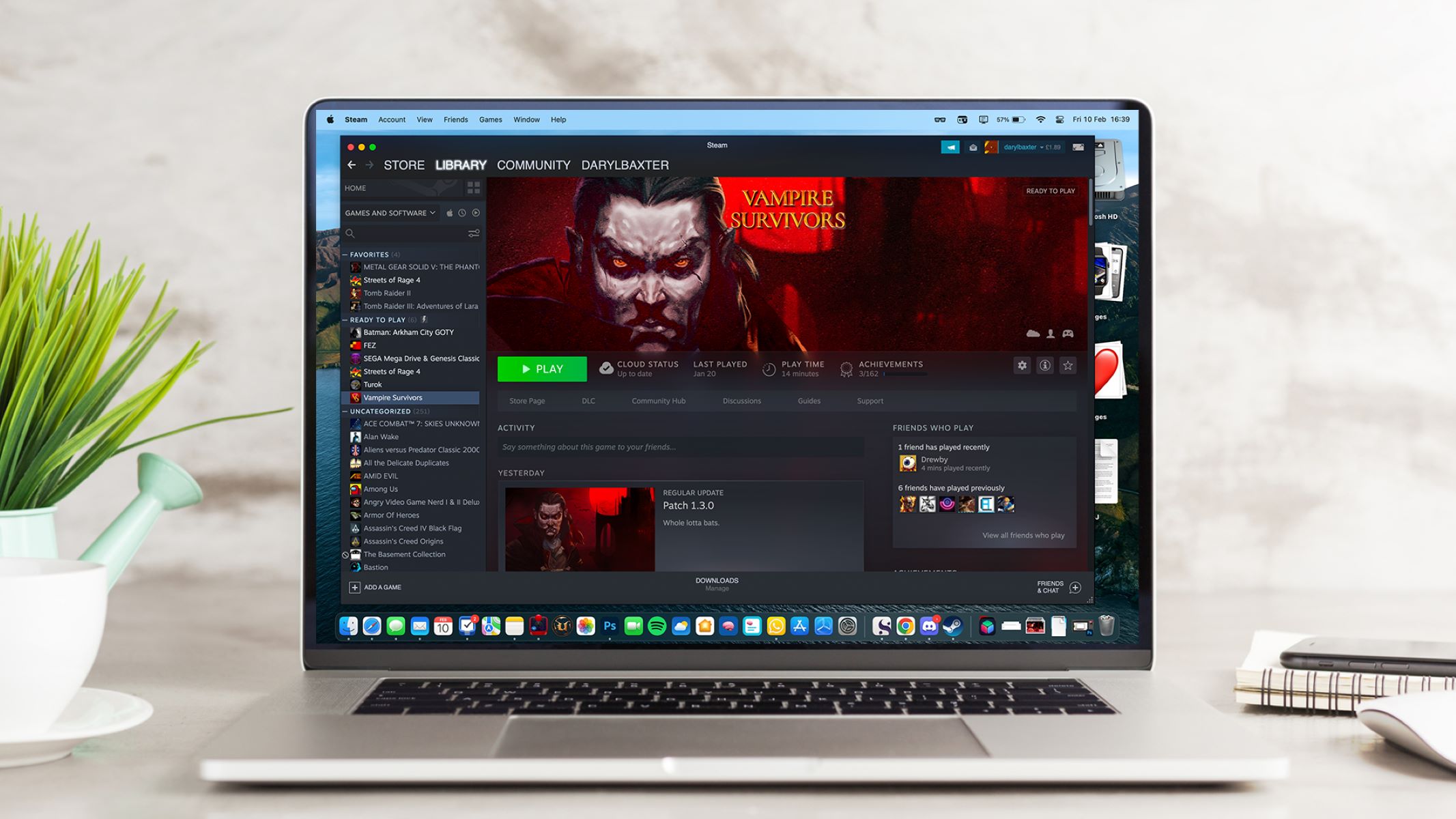


How To Play Steam Games On Mac Easy Guide YouTube . How To Use A Game Controller On Mac With Steam Robots Net How To Play Windows Steam Games On Mac 1693978261 . How To Use Steam On Mac To Download Install And Play Games Macworld How To Use Steam Mac 7 Filter 1280 . How To Use Steam On Mac To Download Install And Play Games Macworld How To Use Steam Mac 8 Install 1280 . How To Play Steam Windows Games On Mac YouTube
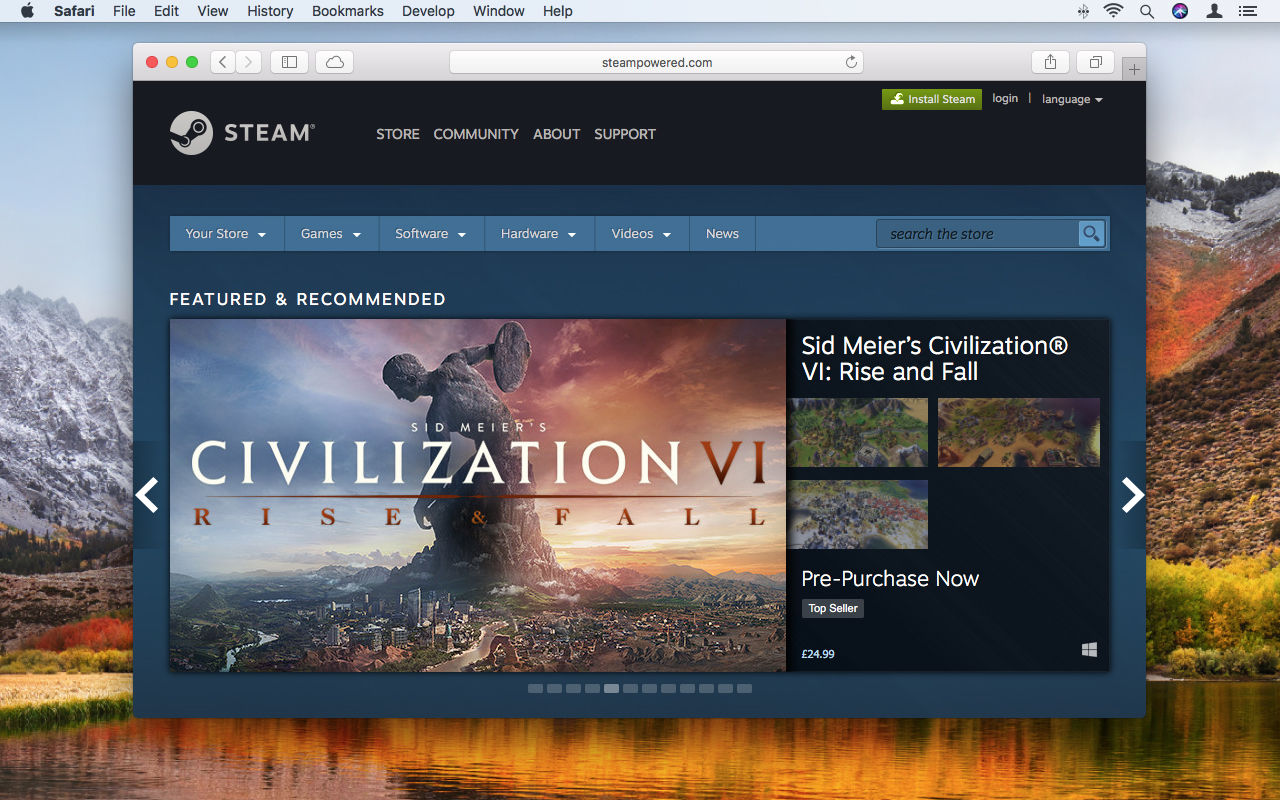


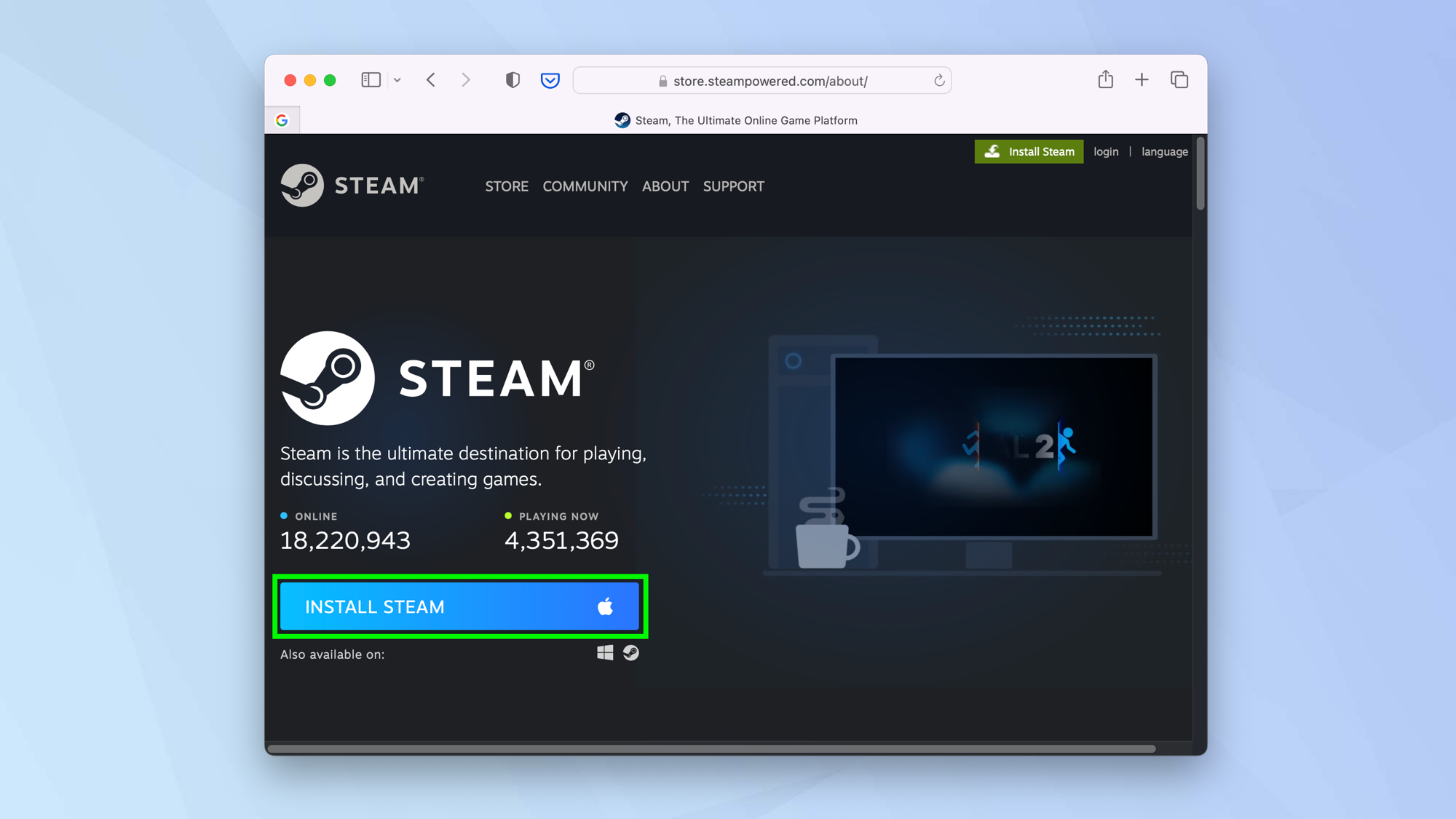
How To Use Steam On Mac To Download Install And Play Games Macworld How To Use Steam Mac 1 Website 1280 . How To Install Steam On Mac Easy Step By Step Tutorial Game On Mac . How To Play Steam Games On MAC YouTube Hqdefault . How To Use Steam On Mac To Download Install And Play Games Macworld How To Use Steam Mac 2 Downloads Button 1280 . How To Install Steam On Mac Tom S Guide

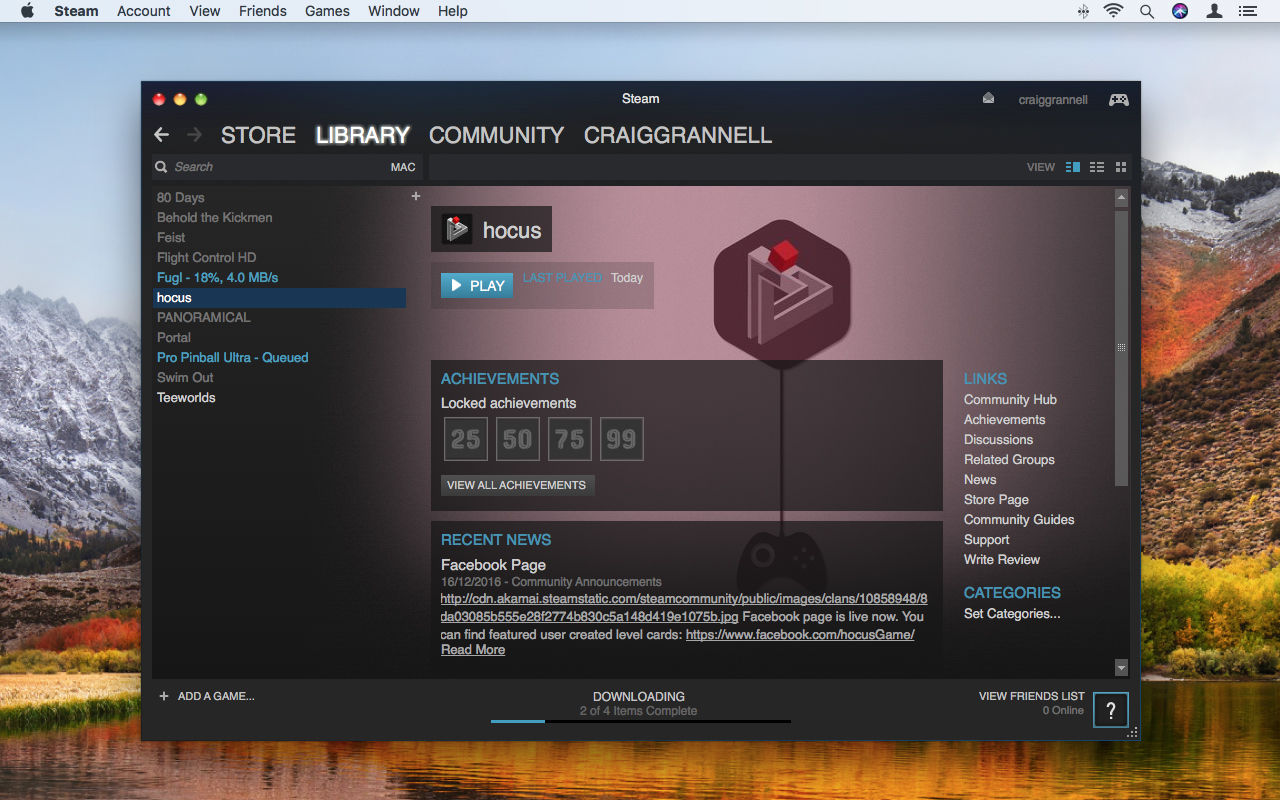


:max_bytes(150000):strip_icc()/Finish-c151ca2cc717410c8cb4d99e73411b5f.jpg)
How To Download Steam Games On A Mac Using Steam On MacOS 4 1024x640 . How To Use Steam On Mac To Download Install And Play Games Macworld How To Use Steam Mac 9 Sidebar 1280 . How To Download Steam Games On A Mac Using Steam On MacOS 1 1024x640 . How To Download Steam Games On Mac IMore Enter Steam . How To Play Windows Games On A Mac Finish
:max_bytes(150000):strip_icc()/Library-c4148819ec6f47d5a98ba8e88c996950.jpg)

How To Play Steam Games On A Mac Steam On Macbook Guide YouTube . How To Download And Install Steam Games On A Mac How To Download And Install Steam Games On A Mac 12 . How To Play Windows Games On A Mac Library . How To Play Steam Windows Games On Mac Best Method YouTube . How To Download And Install Steam Games On An Apple Mac Using Steam On MacOS 3



How To Install And Play Steam Games On Mac YouTube . Gaming On Mac How To Get The Perfect Setup Steam Gaming.webp. How To Play Steam Games On Mac Search Mac Games Steam.webp. Easy Ways To Play Windows Games On Mac Steam With Pictures V4 460px Play Windows Games On Mac Steam Step 28 . Steam On Mac How To Install Play Top Games And Save Big AD 3Qsc7tQ ZYqUOVri4w



How To Play Steam Games On Mac How To Install Steam On Mac.webp. How To Play Steam Games On Mac Article Bar Image Md@3x . How To Play Steam Games On Mac Box Logo Setapp New Dark . How To Play Steam Games On Mac How To Play Xbox On A Mac 1920 646 . How To Play Steam Games On Mac Article Bar Image Lg@2x

:max_bytes(150000):strip_icc()/Applegames-12035dfa6cae4ff894fd95a624e95464.jpg)
How To Install Steam On Mac Tom S Guide 1024 80 . How To Play PC Steam Games On A MAC YouTube . How To Play Windows Games On A Mac Applegames . You Can Finally Play All Of Your Steam Games On A Mac With Steam Link 1200 80 . How To Install Steam On MacOS Sequoia Free To Play MacOS Titles 1024x642