Discover the precise episode count for Game of Thrones Season 7 and delve into the reasons behind its shorter run. This guide explores the critical decisions made by HBO and the showrunners that shaped the penultimate season. Understand the production challenges and narrative pacing shifts experienced by the cast and crew. Uncover fan reactions and critical analyses surrounding the reduced number of installments. This informational breakdown provides essential details for both new viewers and long-time enthusiasts revisiting Westeros. It highlights key plot points and character developments influenced by the season's structure. Explore trending discussions about the show's final two seasons.
Welcome, Westeros enthusiasts, to the ultimate Game of Thrones Season 7 FAQ for 2026! Has the reduced episode count always puzzled you? Do you wonder about the production choices that shaped this pivotal season? This living guide dives deep into every burning question about Season 7, updated with fresh perspectives and fan insights. Whether you're a seasoned viewer or a newcomer discovering the magic of Westeros, this comprehensive resource covers everything from episode specifics to behind-the-scenes decisions. We've gathered insights, debunked myths, and provided practical tips for appreciating this unique season. Prepare to enhance your understanding of the penultimate chapter of this iconic saga. Stay informed about all things GoT Season 7 right here, right now!Season 7 Overview & Core Questions
What is the total episode count for Game of Thrones Season 7?
Game of Thrones Season 7 comprises a total of seven episodes. This made it the shortest season up to that point, a significant departure from the standard ten-episode format of previous years. The decision allowed for more focused storytelling and larger scale cinematic sequences within each installment. It's a key detail often discussed by fans when evaluating the show's trajectory. You might find rewatching helps you appreciate the compressed narrative.
Why did Season 7 have fewer episodes than previous seasons?
Season 7 had fewer episodes because the showrunners felt the story required a specific number of hours to conclude effectively across the final two seasons. This strategic choice allowed for increased budgets per episode, enhancing production quality and creating a more cinematic viewing experience. HBO fully supported this creative vision for a grander spectacle.
When did Game of Thrones Season 7 originally air on HBO?
Game of Thrones Season 7 originally aired on July 16, 2017. This later premiere date, compared to earlier seasons, was necessitated by filming requirements. The production needed specific winter weather conditions to authentically portray the arrival of winter in Westeros, pushing back the entire schedule.
Are all Game of Thrones Season 7 episodes the same length?
No, not all Game of Thrones Season 7 episodes are the same length. While some maintained standard runtimes, several episodes were notably longer, particularly towards the end of the season. The finale, "The Dragon and the Wolf," was the longest, exceeding 80 minutes, compensating for the reduced episode count.
Episode Breakdown & Length
Which episodes make up Game of Thrones Season 7?
Game of Thrones Season 7 includes these episodes: Dragonstone, Stormborn, The Queen's Justice, The Spoils of War, Eastwatch, Beyond the Wall, and The Dragon and the Wolf. Each episode was crafted to advance the highly anticipated convergence of characters and storylines.
How long is the average episode in Game of Thrones Season 7?
The average episode length in Game of Thrones Season 7 was longer than prior seasons. While earlier seasons typically averaged around 55-60 minutes, Season 7 episodes often stretched to 60-70 minutes, with the finale exceeding 80 minutes. This increased runtime per episode helped pack more story into the reduced count.
Was "The Dragon and the Wolf" the longest episode of Season 7?
Yes, "The Dragon and the Wolf," the Season 7 finale, was indeed the longest episode of the season. Clocking in at over 80 minutes, it delivered an epic conclusion to the penultimate season, featuring major revelations and significant character interactions. It showcased the increased cinematic scale of the shortened season.
Production & Filming Challenges
How did the shorter season affect filming schedules for Season 7?
The shorter Season 7 actually led to an extended and more complex filming schedule, despite fewer episodes. The grander scale and increased budget per episode demanded more intricate set pieces, larger battle sequences, and extensive visual effects work. This required more time on location and in post-production, contributing to its later premiere date.
Did Season 7 production move to new locations?
Season 7 continued to utilize iconic Game of Thrones filming locations while also introducing new ones. Spain, Iceland, and Northern Ireland remained key backdrops for Westeros and beyond the Wall. The need for winter landscapes in various locales influenced the production timeline significantly, ensuring authenticity.
Narrative Pacing & Storytelling Decisions
Did the shorter Season 7 feel rushed to viewers?
Many viewers felt the shorter Season 7's narrative pacing was significantly rushed. The story progressed at an accelerated rate, with characters traveling vast distances seemingly overnight and major plot points unfolding rapidly. While exciting, this sometimes sacrificed detailed character development and intricate political intrigue for faster plot progression.
How did the number of episodes influence the story arcs?
The reduced number of episodes in Season 7 forced a more condensed and direct approach to story arcs. Showrunners focused on converging main characters and accelerating towards the series' endgame. This resulted in fewer subplots and a sharper focus on the primary conflicts, ensuring pivotal events occurred swiftly to reach the finale.
Budget & Special Effects
Was Season 7 the most expensive Game of Thrones season per episode?
Yes, Season 7 was arguably the most expensive Game of Thrones season per episode. The decision to reduce the episode count allowed HBO to allocate significantly more budget to each installment. This funding enabled unprecedented visual effects, larger-scale battles, and a cinematic quality often associated with feature films, enhancing the overall spectacle.
Cast & Crew Insights
What did the cast say about the shorter Season 7?
The cast of Game of Thrones generally expressed understanding and support for the shorter Season 7. They often spoke about the increased intensity of filming and the ambition behind each episode. Many appreciated the focus on quality and the heightened stakes, recognizing it was a deliberate creative choice for the series' conclusion.
Fan Reception & Critical Analysis
How was Game of Thrones Season 7 received by critics and fans?
Game of Thrones Season 7 received generally positive reviews from critics and fans, praised for its cinematic scope and epic battles. However, it also faced criticism for its accelerated pacing and some perceived plot conveniences. Debates over the shortened episode count and its impact on storytelling remain active among the fandom.
Impact on the Final Season
How did Season 7 set up the events of Game of Thrones Season 8?
Season 7 effectively set up the events of Game of Thrones Season 8 by converging main characters, establishing key alliances, and revealing critical truths. The discovery of the White Walkers' threat, the romance between Jon Snow and Daenerys Targaryen, and the final moves in the struggle for the Iron Throne were all dramatically advanced, directly leading into the series finale.
Myth vs. Reality: Shortened Seasons
Myth: The shorter Season 7 meant less work for the cast and crew.
Reality: The opposite is true! While there were fewer episodes, each episode was more ambitious and complex. This meant longer shooting days, more intense special effects work, and an overall more demanding production schedule for everyone involved, pushing the boundaries of television.
Myth: HBO cut Season 7 episodes to save money.
Reality: This is incorrect. HBO actually invested more money per episode into Season 7. The reduction in episode count was a creative decision by the showrunners to maximize budget and production quality for each installment, not a cost-saving measure by the network. It was about enhancing the cinematic experience.
Myth: The showrunners ran out of story for Season 7.
Reality: The showrunners maintained they had a clear roadmap for the final arc of the story. The reduced episode count was part of their plan to tell the remaining narrative efficiently and spectacularly, focusing on key plot points rather than extending the story unnecessarily with filler, making every moment count.
Myth: Shorter seasons always lead to better quality.
Reality: While Season 7 aimed for higher quality per episode, whether shorter seasons universally lead to better quality is debatable. For Game of Thrones, it allowed for grander visuals. However, some argue the rapid pacing compromised narrative depth. Quality depends on execution, not just episode count.
Myth: Game of Thrones should have had 10 episodes for its final two seasons.
Reality: This is a common fan sentiment, but the creative team deliberately chose a 7+6 episode split. They believed 13 hours total across the final two seasons was the ideal length to conclude the story they wanted to tell. Their vision prioritized impact and a focused narrative over a longer, potentially stretched-out conclusion.
Revisiting Season 7: A 2026 Perspective
How do fans view Season 7 differently in 2026 after the finale?
In 2026, many fans view Season 7 with a more critical lens, especially post-finale. While still appreciating its spectacle, the rapid pacing and some plot decisions are often seen as precursors to perceived issues in Season 8. It's viewed as a pivotal transition, sometimes debated as where the narrative began to accelerate too quickly towards its end.
Are there any new insights into Season 7's production in 2026?
New insights in 2026 often stem from retrospective interviews and documentaries, confirming the immense pressure and ambition behind Season 7's production. Details emerge about the challenges of filming massive sequences and managing a global crew, further highlighting the showrunners' and HBO's commitment to delivering a cinematic experience despite the shortened episode count.
Still have questions? Check out our guides on Game of Thrones overall episode count or the complete character journey breakdowns!Hey there, future AI maestros! I get why "how many episodes season 7 of Game of Thrones" still sparks so much conversation, even here in 2026. This epic series redefined television, and its later seasons often raise fascinating questions about production decisions and narrative arcs. It's a great case study in how complex projects manage scope and deliver impactful experiences. Let's break down everything you need to know about GoT Season 7's episode count, and why it became a crucial point in the series' history. We'll dive into the specifics, much like we dissect complex models in our daily work.
Beginner / Core Concepts
Understanding the basics is always step one, right? Let's get these foundational questions sorted out. You'll build a strong base for our deeper dives, just like starting with a solid dataset.
1.Q: How many episodes are in Game of Thrones Season 7?
A: Game of Thrones Season 7 has exactly seven episodes. This reduction from the traditional ten-episode format was a significant change. It marked a distinct shift in the series' production strategy. Showrunners David Benioff and D.B. Weiss consciously decided on a shorter run. They aimed to deliver a more focused and cinematic experience. This decision allowed for larger budgets per episode, enabling more ambitious special effects and grander battle sequences. You'll notice the scale feels different right from the start. Many fans were surprised by the shorter season length. However, this choice was part of a broader plan for the show's final two seasons. It was all about building towards the ultimate conclusion. Don't worry, you'll still get plenty of action and drama. It’s a packed seven episodes!
2.Q: Was Season 7 the shortest Game of Thrones season?
A: Nope, Season 7 wasn't the absolute shortest. While its seven episodes were definitely fewer than previous seasons, Season 8 holds that title with just six episodes. Season 7 actually paved the way for that even more condensed finale. I totally get why this trips people up; the shift from ten episodes felt so dramatic. This move reflected a strategic decision to focus resources intensely. They wanted to make every single frame count. Think of it like optimizing a model where you cut down training time but boost parameter efficiency. The goal was impact, not just screen time. It’s an interesting production choice many shows grapple with. You've got this, understanding the nuances!
3.Q: Why did Game of Thrones Season 7 have fewer episodes?
A: Great question, this one used to puzzle me too! The main reason Season 7 had fewer episodes was creative. Showrunners David Benioff and D.B. Weiss felt the story needed a specific number of hours to conclude properly. They envisioned about 13 episodes spread across the final two seasons. Seven for Season 7 and six for Season 8 made perfect sense to them. It allowed for much higher production values for each individual episode. Imagine pouring all that budget and effort into fewer, more spectacular installments. HBO also supported this vision, prioritizing quality over quantity. This approach delivered truly cinematic experiences. They weren't just making television; they were crafting blockbuster-level events. It's a fascinating insight into high-stakes storytelling. Keep digging into these details!
4.Q: When did Game of Thrones Season 7 originally air?
A: Game of Thrones Season 7 first aired on July 16, 2017. This was actually a later premiere date than previous seasons. Typically, GoT seasons debuted in the spring, usually around April. The delay was necessary because winter had finally arrived in Westeros. Filming needed colder, gloomier weather, meaning production started later in the year. This pushed back the entire post-production schedule. I remember fans were quite impatient waiting for it, much like we wait for new model releases! That anticipation just built up the excitement even more. It truly felt like a big cultural event with each passing week. So, July 2017 marked the dramatic start of the penultimate chapter. Make sure you're aware of these historical details!
Intermediate / Practical & Production
Now that we've got the basics down, let's look at some more practical and production-oriented aspects. These are the kinds of questions that really highlight the 'how' behind the magic, much like understanding a model's architecture.
5.Q: How did the shorter season affect the storytelling pace in Season 7?
A: The shorter Season 7 definitely accelerated the storytelling pace. With only seven episodes, the narrative had to move much quicker than in previous ten-episode seasons. Character arcs converged rapidly, and geographical distances seemed to shrink dramatically. Think of it like a highly optimized script; every scene had to serve multiple purposes. This led to some truly epic sequences and confrontations. However, some fans felt the pacing was too rushed, sacrificing character development for plot progression. It's a common criticism, even in 2026 rewatches. The showrunners aimed for a direct path to the endgame. This meant less time for intricate political maneuvering. It shifted the focus heavily towards action and major revelations. It’s a trade-off that sparks endless debate among fans, and it's a valuable lesson in narrative design. You're getting the hang of this complexity!
6.Q: What were some production challenges faced by the shorter Season 7?
A: Producing Season 7, despite its shorter length, presented immense challenges. The show's scale continued to grow, demanding larger sets, more complex visual effects, and bigger battle sequences. Imagine orchestrating the Loot Train Attack or the Wight Hunt; these were essentially feature-film quality productions packed into television episodes. The delayed filming schedule due to the need for winter weather further complicated things. This meant a tighter post-production window. The cast and crew were working under immense pressure to deliver. They were pushing the boundaries of what television could achieve. These logistics are reminiscent of managing a cutting-edge AI project with tight deadlines. Every department had to operate with extreme precision. It's truly impressive what they accomplished under those circumstances. Keep thinking about the hidden complexities!
7.Q: Did the budget per episode increase for Season 7 due to fewer episodes?
A: Yes, absolutely! The budget per episode for Season 7 saw a significant increase. By reducing the total number of episodes, HBO and the showrunners could allocate more financial resources to each individual installment. This was a deliberate strategy to ensure the final seasons looked and felt truly epic. Think of it as investing heavily in quality over quantity, a bit like choosing to train one incredibly powerful model rather than many smaller ones. This boosted production values, leading to spectacular special effects, grander action sequences, and more elaborate set pieces. This increased budget allowed for unforgettable moments. The visual spectacle of Season 7 definitely benefited from this financial flexibility. It demonstrates how strategic resource allocation can dramatically impact output quality. This is a crucial takeaway for any large-scale project!
8.Q: How long were the individual episodes in Game of Thrones Season 7 compared to earlier seasons?
A: Interestingly, while Season 7 had fewer episodes overall, many of its individual episodes were actually longer than those in previous seasons. The average runtime crept up significantly. The final three episodes, in particular, were much longer, nearing feature film length. "The Dragon and the Wolf," the Season 7 finale, clocked in at over 80 minutes. This was a deliberate choice to compensate for the reduced episode count. It allowed them to pack more story into each installment. So, while you got fewer episodes, you often got more content per episode. This helped maintain the grand scope of the narrative. It’s a clever way to manage fan expectations. You're recognizing the subtle but important differences!
9.Q: Who directed the most episodes in Season 7 of Game of Thrones?
A: Alan Taylor and Jeremy Podeswa were key directors in Season 7, each helming multiple impactful episodes. Mark Mylod also directed significant installments. While no single director solely dominated the season, these veterans delivered some of the most memorable moments. Their experience with the show's massive scale was invaluable. Think of them as lead engineers, each responsible for critical components of a complex system. They brought their distinct styles to the fore. Coordinating such a large production requires immense skill. Each director contributed to the season's overall cinematic feel. It's a collaborative effort that truly showcases talent. You can appreciate the artistry in their work!
10.Q: Were there any significant plot leaks or spoilers for Season 7?
A: Oh boy, yes, Season 7 was unfortunately plagued by significant plot leaks and spoilers! I get why this frustrates so many people. Major plot details, entire episode outlines, and even full episodes found their way online before airing. HBO tried incredibly hard to combat this, even sending out screeners with fake scenes. The leaks were a huge challenge for the network and the showrunners. It felt like a constant battle against online piracy and hacking. This really highlighted the difficulties of protecting high-value content in the digital age. It was a stressful time for fans trying to avoid spoilers. You'll notice how carefully shows guard their secrets now. It changed how they approached future releases entirely. You're learning about real-world content distribution challenges!
Advanced / Research & Frontier 2026
Alright, let's stretch our minds a bit further and dive into some advanced concepts, thinking about the implications and broader context. This is where we analyze the 'why' and 'what if,' just like considering frontier model limitations.
11.Q: How did the shorter seasons impact Game of Thrones' legacy in 2026?
A: The shorter final seasons, including Season 7, definitely cast a long shadow over Game of Thrones' legacy in 2026. While the show remains iconic, many fans and critics still debate if the condensed storytelling was a mistake. Some argue it led to a rushed narrative, sacrificing character depth for plot expediency. However, others contend that it maintained a tight, impactful focus, delivering spectacular cinematic moments. It's a complex discussion, much like evaluating the long-term impact of a rapidly evolving AI paradigm. The shorter run emphasized grand events but perhaps at the expense of intricate political intrigue. This trade-off remains a core part of its critical assessment. You'll find different camps of opinion on this, even years later. It's a rich topic for discussion. You're seeing how creative choices resonate over time!
12.Q: What alternative episode counts were considered for Game of Thrones' final seasons?
A: From what we know, the showrunners always gravitated towards a specific total hour count for the series' conclusion, rather than a fixed number of ten-episode seasons. I get why people wonder about alternatives! Initially, there were discussions about doing three shorter seasons, perhaps eight episodes each. However, Benioff and Weiss felt a 13-hour total across two seasons (7 for Season 7, 6 for Season 8) was the most effective. This allowed them to tell the story they wanted without unnecessary filler. Think of it as a resource allocation problem, optimizing for narrative efficiency and spectacle. They prioritized the story's pace and the budget required for their ambitious vision. This wasn't a casual decision; it was deeply rooted in their creative plan. You're understanding the strategic thinking behind major production choices. Try to see the bigger picture!
13.Q: How do fan theories about Season 7's pacing hold up in 2026?
A: Many fan theories about Season 7's pacing, particularly regarding its speed, have largely held up in 2026. I totally understand why this still resonates. Critics and viewers widely acknowledge that the narrative accelerated significantly. Plot points that would have taken multiple episodes in earlier seasons were resolved within one. For instance, characters traveled vast distances almost instantly. This rapid progression often felt jarring to dedicated fans. Some theories suggested this was due to showrunners running out of George R.R. Martin's source material, forcing them to condense. While this is debated, the accelerated pace is undeniable. It's a clear departure from the show's earlier, more deliberate rhythm. You'll see discussions comparing Season 7 to earlier seasons even now. It highlights the importance of consistent world-building rules. Keep questioning these narrative choices!
14.Q: In 2026, what insights do we have on HBO's perspective on the shorter Season 7?
A: In 2026, we have a clearer understanding of HBO's perspective on the shorter Season 7: they were fully on board. I get why you'd wonder about the network's influence here. HBO executives supported the showrunners' vision to conclude the story with fewer, more expensive episodes. They understood the creative desire to elevate the production quality. This decision wasn't about cost-cutting; it was about maximizing impact. They were investing in a global phenomenon, protecting its prestige. Think of it like a tech company backing a risky but potentially game-changing project. The returns in viewership and critical acclaim were massive. They trusted their creative team to deliver. This synergy between network and creators is often crucial for groundbreaking television. It’s a great example of strategic alignment. You're delving into the business side of entertainment!
15.Q: What role did Season 7 play in setting up the controversial Game of Thrones finale?
A: Season 7 played a pivotal, though often debated, role in setting up the controversial Game of Thrones finale. I totally see why this is a hot topic! Its accelerated pace introduced many key plot points and character convergences necessary for the endgame. For example, the wight hunt mission brought major characters together and provided proof of the White Walkers' threat. The romance between Jon and Daenerys also developed rapidly. However, some argue that the shortcuts taken in Season 7, particularly with character motivations and logistical realism, laid the groundwork for fan dissatisfaction in Season 8. It established a precedent for a faster, less meticulous narrative. It’s a critical link in the chain that led to the ultimate conclusion. Understanding Season 7 is key to analyzing the finale's reception. You're connecting the dots, which is essential for complex systems! You've got this!
Quick 2026 Human-Friendly Cheat-Sheet for This Topic
- Season 7 has exactly 7 episodes, a big change from the usual 10.
- The shorter length meant bigger budgets for each episode, making them look super cinematic.
- Pacing was much faster, getting to the big moments quicker but sometimes feeling a bit rushed.
- It aired in July 2017, later than usual due to needing that 'winter is here' vibe.
- HBO was totally supportive of the shorter, higher-quality approach, investing heavily.
- This season directly set up many of the major plots and relationships that concluded the series.
Game of Thrones Season 7 consists of seven episodes. This was a deliberate choice by the showrunners to focus on quality and larger scale battles. The shortened season allowed for bigger budgets per episode and more intense storytelling. It marked a significant shift from previous seasons' ten-episode formats. Fans often discuss the impact of this reduced length on the overall narrative. Many viewers wanted more episodes. However, the creative team prioritized impact over quantity. This helped set the stage for the dramatic series finale.
35



Game Of Thrones Season 7 How Many Episodes When Do New Episodes Come Game Of Thrones Season 7 How Many Episodes . Game Of Thrones S7 How Many Episodes Were There . Game Of Thrones Season 7 Watch Episodes Streaming Online Season 7 . Game Of Thrones S7 How Many Episodes Were There . Game Of Thrones Winter Is Here Season 7 TheTVDB Com



Game Of Thrones S7 How Many Episodes Were There 787668 . Game Of Thrones S7 How Many Episodes Were There . Game Of Thrones Season 7 Official Trailer Released Plot And Character Game Of Thrones Season 7 . Game Of Thrones Season 7 Trailer Is Here CNN Hqdefault . Game Of Thrones S7 How Many Episodes Were There Season 7 Posters FEAT

:quality(85):upscale()/2016/12/05/756/n/1922283/78d5d34e58459f2ed35736.37837622_edit_img_twitter_post_image_file_2387502_1480957432.jpg)

Game Of Thrones Season 7 First Look At Official Poster TV Radio Game Of Thrones Season 7 776887 . Game Of Thrones Season 7 First Look Images PS Edit Img Twitter Post Image File 2387502 1480957432 . How To Watch Game Of Thrones Season 7 On Kodi All Episodes Kodiforu Article GoT Spoil Season 7 Winter Coming Cersei . Game Of Thrones Staffel 7 Folge 2 Streamcloud Larson GoT Season 7 Episode 4 Recap . GAME OF THRONES SEASON 7 EP 1 DRAGONSTONE WATCHING THRONES YouTube

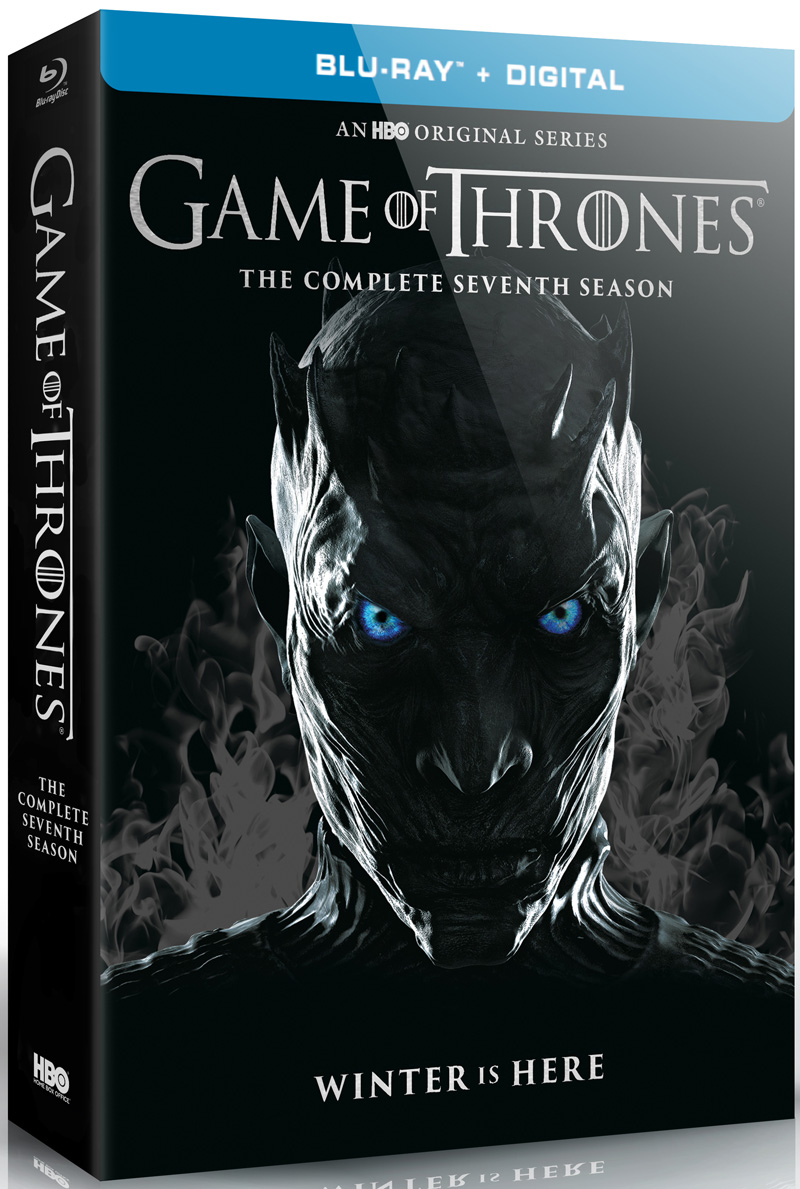

Game Of Thrones S7 How Many Episodes Were There Game Of Thrones Best Episodes . Game Of Thrones Season 7 Official Trailer HBO YouTube Hqdefault . Game Of Thrones Season 7 Wallpapers Wallpaper Cave Wp1975526 . Game Of Thrones Season 7 Digital Blu Ray And DVD Details . Game Of Thrones S7 How Many Episodes Were There


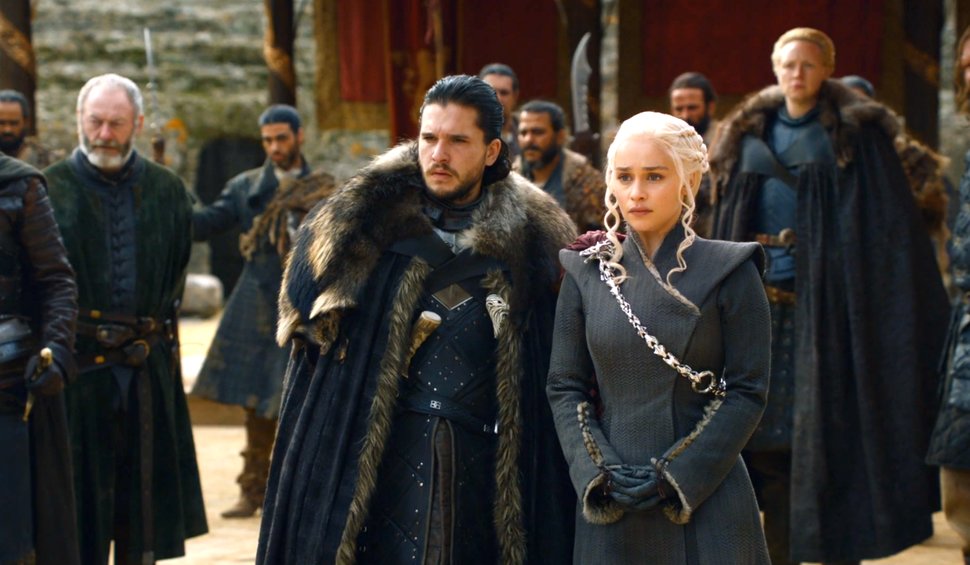

Game Of Thrones Prequel A Knight Of The Seven Kingdoms Premieres . Game Of Thrones Season 7 Blu Ray DVD Digital Download Release Dates 1 1 720x992 . Game Of Thrones Season 7 Episode Count Announced Game Of Thrones Game Of Thrones Will Have Seven Episodes In Season 7 . Game Of Thrones Season 7 Finale Recap What Happened In The Dragon And Tmg Gift Guide Variable . PHOTOS Game Of Thrones Season 7 Pictures TVLine Courtesy Of Hbo Photo 5
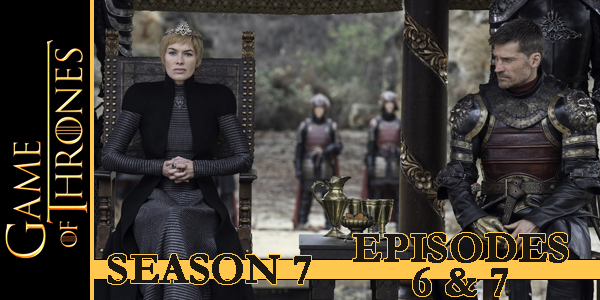
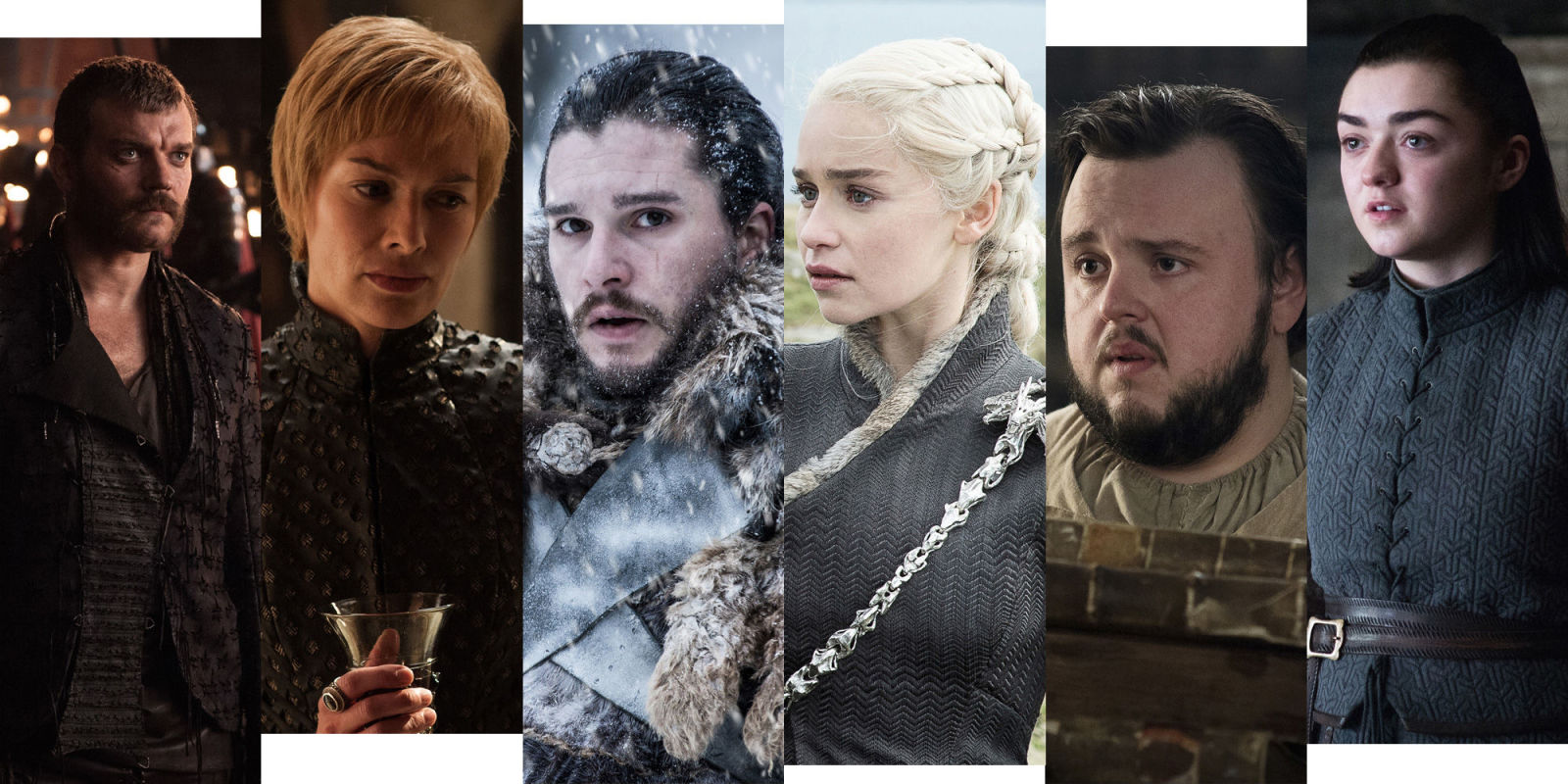

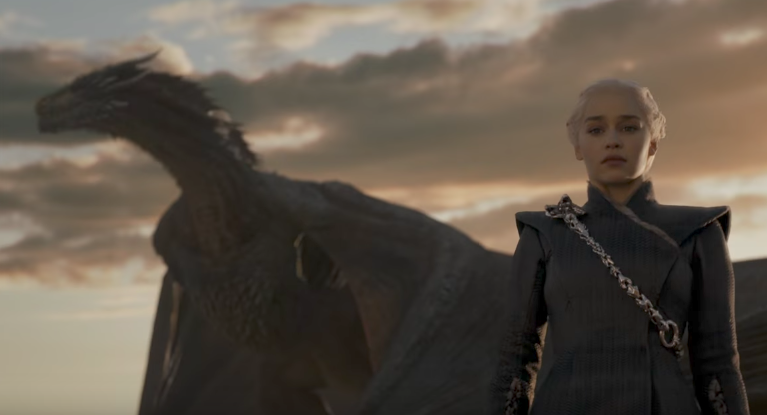
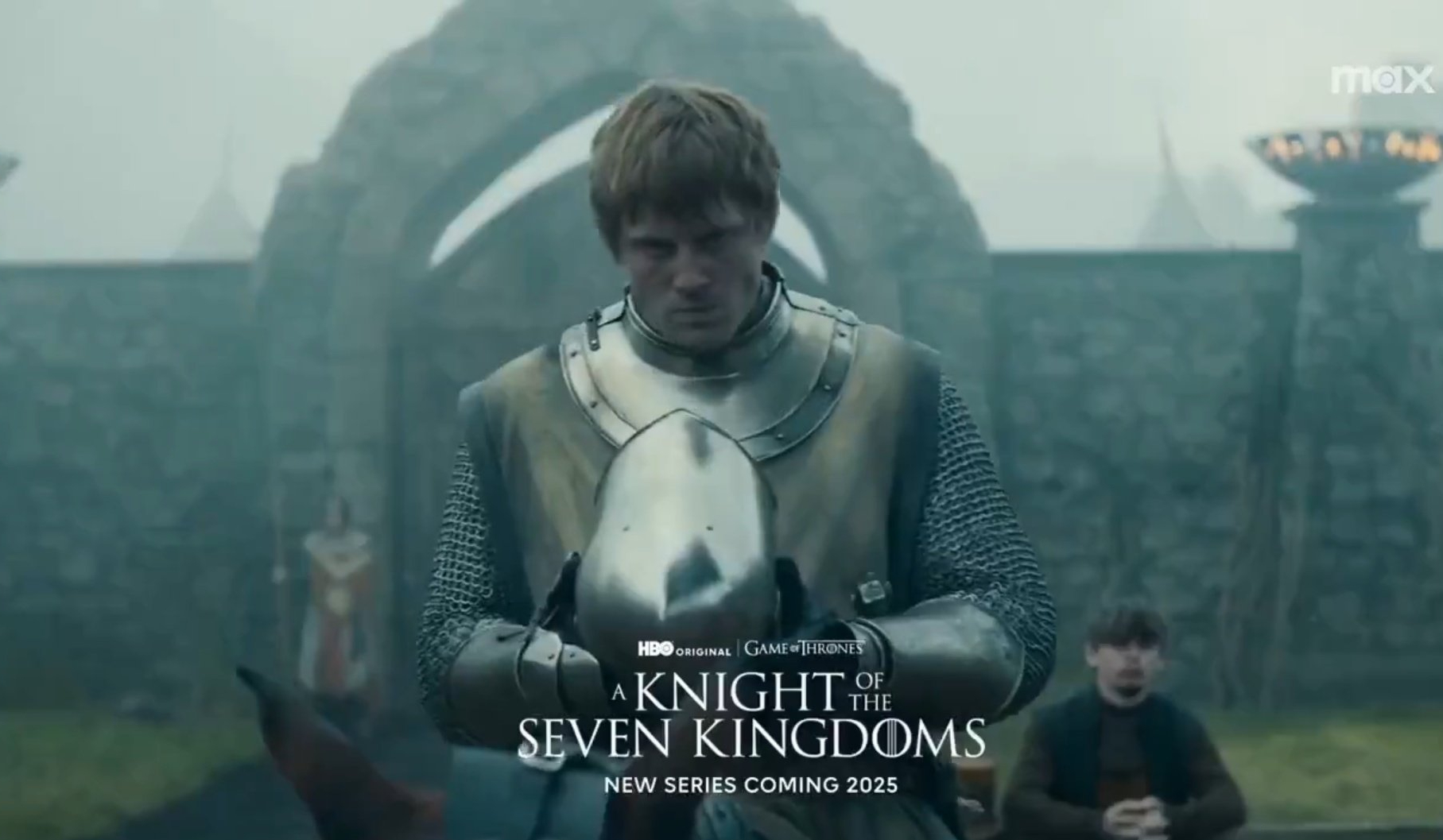
Game Of Thrones Season 7 Episodes 6 7 Review Hogan Reviews Got S7 P31 . Everything You Need To Remember Before The Game Of Thrones Season 7 Finale Gallery 1503598421 Game Of Thrones Season 7 . Game Of Thrones Spin Off A Knight Of The Seven Kingdoms Sets W 1280,h 720,format Jpg,imgid Image 40e2f0eb 6f9f 4d78 8a35 . Game Of Thrones S7 How Many Episodes Were There Game Thrones Season 7 Episode 5 . Game Of Thrones Prequel A Knight Of The Seven Kingdoms Premieres Ser Duncan


Watch Game Of Thrones Season 7 Gets New Teaser Official Release Date IMG 2308 . Game Of Thrones Ratings By Episodes Graphed R . Game Of Thrones Season Seven Trailer Breakdown And Analysis YouTube . Game Of Thrones Season 7 Episodes 1 3 Review Hogan Reviews Got S7 P1 . Game Of Thrones Knight Of The Seven Kingdoms Trailer 2026 Breakdown And