Ever wondered if your trusty hard drive is secretly sabotaging your epic gaming sessions? Many gamers frequently ask, 'can full HDD affect gaming?' The answer is a resounding yes. A near-capacity hard disk drive (HDD) can significantly degrade your PC's performance, leading to frustrating issues like slow load times, frequent stuttering, and even dramatic FPS drops in graphically intensive games. This comprehensive guide will explore the mechanisms behind these problems, offering practical tips and settings optimization strategies to help you reclaim smooth, uninterrupted gameplay. We'll delve into how a full drive impacts game asset loading, virtual memory, and system responsiveness. Understanding these factors is crucial for maintaining a high-performing gaming rig, especially with today's expansive titles. Learn how to diagnose issues, free up valuable space, and optimize your system for an enhanced gaming experience. This informational resource ensures you stay ahead of potential bottlenecks. Optimizing your storage ensures you are ready for the latest 2026 game releases. Get ready to transform your gaming setup.
can full hdd affect gaming FAQ 2026 - 50+ Most Asked Questions Answered (Tips, Trick, Guide, How to, Bugs, Builds, Endgame)
Welcome, fellow gamers, to the ultimate living FAQ for 2026, addressing the age-old question: "Can a full HDD affect gaming?" With game files growing exponentially and next-gen experiences demanding more from our hardware, understanding your storage's impact is more crucial than ever. This guide is your go-to resource, updated with the latest insights and common issues plaguing players in 2026. We’ve meticulously gathered over 50 of the most asked questions, from beginner queries about lag and FPS drops to advanced optimizations and future-proofing your build. Whether you’re battling bugs, fine-tuning your settings, or planning your next upgrade, we’ve got you covered with tips, tricks, and comprehensive answers to ensure your gaming experience remains smooth and immersive. Let’s dive in and fix those performance bottlenecks!
Beginner Questions
Does having a full hard drive cause lag in games?
Yes, absolutely. A nearly full hard drive significantly reduces its read/write speeds, making it slower to load game assets. This often translates directly into noticeable in-game lag, stuttering, and longer loading screens, especially in modern, demanding titles that constantly stream data from storage.
Can a full HDD reduce my FPS (frames per second) in games?
Yes, a full HDD can cause FPS drops. When the drive struggles to deliver game assets to your CPU and GPU efficiently, these components can become starved for data, leading to periods of lower frame rates. This is particularly evident in open-world games or during intense action sequences.
What is the ideal amount of free space for gaming on an HDD?
It is generally recommended to keep at least 15-20% of your total HDD capacity free for optimal gaming performance. This buffer ensures adequate space for your operating system's virtual memory, temporary files, and general system operations, preventing bottlenecks and improving responsiveness.
Will deleting games free up space and improve performance?
Yes, deleting old or unused games is one of the quickest and most effective ways to free up significant space. This can immediately improve your system's overall responsiveness, reduce fragmentation, and give your operating system more room to manage resources, leading to smoother gameplay.
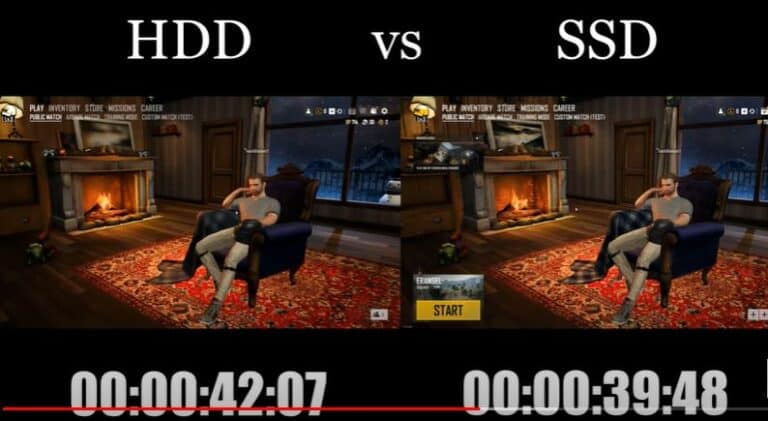
Is an SSD better than an HDD for gaming, especially when full?
Yes, an SSD (Solid State Drive) is vastly superior to an HDD for gaming, regardless of how full it is. SSDs use flash memory, offering significantly faster load times, smoother asset streaming, and less impact from nearing full capacity compared to mechanical HDDs. Upgrading is the best performance boost.
Performance & Optimization
Why do my games stutter even with a good graphics card if my HDD is full?
Even a powerful graphics card can't perform optimally if it's not being fed data fast enough by your storage. A full HDD creates a bottleneck, causing stuttering as the GPU waits for game textures and models to load. This highlights the importance of balanced system components.
Does defragmenting a full HDD actually help gaming performance?
Defragmenting a full HDD can offer a temporary, minor performance boost by consolidating scattered file fragments. This makes data retrieval slightly faster for the read/write head. However, it doesn't create new space and isn't a long-term solution for a drive that is consistently full.
How does virtual memory relate to a full HDD and game performance?
When your system's RAM is maxed out, it uses a portion of your HDD as 'virtual memory' (or a paging file). If your HDD is full, there's insufficient space for this, forcing your system to constantly swap data inefficiently. This directly causes severe lag and stuttering in games.
Can outdated drivers exacerbate full HDD performance issues?
Yes, outdated storage or chipset drivers might not communicate efficiently with your HDD. While not a direct cause, optimized drivers can sometimes make more efficient use of system resources, including storage access patterns, and thus could slightly alleviate full HDD related slowdowns.
Tips: What settings optimization should I consider for gaming on a full HDD?
For a full HDD, consider reducing texture quality, shadow details, and view distance settings within games. These adjustments decrease the amount of data the game needs to stream from storage. Also, ensure background applications are closed to free up RAM and reduce HDD usage.
Is it a myth that a full drive always causes problems?
Myth vs. Reality: It's a reality, not a myth. While a drive with 90% space used might still function, significant performance degradation, especially in gaming, is almost guaranteed. Operating systems and games need free space to function optimally, so a nearly full drive inevitably leads to issues.
Bugs & Fixes
My game keeps crashing, could a full HDD be the cause?
Yes, a critically full HDD can contribute to game crashes. Insufficient space for temporary files, virtual memory, or game saves can lead to errors and instability. It's a common, often overlooked, reason for unexpected game exits, particularly in graphically intensive titles.
How do I diagnose if my lag is due to a full HDD or something else?
To diagnose, first check your drive's free space. If it's critically low (under 10-15%), that's a prime suspect. Monitor disk usage during gaming using Task Manager. High disk activity with slow speeds suggests an HDD bottleneck. Also, compare load times to an external SSD if possible.
Builds & Upgrades
What's the best long-term solution for full HDD gaming issues in 2026?
The best long-term solution in 2026 is upgrading to an NVMe SSD for your primary operating system and most-played games. For secondary storage, consider a larger SATA SSD. HDDs are increasingly becoming obsolete for active gaming due to their speed limitations.
Myth vs. Reality: Can I just add more RAM instead of upgrading my HDD?
Myth vs. Reality: While more RAM is always good, it won't solve a full HDD problem. RAM handles active data; an HDD stores it. If your storage is too slow to feed data to your RAM, more RAM won't magically make the data appear faster. They address different bottlenecks.
Is there a point where an HDD is too old or slow for modern gaming?
Yes, definitely. Older HDDs typically have slower RPMs and outdated interfaces, making them profoundly inadequate for modern 2026 gaming requirements. Even if not full, an old HDD can be a massive bottleneck, causing frustrating performance issues across all game genres.
Endgame Grind & Advanced Tactics
How do current gen consoles (PS5, Xbox Series X) handle full storage compared to PC HDDs?
Current-gen consoles predominantly use NVMe SSDs. Even when nearing full, their integrated SSDs maintain high performance, drastically reducing load times and preventing the severe stuttering issues common with full PC HDDs. This highlights the importance of fast storage.
Myth vs. Reality: Does reinstalling Windows fix full HDD issues?
Myth vs. Reality: Reinstalling Windows effectively clears out old, unnecessary files and gives you a fresh start, which can improve performance on a full HDD. However, it doesn't solve the fundamental issue of limited physical space. If you reinstall everything and quickly fill the drive again, the problems will return.
What are the implications for competitive FPS gaming with a full HDD?
For competitive FPS gaming, a full HDD is a significant disadvantage. It can lead to unpredictable stuttering, slower map loading, and hitches that cost precious milliseconds, directly impacting your reaction time and aim. Consistent, smooth frame delivery is paramount for competitive play.
Are there any specific file types I should prioritize deleting from a full HDD?
Yes, prioritize deleting large, unused game installations, old video recordings, and large downloaded files (like movies or software installers). Also, clear your browser's cache and empty the Recycle Bin. These often consume significant space without providing active benefit.
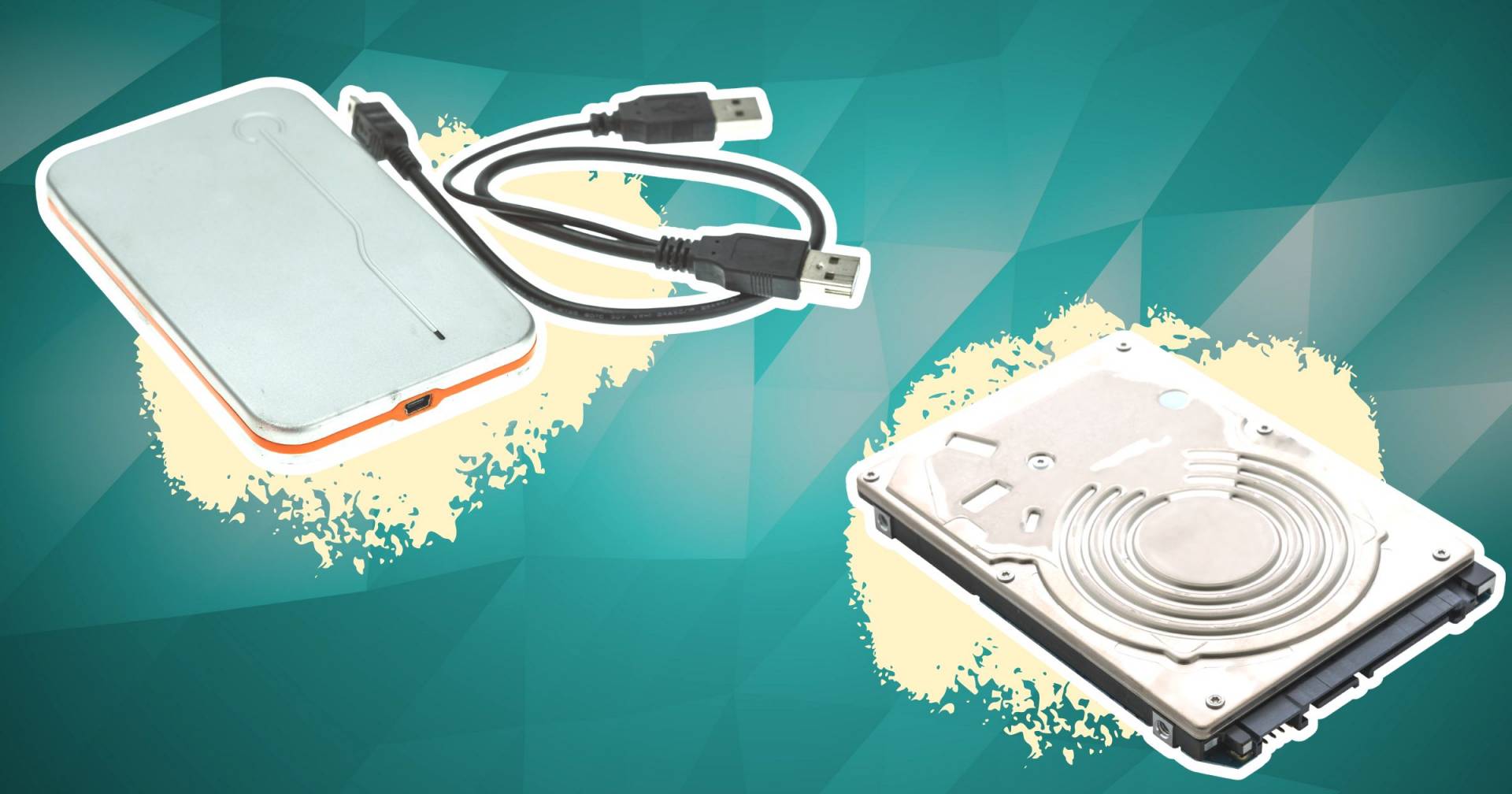
Myth vs. Reality: Can external HDDs solve my internal full HDD gaming problems?
Myth vs. Reality: While an external HDD can provide extra storage for less demanding games or media, it typically won't solve performance problems for your main gaming rig. External drives, especially traditional HDDs, are often slower than internal ones and are primarily for storage, not high-performance gaming.
Still have questions about optimizing your storage or dealing with a full HDD? Don't hesitate to dive into our other popular guides like "Ultimate Guide to PC Gaming Performance" or "Choosing the Best SSD for Gaming 2026" for more in-depth knowledge!
So, you're deep into a crucial Battle Royale match, aiming for that victory, and suddenly your game stutters. Or maybe your RPG takes an eternity to load between zones. You might be asking, "can a full HDD really affect gaming performance?" It’s a common question, and I'm here to tell you that yes, absolutely, it can. Let's dive into why and what you can do about it.Think of your hard drive as the brain of your gaming PC, constantly feeding information to the CPU and GPU. When that brain gets cluttered and overstuffed, it struggles to process data efficiently. This leads to a cascade of performance issues, from noticeable FPS drops to jarring stuttering and infuriatingly long loading screens. In 2026, with game sizes ballooning and asset streaming becoming more complex, a full mechanical hard drive (HDD) is a significant bottleneck for any serious gamer. Even powerful GPUs can't compensate for slow data access.
Understanding the Impact of a Full Hard Drive
When your HDD fills up, its read/write speeds can drastically decrease. This is particularly true if files are fragmented across the disk. Imagine trying to find a specific book in a library where all the books are randomly scattered. That's what your computer faces. This slowdown directly impacts how quickly game assets load, affecting textures, levels, and even character models. Modern games, especially open-world titles, constantly stream data from storage, making fast access critical for smooth gameplay and preventing FPS drops.
Virtual Memory and Paging Files
Your operating system uses a portion of your hard drive as 'virtual memory' or a 'paging file' when your RAM is full. If your HDD is nearly full, there's little space for this virtual memory to operate effectively. This forces your system to constantly swap data, leading to severe lag and stuttering, especially during intense gaming moments. It's like trying to run a marathon with your shoelaces tied together; your system just can't keep up.
Fragmented Files and Data Access
As you install, uninstall, and delete games and other files, data on an HDD can become fragmented. This means pieces of a single file are scattered across different physical locations on the disk. A full HDD exacerbates this problem. The read/write head has to work harder and move more to gather all the pieces, slowing down data retrieval. While not as critical with solid-state drives (SSDs), fragmentation severely impacts traditional HDDs, directly leading to FPS drops and longer load times.
Your AI Engineering Mentor Weighs In: "Can a Full HDD Affect Gaming?" Q&A
Alright, let's grab a coffee and talk through some of the common questions I hear about hard drives and gaming. I get why this stuff can feel a bit like black magic sometimes, but trust me, it's pretty straightforward once you break it down.
Beginner / Core Concepts
Here are some fundamental ideas to get us started. Don't worry if these sound basic; we all begin somewhere!
1. **Q:** Does having a full hard drive really slow down my games, like causing FPS drops or stuttering?**A:** Absolutely, it does! This one used to trip me up too, so you’re not alone. A full HDD can definitely lead to noticeable FPS drops and stuttering, especially in today's demanding games. Think of it like a crowded highway; when there's too much traffic and not enough lanes, everything slows down. Your PC needs space not just for game files, but also for crucial temporary files and virtual memory. When your drive is packed, the system struggles to find and access data quickly, causing those frustrating hitches and lower frame rates. It’s not just about the game itself, but how your entire system manages resources with limited breathing room. You’ve got this, understanding the 'why' is half the battle!
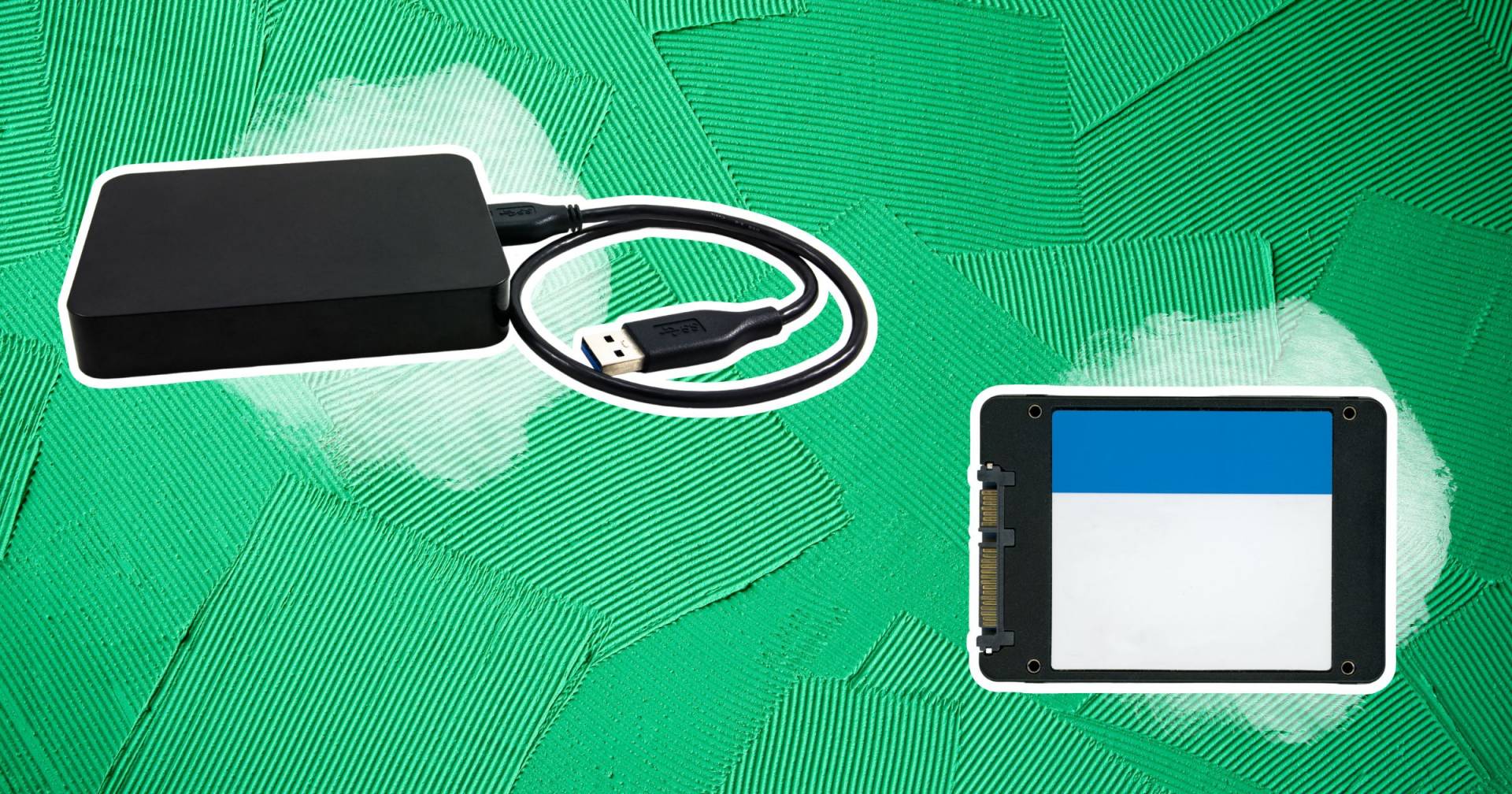
2. **Q:** What's the main difference between an HDD and an SSD, and why does it matter for gaming performance when storage is full?
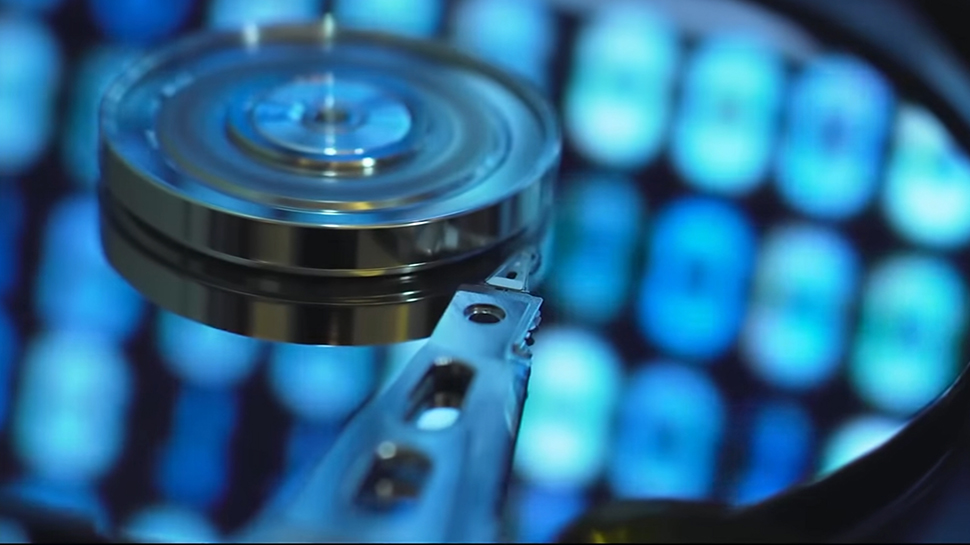
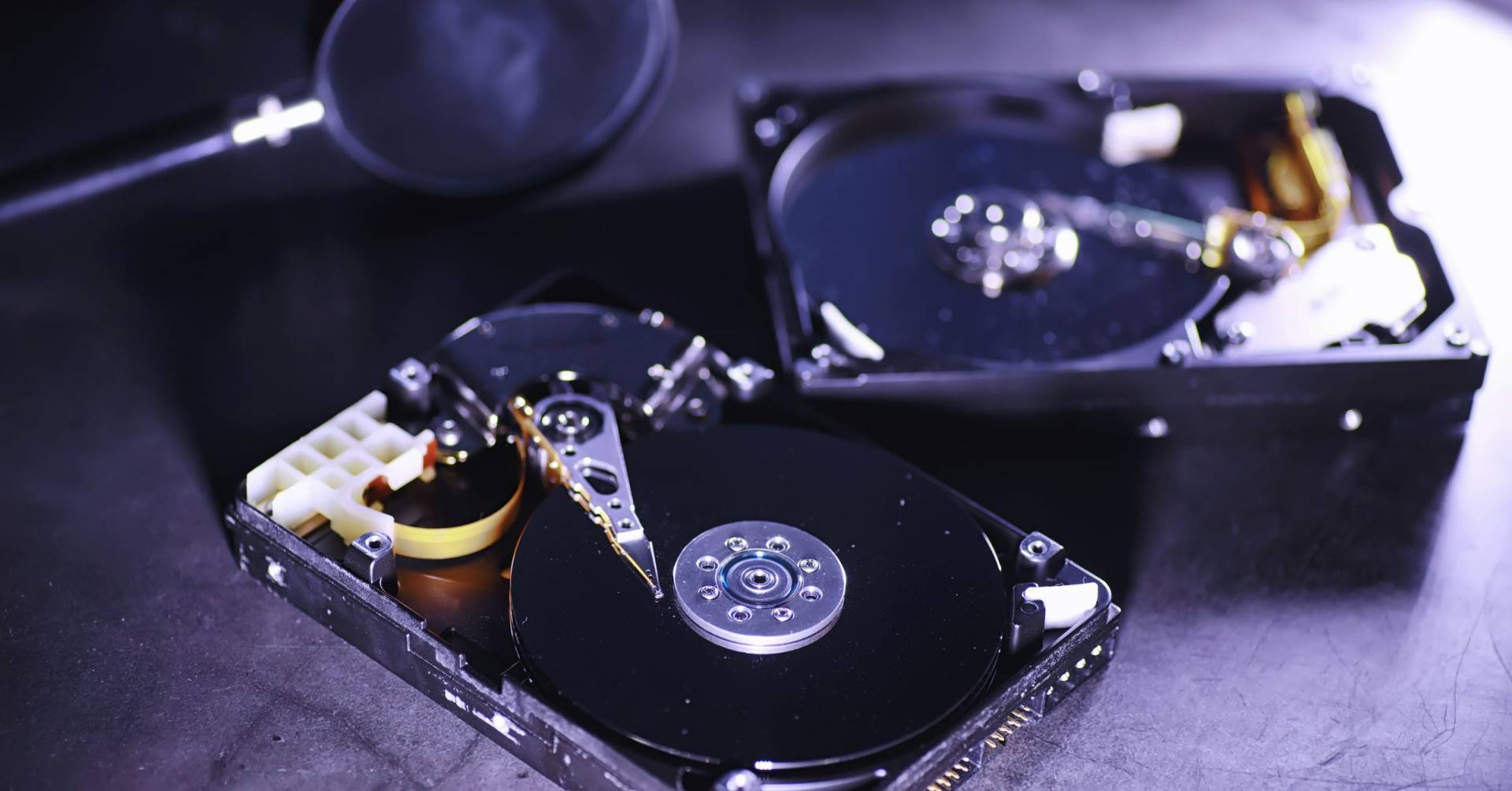
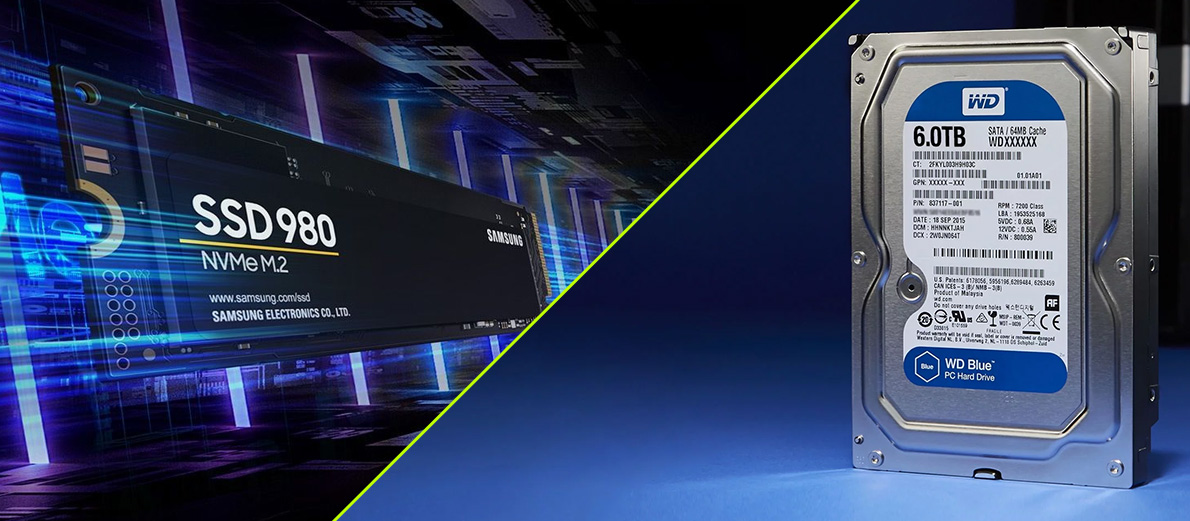
**A:** Ah, the classic HDD vs. SSD debate! The core difference is how they store and access data. HDDs use spinning platters and read/write heads – mechanical parts, like a tiny record player. SSDs use flash memory, similar to a giant USB stick, with no moving parts. This mechanical nature makes HDDs inherently slower, especially when full or fragmented, because the head has to physically move to find data. SSDs, being electronic, can access data almost instantly regardless of how full they are (though extremely full SSDs can see a slight slowdown, it's nowhere near an HDD's impact). For gaming, especially with huge 2026 titles constantly loading assets, SSDs offer dramatically faster load times and smoother gameplay, even when nearing capacity. It's a game-changer, literally! You'll feel the difference, I promise.
3. **Q:** Will deleting some old games or files help my gaming performance right away?
**A:** Yes, it often will! This is one of the quickest wins you can score. When your hard drive is bogged down, freeing up space gives your system some much-needed room to breathe. Deleting old games or large files reduces fragmentation and provides more space for virtual memory, which the operating system uses when your RAM is maxed out. Even a few gigabytes can make a difference in reducing stuttering and improving responsiveness. It’s not a magic bullet if your drive is truly ancient or failing, but for most situations, it’s a great first step. Try it out and see how your game feels tomorrow!
4. **Q:** My computer feels generally slower, not just in games. Is that related to my full HDD?
**A:** Definitely! A full HDD isn't just a gaming performance killer; it's a general system performance killer too. Your operating system constantly writes temporary files, updates, and accesses various programs. When there's minimal free space, every one of these operations slows down. Boot times become agonizing, applications launch sluggishly, and even simple tasks like browsing the web can feel clunky. It's a holistic problem. The system spends more time trying to manage limited resources and find available space, which impacts everything. It's a clear sign your storage is struggling, and addressing it will bring benefits far beyond just gaming. This is a common bottleneck, so you're on the right track investigating it. Keep going!
Intermediate / Practical & Production
Now, let's talk about some slightly more involved concepts and what you can do in practice.
5. **Q:** How much free space should I ideally keep on my gaming HDD to avoid performance issues?**A:** That’s a fantastic question, and it's something many folks overlook. Generally, I recommend aiming for at least 15-20% of your total drive capacity as free space. For a 1TB HDD, that means roughly 150-200GB. This buffer ensures your operating system has ample room for virtual memory, system updates, temporary files, and general operations without hitting performance roadblocks. Anything less, and you start running into issues with file fragmentation becoming more severe and the OS struggling for breathing room, leading to lag and stuttering. It's a pragmatic sweet spot for maintaining smooth operation without feeling overly restrictive. Try to keep an eye on that percentage; it makes a real difference!
6. **Q:** Does defragmenting my HDD help with gaming performance, especially if it's full?
**A:** Defragmenting an HDD can definitely help, especially if your drive is getting full and you notice significant slowdowns. When your files get fragmented—meaning pieces are scattered all over the disk—the read/write head has to work harder, moving around a lot more, which takes time. Defragmentation reorganizes those scattered pieces into contiguous blocks, making data access faster. However, it's more of a temporary boost than a permanent fix for a truly overflowing drive. It won't create more space, but it will optimize how the existing space is used. It's a good maintenance step, but if you're consistently running out of room, an upgrade is the real solution. Give it a shot, but keep an eye on your overall space!
7. **Q:** Are there specific game genres or types that are more affected by a full HDD than others?
**A:** Oh, absolutely! This is a great insight to have. Games that are 'asset-heavy' or feature continuous world loading are hit hardest by a full, slow HDD. Think open-world RPGs like 'Cyberpunk 2077' or large Battle Royale titles like 'Warzone' from 2026. These games constantly stream new textures, models, and map segments from storage, and a slow HDD creates a massive bottleneck. You'll see more stuttering, longer loading screens, and texture pop-in. Indie games or older, more linear titles that load entire levels at once and don't stream as much data will be less affected. So, if you're into those expansive, graphically rich experiences, a fast drive is non-negotiable. It truly elevates your immersion. Keep that in mind for your next game!
8. **Q:** Can a full HDD impact my online gaming experience, like increasing Ping or causing network lag?
**A:** This is a fantastic question that sometimes gets overlooked. While a full HDD doesn't directly increase your Ping (that's primarily a network issue), it can *indirectly* make your online gaming experience feel terrible. If your system is constantly struggling to load game assets, process virtual memory, or perform background tasks due to storage limitations, it can introduce micro-stutters and general system lag. This can then *feel* like network lag, as your client isn't processing the game state smoothly, causing desync or perceived delays. It's like your PC is trying to run a marathon and juggle simultaneously; it just can't keep up, affecting your responsiveness in fast-paced FPS or MOBA games. So, while not a direct cause, it certainly compounds the problem. Clear some space and see if that 'laggy' feeling dissipates!
9. **Q:** What tools or methods can I use to check how full my HDD is and identify large files taking up space?
**A:** Knowing what's hogging your space is crucial, and thankfully, there are some great tools out there. For a quick check, Windows' built-in 'Storage Settings' (under System in Settings) gives you a nice visual breakdown. But for more detail, I highly recommend third-party tools like 'WinDirStat' or 'SpaceSniffer.' These create a visual map of your hard drive, showing you exactly which folders and files are the biggest culprits, often in a color-coded, tree-map format. They make it incredibly easy to pinpoint those forgotten 50GB game installs or huge old video projects. Knowing is half the battle, right? You'll be amazed at what you find lurking! Use these regularly to keep your drive lean and mean.
10. **Q:** Besides deleting files, what are some other initial steps for settings optimization if my HDD is full?
**A:** Great proactive thinking! Beyond just deleting, you've got a few other moves. First, empty your Recycle Bin – sounds obvious, but people forget! Next, clear your web browser's cache and temporary internet files; these can accumulate significantly. Consider reducing the size of your Windows paging file, but only if you have ample RAM (16GB+). For gaming, check if your game allows you to reduce texture quality or asset streaming distance; lower settings might put less strain on a slow drive. Also, ensure your drivers are up to date; optimized drivers can sometimes make more efficient use of system resources, including storage access patterns. These steps won't create miracles, but they definitely stack up and can provide a noticeable bump. Every little bit helps your system breathe easier!
Advanced / Research & Frontier 2026
Let's dive into some deeper technical aspects and future considerations for performance optimization.
11. **Q:** With 2026 technologies, are there new virtual memory management techniques or storage APIs that mitigate full HDD performance issues?**A:** That’s a really forward-looking question! In 2026, we’re seeing advancements, but the fundamental bottleneck of a mechanical HDD remains. However, operating systems like Windows 12 and new game engines are implementing smarter data streaming and predictive loading algorithms, often leveraging AI-driven reasoning models. They try to anticipate what assets a player will need next and pre-load them more efficiently, somewhat masking HDD slowness. New APIs, like Microsoft's DirectStorage, are designed to bypass CPU overhead and let GPUs directly access NVMe SSDs, significantly improving load times for *fast* storage. For HDDs, these advanced techniques offer marginal gains at best. The core message persists: faster storage is king for modern gaming. You can't truly optimize away a physical limitation. It's about damage control, not eradication.
12. **Q:** How does a full HDD impact game development and testing in a 2026 context, especially with larger asset pipelines?
**A:** This is a real headache for developers in 2026! With game assets, textures, and models becoming incredibly high-fidelity and massive in size, full HDDs in dev environments cause huge workflow bottlenecks. Build times for game patches or new content can stretch for hours, and iterative testing becomes excruciatingly slow. Developers need fast storage to compile code, load massive asset databases, and quickly test changes. A full, slow HDD means lost productivity and increased development costs. It forces dev teams to invest heavily in robust SSD/NVMe infrastructure. Many studios now mandate minimum NVMe specs for their dev rigs, acknowledging that a slow drive is a direct drain on resources and creativity. It's a critical infrastructure concern for anyone building frontier models or large software projects.
13. **Q:** What are the implications of HDD read/write degradation over time when the drive is consistently near full capacity?
**A:** This is a crucial, often overlooked, longevity concern. Consistently operating an HDD near full capacity, especially under heavy gaming workloads, accelerates wear and tear. The read/write head has to constantly seek across the entire platter, making more physical movements and stressing the motor. This can lead to increased latency, more bad sectors, and a higher chance of mechanical failure over time. You might notice a gradual but persistent decline in performance even after freeing up space. While HDDs are robust, this kind of sustained stress shortens their lifespan. For critical data or a primary gaming drive, it's a significant risk. This is why migrating to SSDs isn't just about speed; it's also about long-term reliability and avoiding unexpected data loss. Keep your valuable data safe, my friend!
14. **Q:** Can a full HDD affect the performance of my GPU or CPU directly?
**A:** That's an insightful question about system synergy! While a full HDD doesn't *directly* degrade your GPU or CPU's raw processing power, it creates a significant bottleneck that prevents them from working at their full potential. Imagine having a super-fast race car (your CPU/GPU) but a really narrow, bumpy dirt road (your HDD) to drive on. The car can't hit top speeds. If the HDD can't feed data fast enough, your CPU might spend time idling, waiting for assets, or handling virtual memory swaps, rather than crunching game logic. Your GPU might be starved of textures, leading to lower utilization and subsequently, lower FPS. So, yes, it indirectly but profoundly impacts their effective performance in gaming scenarios. They're only as fast as the slowest component feeding them data. It's a classic system bottleneck.
15. **Q:** What's the best long-term strategy for gaming storage in 2026, considering game sizes and frontier model needs?
**A:** For 2026, the absolute best long-term strategy for gaming storage is a primary NVMe SSD for your OS and main games, complemented by a secondary, larger SATA SSD for less-played titles or media. HDDs are increasingly becoming irrelevant for *active* gaming. NVMe drives offer unparalleled speed, crucial for DirectStorage and the massive assets of future titles. A 2TB NVMe for your primary needs is a great starting point. For archival or less performance-critical storage, a large HDD *might* still serve a purpose, but for the actual gaming experience, faster flash storage is the way to go. Consider external NVMe enclosures if you need portable, high-speed game libraries too. It’s an investment, but it future-proofs your rig for years of exceptional gaming. You're setting yourself up for success with this approach!
## Quick 2026 Human-Friendly Cheat-Sheet for This Topic
- **Free Up Space:** Aim for at least 15-20% free space on your gaming drive. It's like giving your PC room to breathe!
- **SSD is King:** If you're still on an HDD for your main games, seriously consider an NVMe SSD upgrade. It's the biggest performance leap you'll make.
- **Defrag (for HDDs only):** If you're stuck with an HDD, occasional defragmentation can help, but don't expect miracles.
- **Manage Virtual Memory:** Ensure your OS has enough room for virtual memory; a cramped drive means slow system response.
- **Check Large Files:** Use tools like WinDirStat to find and clear out those forgotten storage hogs.
- **Update Drivers:** Keep your storage drivers updated, as they can sometimes improve data access efficiency.
- **Prioritize Games:** Install your most played, demanding games on the fastest drive you have.
Full HDDs cause FPS drops and stuttering. Slow load times are a clear sign of an overloaded drive. Virtual memory performance suffers drastically with limited HDD space. Defragmentation can temporarily help but isn't a cure for a truly full drive. Upgrading to an SSD is the most effective solution for gaming performance. Regular file management and cleanup are essential for optimal system health. Future gaming trends demand faster storage solutions.
35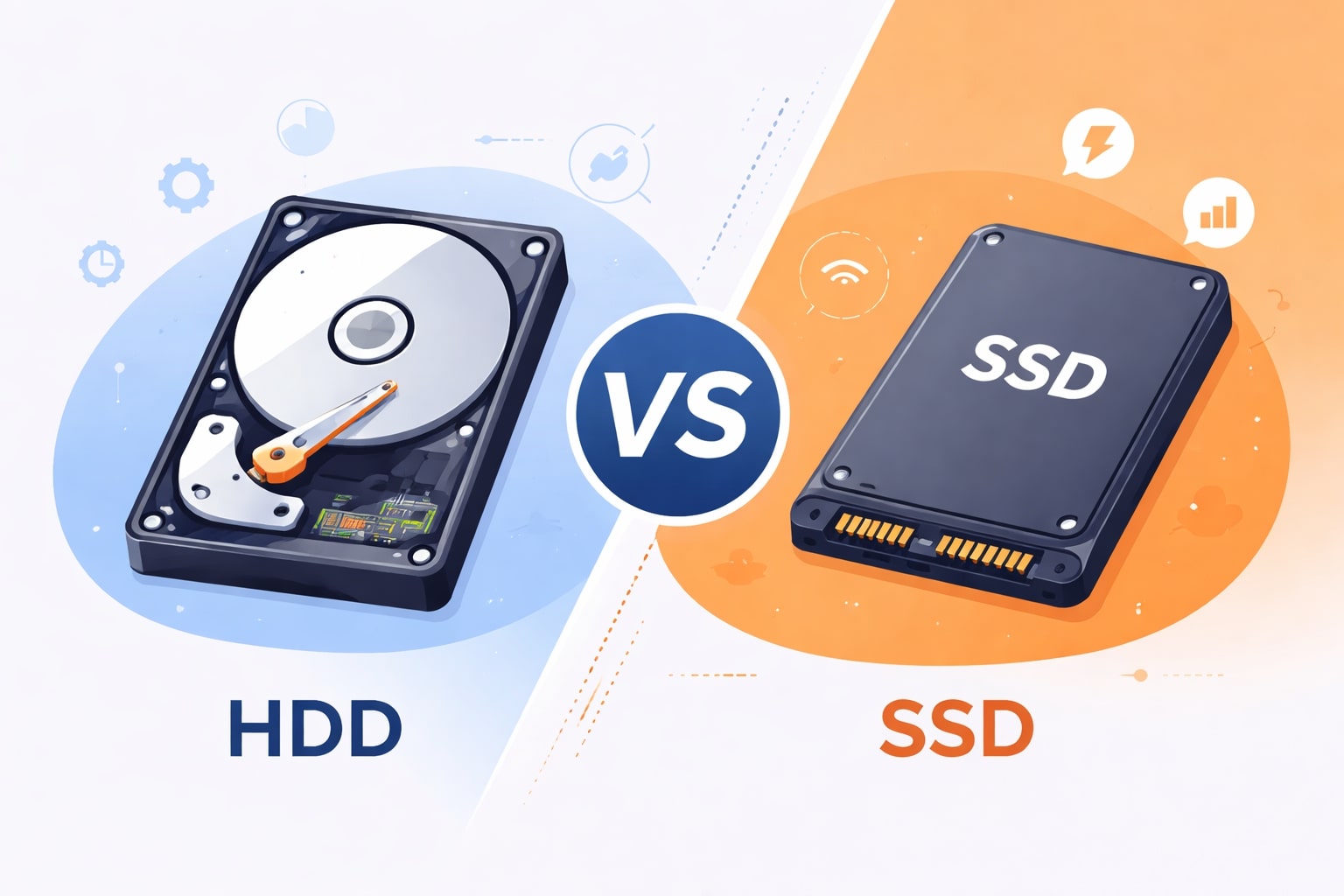

Why RAM Speed Matters More Than Ever For Gaming Tech4Gamers HDD Vs SSD . The 10 Good Hdd For Gaming Of 2026 Tested By Our Experts Good Hdd For Gaming 1681730453 1920 60 . Best HDD For Gaming In 2026 HDD For Gaming . Complete SSD Vs HDD Gaming Guide 2026 Ssdbuddy Com Is It Best To Install Games On Ssd Or Hdd 0.webp. 44TB HDD In 2026 Western Digital Roadmap Shows How HAMR Will



Does Disk Space Usage Affect Gaming Performance SSD HDD Hdd Ssd Eng 516x295 . How To Choose A Gaming Monitor In 2026 Complete Gaming Monitor Buying Gaming Monitor Guide 2026. 6 Advantages Of SSD And NVMe Over HDD In 2026 Explained Advantages Of SSD 9NVMe Over HDD 696x464 . 6 Best Gaming PC Hard Drives Of 2026 Top Gaming Hard Drives . The Best Internal Hdd For Gaming In 2026 Best Internal Hdd For Gaming 1680588152 1920 60


Does Storage Affect FPS In Any Way SSD Vs HDD In Gaming Ssd Vs Hdd In Gaming 1 768x421 . The Best Internal Hard Drive For Gaming Pc In 2026 Best Internal Hard Drive For Gaming Pc 1693892233 1920 60 . Top 10 Most Anticipated Games Of 2026 What To Watch Out For GAMES IN 2026 . Of The Game PC System Doctor Memory AD PTAW. AMD Mobile CPU GPU 2025 2026 Update Includes Ryzen APU Refreshes AMD Ryzen CPU Radeon GPU 2025 2026 APU Refreshes Strix Halo Krackan Fire Range Radeon RX 8000 3 1920x1010

.jpg)
8 Best Hard Drives For Gaming In 2026 News Fb Image 15511 . Best Hard Drive HDD For Gaming 2026 Best For Speed Storage Best Hard Drive For Gaming . SSD Vs HDD Which Is Better For Gaming Modern Gamer Difference Between High End And Budget Gaming PCs . 2026 Gaming Hardware Crisis How Rising RAM And Storage Costs Will Rog Xbox Ally (2) . Upgrading Your PC How To Prioritize Components For Maximum Impact Choosing The Right Storage Solution For Gaming SSD HDD Or Hybrid



Here S How You Can Enable Fullscreen Mode In DeX On One UI 8 SammyGuru 2026 Odyssey Gaming Monitor Lineups 1080x675 . TOP 50 BIGGEST NEW Games Coming In 2026 With Crazy NEXT GEN 4K Graphics . SSD Vs HDD For Gaming Which Is Better HYPERPC Ssd Vs Hdd Banner . 13 Best GPUs For Gaming 2026 Top Graphics Cards Ranked Banner 5.webp. Gaming 2026 Full Release Calendar Games 2026



TOP 40 BIGGEST NEW Games Coming In 2026 With Crazy NEXT GEN 4K Graphics . 7 Best Hard Drives For Gaming In 2026 That Video Game Blog Best Ssd For Gaming Thumbnail 356x263 . Xbox Game Pass In 2026 The Full List Of Everything Announced So Far Large . The Best Hard Drive For Gaming In 2026 HDD Buying Guide Best Hard Drive For Gaming 2023 Overall High Capacity For Console . Gamescom 2026 All Confirmed Major Game Demos Deltia S Gaming EA FC 26 Pre Order Bonus Leaked For All Editions


Best External Hard Drive For Gaming 2026 Portable Console And Handheld . Does Disk Speed Affect Gaming SSD Vs HDD Vs NAS Benchmarks YouTube . CES 2026 World S First Gaming Monitors LG Display Newsroom Hq720 6 1 . Asus Latest OLED Gaming Monitor Can Hit 720 Hz At HD Resolution Dual . Is 500GB SSD Enough For Gaming Pros And Cons Of This Size Will Using An SSD Affect Gaming FPS