Ever wondered how to make a game in Unreal Engine, the powerful tool behind countless blockbusters? This comprehensive guide for 2026 cuts through the noise, offering clear, actionable steps for aspiring developers. We delve into settings optimization, crucial for preventing FPS drops and fixing stuttering issues common in modern game development. Discover how to effectively manage lag, optimize drivers, and grasp core concepts for various genres like FPS, MOBA, RPG, Battle Royale, Indie, MMO, and Strategy games. From beginner basics to advanced techniques, this resource covers everything needed to transform your game idea into a fully realized, polished experience. Get ready to build your dream game with confidence. This resource helps new creators avoid common pitfalls and harness Unreal Engine's full potential, ensuring a smooth and efficient development journey. Unleash your creativity and conquer the virtual world today. This guide ensures you are well-equipped for 2026 game trends.
how to make a game on unreal engine FAQ 2026 - 50+ Most Asked Questions Answered (Tips, Trick, Guide, How to, Bugs, Builds, Endgame)
Welcome to the ultimate living FAQ for making games on Unreal Engine, meticulously updated for 2026! This comprehensive guide addresses over 50 of the most pressing questions new and experienced developers have about navigating Epic's powerful game engine. From crucial settings optimization and common stuttering fixes to deep dives into specific genres like FPS and RPG, we cover everything. Our goal is to provide you with actionable tips, essential tricks, and clear guides, helping you overcome bugs, streamline your builds, and conquer the often-challenging endgame of game development. This resource is designed to be your go-to companion for success in the ever-evolving world of game creation, ensuring your projects are polished and performant.
Beginner Questions
Is Unreal Engine free to use for indie developers?
Yes, Unreal Engine is completely free to download and use. Epic Games only takes a 5% royalty on gross revenue exceeding $1 million USD per title. This makes it incredibly accessible for indie developers and small studios to start their projects without upfront licensing costs. You can develop your entire game and only pay royalties if it becomes a commercial success, which is a fantastic deal for aspiring creators. This model greatly lowers the financial barrier to entry, fostering innovation within the gaming community.
What's easier to learn: Blueprint or C++ for game logic?
Blueprint visual scripting is generally much easier for beginners to learn than C++ for game logic. Its node-based interface allows you to create complex systems visually without writing traditional code. While C++ offers more control and performance, Blueprint is perfect for rapid prototyping, UI, and most gameplay mechanics. Many professional studios use both, with designers often favoring Blueprint. Starting with Blueprint helps you grasp game development concepts faster, building confidence before tackling C++ if needed. It is a powerful tool for streamlining development processes.
Do I need to be a programmer to make a game in Unreal Engine?
No, you do not necessarily need to be a programmer to make a game in Unreal Engine. Thanks to Blueprint visual scripting, designers and artists can create extensive game logic without writing a single line of code. While a basic understanding of logic and problem-solving is beneficial, direct programming expertise in languages like C++ is not a prerequisite for getting started. Many successful indie games are built entirely with Blueprint. However, understanding programming concepts certainly enhances your capabilities and provides more flexibility. It allows a wider range of creators to bring their visions to life effectively.
What is the typical learning curve for Unreal Engine?
The typical learning curve for Unreal Engine can be steep initially, but it becomes manageable with consistent effort. Mastering the basics of the editor, understanding Blueprint, and grasping core game development principles usually takes a few months of dedicated study. Reaching an intermediate level where you can confidently implement complex features might take six months to a year. However, with abundant online tutorials, documentation, and a supportive community, continuous learning is highly accessible. Focus on small, achievable projects to build your skills incrementally, celebrating each success. This approach makes the journey more enjoyable and less overwhelming.
Project Setup & Workflow
How do I choose the right project template in Unreal Engine?
Choosing the right project template in Unreal Engine sets the foundation for your game. Consider your game genre; for an FPS, pick the First Person template; for an RPG or adventure, the Third Person template is ideal. These templates provide pre-built character controllers, animations, and basic mechanics, saving significant setup time. If you're building a unique experience, an empty or blank project allows for maximum control but requires more initial work. Always pick the template that most closely aligns with your core gameplay loop. This decision can greatly impact your initial development speed and project structure. It simplifies the early stages of creation significantly. Picking wisely ensures a smoother start for your project.
What are some essential project settings to configure early on?
Essential project settings to configure early on include input mappings for player controls, ensuring your game responds correctly. Set up your default game modes and player controllers to define core gameplay rules. Graphics settings, such as scalability and rendering features (like Lumen and Nanite if using UE5), should be tweaked for your target platform and performance goals. Configure your packaging settings for deploying to PC, console, or mobile. Don't forget to set up your preferred content directories and naming conventions. These initial configurations streamline development and prevent issues later. Addressing these early on saves considerable time during debugging phases. Proper setup from the start can prevent many headaches.
Should I use C++ or Blueprint for my game's core systems?
For your game's core systems, it's often a strategic blend of C++ and Blueprint. C++ is generally preferred for performance-critical systems, complex algorithms, or extensive libraries, such as custom physics or networking architecture. Blueprint excels at high-level game logic, UI, and rapid iteration due to its visual nature. You can create C++ base classes and expose functionalities to Blueprint, allowing designers to extend behavior without writing code. This hybrid approach offers both performance and flexibility. It optimizes development by leveraging each language's strengths effectively. Many successful games use both seamlessly for maximum efficiency. Choose the right tool for the job.
Myth vs Reality: Is C++ always faster than Blueprint?
Myth: C++ is *always* faster than Blueprint. Reality: While C++ generally offers better performance due to being compiled directly, the performance difference isn't always significant, especially for high-level game logic. Modern Blueprint optimizations mean the bottleneck is often elsewhere, like complex material shaders or unoptimized assets. For truly performance-critical tasks, C++ is superior. For most gameplay features, Blueprint's development speed often outweighs its minor performance overhead. Don't rewrite Blueprint in C++ unless profiling *proves* it's a bottleneck. This nuanced understanding saves development time. Smart optimization means focusing on actual performance issues. It’s not about absolute speed but efficient development.
Asset Management & Optimization
How do I keep my project assets organized and tidy?
Keeping your project assets organized and tidy is crucial for long-term productivity. Implement a strict naming convention from day one (e.g., SM_ for Static Mesh, T_ for Texture, BP_ for Blueprint). Create a logical folder structure, categorizing assets by type and then by gameplay feature or environment. Utilize Unreal Engine's Collections in the Content Browser to group related assets temporarily for quick access. Regularly delete unused assets and clean up redirectors. Consistent organization prevents clutter, makes finding assets easier, and is vital for team collaboration. A clean project simplifies debugging and future updates immensely. Good organization contributes directly to project success. It also improves overall asset pipeline efficiency.
What are common causes of FPS drops in Unreal Engine and how to fix them?
Common causes of FPS drops in Unreal Engine often include unoptimized assets, excessive draw calls, and inefficient lighting. To fix this, reduce polygon counts using Nanite or LODs, compress textures, and optimize material complexity. Minimize the number of unique objects rendered each frame to lower draw calls. For lighting, utilize baked lighting where possible, or optimize Lumen/Shadows settings. Profile your game with Unreal Insights to pinpoint exact bottlenecks on the CPU or GPU. Overlapping volumes, complex particle effects, and heavy post-processing can also contribute. Addressing these issues systematically improves performance. Performance issues can ruin player experience quickly. Small changes can lead to big improvements.
How can I optimize large open-world maps for performance?
Optimizing large open-world maps for performance in Unreal Engine requires a multi-faceted approach. Utilize World Partition to stream only relevant portions of the map, reducing memory footprint and improving loading times. Implement Hierarchical LODs (HLODs) to consolidate distant meshes into fewer draw calls. Leverage Nanite for detailed static geometry and Lumen for dynamic global illumination, but configure their quality settings judiciously. Implement efficient occlusion culling and frustum culling to avoid rendering unseen objects. Use level streaming volumes and distance-based culling for actors. Finally, aggressive asset optimization and careful lighting design are paramount. These techniques ensure smooth gameplay even in vast environments. Managing performance in large worlds is key. You are building expansive, fluid environments.
Myth vs Reality: Does high-resolution mean better game performance?
Myth: Higher resolution textures and models always mean better game performance. Reality: The opposite is often true; extremely high-resolution assets, if not properly optimized, can significantly *harm* game performance. Uncompressed 4K or 8K textures consume vast amounts of VRAM, leading to FPS drops and stuttering. Overly detailed models without proper LODs increase polygon counts unnecessarily, burdening the GPU. While visually stunning, these assets must be balanced with optimization techniques like texture compression, proper streaming, and Nanite. It's about perceived quality versus actual resource usage. Smart optimization balances visual fidelity with smooth framerates. Visual quality is important, but efficiency is paramount.
Multiplayer Issues & Solutions
How do I test multiplayer functionality locally in the Unreal Editor?
Testing multiplayer functionality locally in the Unreal Editor is straightforward and essential for rapid iteration. In the Play-in-Editor (PIE) settings, you can specify the 'Number of Players' and 'Net Mode' (e.g., 'Play as Listen Server' or 'Play as Client'). This launches multiple instances of your game, simulating clients and a server, allowing you to debug replication issues. You can even run dedicated servers locally. This quick testing loop is invaluable for verifying networked behaviors, RPCs, and state synchronization before deploying to actual servers. It simulates a real multiplayer environment effectively. This immediate feedback loop is critical for networking development. It helps catch bugs early in the process.
What are common causes of lag in Unreal Engine multiplayer games?
Common causes of lag in Unreal Engine multiplayer games include high ping, insufficient bandwidth, and inefficient network replication. High ping results from geographical distance to the server or poor internet connection. Inefficient replication means sending too much data over the network, such as replicating every single variable or having too many highly detailed replicated actors. Server performance bottlenecks, where the server can't process updates fast enough, also contribute to lag. Finally, client-side performance issues can *feel* like lag due to FPS drops. Optimizing your network code, reducing replicated data, and choosing appropriate server regions are key. Understanding these factors is crucial for smooth online play. Lag severely impacts player experience and retention. It is a critical area for developers to focus on.
How to implement secure multiplayer game mechanics and prevent cheating?
Implementing secure multiplayer game mechanics and preventing cheating requires a server-authoritative approach. All critical game logic, such as combat calculations, resource management, and player movement validation, should happen on the server. Clients send input, and the server processes it, sending back updated game states. Never trust the client for sensitive data. Use anti-cheat solutions like Easy Anti-Cheat (EAC) or custom server-side validation logic. Obfuscate your client-side code where possible, though true security resides server-side. Implement rate limiting for actions to prevent spamming and exploits. While perfect security is unattainable, these measures significantly deter most cheaters. This approach ensures fair play for everyone. Protecting game integrity is vital for success.
Bugs & Fixes
My game keeps crashing, how do I diagnose the problem?
If your game keeps crashing, diagnosing the problem starts with analyzing the crash logs. Unreal Engine generates logs in your project's `Saved/Logs` folder, which often contain crucial error messages and call stacks. Look for specific error codes, module names, or warnings that precede the crash. Use the debugger in Visual Studio (for C++ projects) or the Blueprint debugger to trace execution leading up to the crash point. Isolate recent changes; reverting to an earlier version via source control can pinpoint the culprit. Update graphics drivers and verify engine files. Sometimes, it's a specific asset, blueprint, or engine bug. Systematic elimination is key. Crash analysis is a critical skill for developers. It helps maintain game stability and ensures a smooth user experience. This systematic approach saves countless hours.
How do I fix common stuttering issues in Unreal Engine?
To fix common stuttering issues in Unreal Engine, you need to identify their source, which is often asset loading, shader compilation, or CPU spikes. Pre-loading assets during level transitions or on initial startup can prevent hitches during gameplay. Ensure shaders are compiled asynchronously or pre-compiled for distribution builds. Profile your CPU usage for sudden spikes; complex Blueprint logic or excessive tick functions can cause these. Optimize garbage collection by releasing unused references. Implement proper LODs and stream textures efficiently to reduce memory pressure. Updating graphics drivers and ensuring sufficient system RAM are also crucial. Consistent framerates are essential for a good player experience. Stuttering often breaks player immersion. Smooth performance is a hallmark of quality.
Myth vs Reality: Is restarting Unreal Engine always the best fix for bugs?
Myth: Restarting Unreal Engine is always the best fix for bugs. Reality: While restarting Unreal Engine can resolve temporary glitches, memory leaks, or editor-specific issues, it's rarely a 'fix' for underlying game logic bugs. A true bug will reappear upon restart. Repeatedly restarting without understanding the root cause means you're not actually solving the problem, only delaying it. The best fix involves debugging, analyzing logs, isolating the issue, and implementing a proper solution. Use restarting as a quick reset, not as a diagnostic tool. This approach ensures genuine problem resolution. It's about fixing the cause, not just the symptom. Debugging systematically is more effective.
Endgame Grind & Polish
What are the best practices for packaging and deploying my game?
Best practices for packaging and deploying your Unreal Engine game involve meticulous preparation. Before packaging, ensure your game is fully optimized, checked for bugs, and runs smoothly on target hardware. Configure your project settings for the specific platform (PC, console, mobile), including desired quality, input, and splash screens. Use the 'Cook Content' option to pre-process assets, improving load times. Always perform a 'Shipping' build for deployment, as it's highly optimized and lacks editor debugging features. Test your packaged build extensively on various hardware configurations. Provide clear installation instructions and system requirements. This final polish ensures a professional launch. A smooth deployment is crucial for player satisfaction. It represents the culmination of all your hard work.
How can I market my indie game effectively after launch?
Marketing your indie game effectively after launch involves sustained effort and smart strategies. Leverage social media platforms (Twitter, TikTok, Instagram) to engage with players, sharing updates and development insights. Create compelling trailers and gameplay videos for YouTube and streaming platforms. Engage with gaming communities on Reddit, Discord, and specialized forums. Reach out to gaming journalists, streamers, and influencers for reviews and coverage. Participate in indie game showcases and festivals, both online and physical. Offer press kits with key information and high-quality assets. A strong community presence and continuous communication are vital for long-term success. Word-of-mouth marketing is incredibly powerful. Building excitement around your game is crucial. Effective marketing can make or break an indie title.
What are some tips for managing post-launch updates and community feedback?
Managing post-launch updates and community feedback is crucial for a game's longevity. Establish clear channels for feedback, such as forums, Discord servers, or in-game reporting tools. Prioritize critical bug fixes and performance issues based on community reports. Communicate transparently about upcoming patches, known issues, and future content plans. Release regular, smaller updates rather than infrequent, massive ones to maintain engagement. Address feedback constructively, showing players their input is valued, but also manage expectations regarding feature requests. A strong relationship with your player base fosters loyalty and growth. This proactive approach keeps your community engaged. Listening to your players ensures sustained interest. It transforms a game into a living experience.
Still have questions?
Didn't find what you were looking for? Join our Discord community or check out these popular related guides:
- Unreal Engine 5 Performance Optimization Guide
- Blueprint Basics: Your First Game in UE5
- Mastering Multiplayer: Advanced Networking in Unreal
Did you ever wonder how celebrities or top studios churn out those incredible games using Unreal Engine? What does it truly take to bring a virtual world to life? Today, we are pulling back the curtain on one of the industry's most powerful tools, giving you the inside scoop on game creation. Forget the rumors; we are diving deep into how you can make your own game on Unreal Engine right now. This guide helps you navigate the complex world of game development with ease. We reveal the secrets behind smooth gameplay and stunning visuals, ensuring your project shines brightly. Get ready to build something extraordinary.
Creating games can seem daunting at first, but with the right approach and a friendly mentor, you'll be coding and designing like a pro. Think of me as your personal guide through the exciting landscape of Unreal Engine development. We will tackle common questions, solve tricky problems, and unlock your creative potential. Let's make sure your game not only runs flawlessly but also captivates players. This journey will be challenging yet incredibly rewarding. Embrace the learning process, and soon you'll be celebrating your game's launch. Remember, every expert was once a beginner, and now is your time to start.
Beginner / Core Concepts
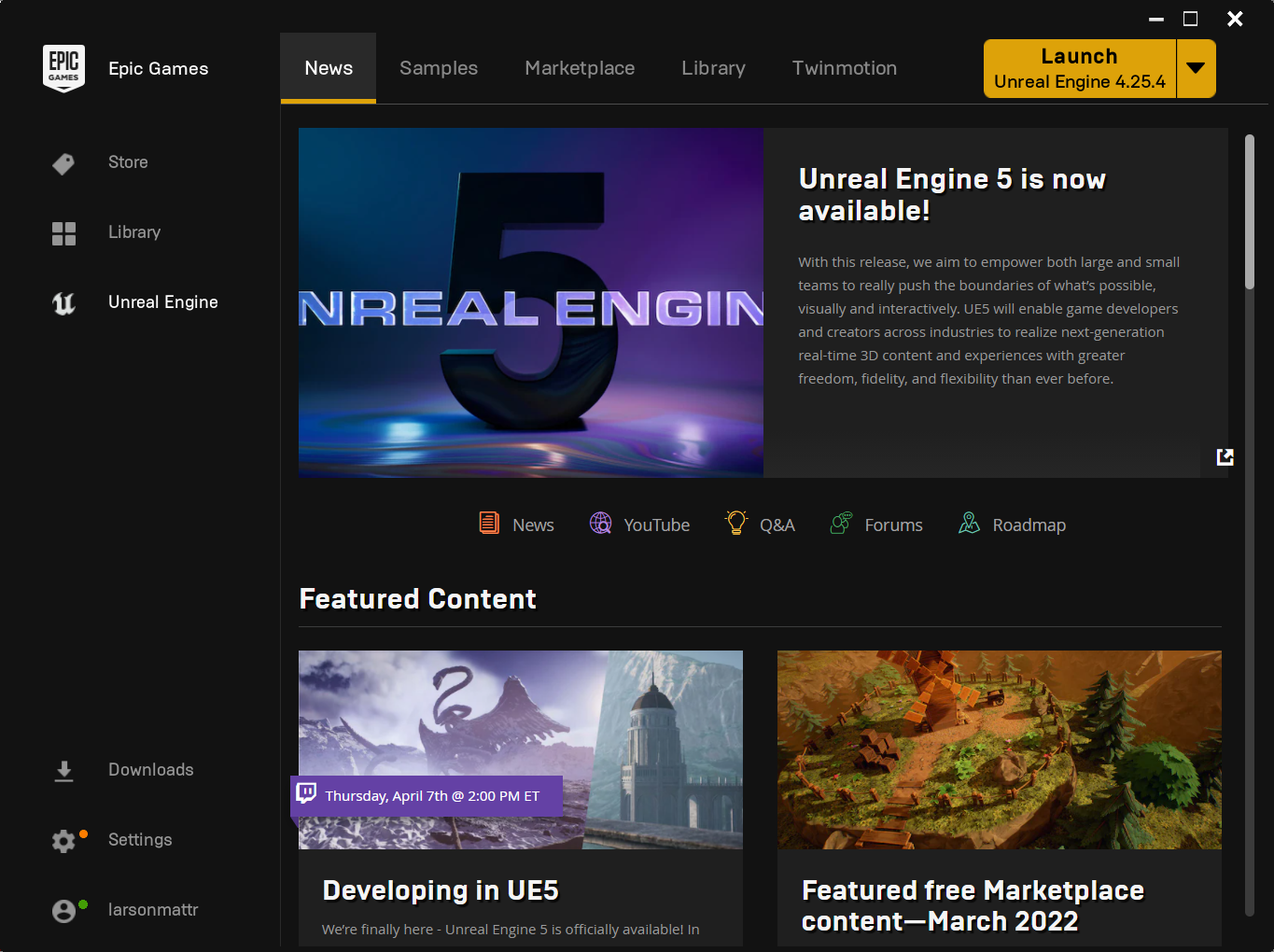
1. Q: What is Unreal Engine and why should I use it for making games?A: Unreal Engine is a comprehensive suite of creation tools designed for game development, architectural visualization, film, and more. It offers incredibly powerful features for building visually stunning and high-performance games across various platforms. You should really consider it because its Blueprint visual scripting makes complex programming accessible to everyone, not just C++ experts. Plus, Unreal Engine 5, especially with features like Nanite and Lumen, truly pushes graphical fidelity, giving your projects a professional polish that’s hard to beat. It’s also free to start, which is a massive plus for any aspiring developer. I get why so many people jump straight into the visual scripting; it lowers the barrier significantly for new folks. Just remember, learning the basics thoroughly will pay huge dividends later. You've got this! Try downloading it tomorrow and just explore the example projects to get a feel.2. Q: How do I even get started with Unreal Engine as a complete beginner?
A: Kicking off your Unreal Engine journey is simpler than you might think, honestly. First things first, head over to the Epic Games Launcher website and download it; that's your gateway. Once installed, find Unreal Engine in the launcher and install the latest stable version, likely UE5 for new projects in 2026. Then, I always recommend exploring the official documentation and numerous free tutorials on Epic's learning portal. Start with basic project creation, navigating the editor, and understanding scene setup. Don't try to build a massive RPG on day one! Focus on small, achievable goals, like moving a character or opening a door with Blueprint. This one used to trip me up too; scope creep is real early on. Keep your initial projects small and focused for quick wins. You’re building foundational muscle memory here. You’ve definitely got this!3. Q: What is Blueprint visual scripting, and is it enough to make a full game?
A: Blueprint visual scripting is Unreal Engine's node-based coding system, allowing you to create game logic without writing traditional C++ code. It's an incredible tool for rapid prototyping and even building entire games. For many indie projects, Blueprint is absolutely sufficient for developing sophisticated game mechanics, UI, and interactions. Large studios also use Blueprint extensively for designers and rapid iteration, often complementing C++ for performance-critical systems. In 2026, Blueprint's capabilities have expanded even further, making it a viable option for virtually all gameplay logic. Don't underestimate its power; it truly democratizes game development. You don't need to be a C++ wizard to make amazing things. You're going to love how intuitive it is once you get going!4. Q: What kind of computer specifications do I need for smooth Unreal Engine development?
A: For smooth Unreal Engine development, especially with UE5's demanding features, a powerful machine is key. I'd highly recommend at least an Intel i7 or AMD Ryzen 7 processor from the last couple of generations, preferably with 8 cores or more. A minimum of 32GB RAM is almost essential now; 64GB would be even better, believe me, it makes a huge difference with compiling shaders. For the GPU, an NVIDIA RTX 3060 or AMD RX 6700 XT is a good starting point, but an RTX 4070 or equivalent would provide a much more comfortable experience, especially with Lumen and Nanite. An NVMe SSD is non-negotiable for project loading and compile times. Think of it as investing in your productivity. You'll thank yourself later when things just 'flow'. This setup helps avoid those frustrating FPS drops and stutters.
Intermediate / Practical & Production
1. Q: How do I optimize my Unreal Engine project to prevent FPS drops and ensure smooth performance?A: Optimizing your Unreal Engine project is a continuous process crucial for preventing those annoying FPS drops. Start by auditing your assets; high-poly models and uncompressed textures are common culprits. Utilize Nanite for static meshes to manage polygon counts effectively. Implement proper LODs (Levels of Detail) for objects further from the camera. Lumen is powerful, but ensure your lighting setup is efficient; consider baked lighting for static elements. Profile your game using Unreal's built-in tools like the GPU Visualizer and Stat commands to pinpoint bottlenecks. Don't forget about efficient collision meshes and reducing draw calls. A solid understanding of engine scalability settings is also vital. It's about smart resource management, not just raw power. You’ll be surprised how much performance you can gain with a few tweaks. You’ve got this, just be methodical!2. Q: What's the best approach for managing game assets and keeping my project organized?
A: Effective asset management is absolutely crucial for a healthy Unreal Engine project; it prevents future headaches, trust me. Establish a consistent naming convention for all your assets from day one, something like `SM_Prop_Chair_01` for a static mesh. Organize assets into logical folders, typically by type (Meshes, Textures, Blueprints, Materials) and then by category (Characters, Environments, UI). Use Collections in the Content Browser to quickly group related assets without moving them. Leverage source control like Git or Perforce, even for solo projects, to track changes and prevent accidental data loss. It sounds tedious, but a clean project is a happy project, making collaboration and debugging so much easier. This attention to detail improves overall development speed. This will save you countless hours down the line. Keep your workspace tidy, just like your code!3. Q: How can I implement basic multiplayer functionality in my Unreal Engine game?
A: Implementing basic multiplayer in Unreal Engine involves understanding networking fundamentals and leveraging the engine's built-in replication features. Begin by familiarizing yourself with `Actors` and `Components` that need to be replicated, setting their `Replication` property. Crucially, use `RPCs (Remote Procedure Calls)` to send functions from clients to the server, and vice versa, for authoritative actions. The `GameMode` and `GameState` classes are essential for managing player connections and overall game state across the network. Start with a simple networked character movement and then gradually add more complex interactions. Testing locally with multiple clients is straightforward within the editor. While networking can feel like a beast, Unreal provides a robust framework to build upon. It’s a core feature for many game genres, including FPS and MOBA. Don't be afraid to experiment with small, networked mechanics. You're building robust systems!4. Q: What are some common pitfalls or mistakes beginners make in Unreal Engine development?
A: Oh, this one's a classic, and I've seen them all, believe me! A huge pitfall is 'scope creep'—trying to build an MMO or Battle Royale as your first game. Start small, focus on one core mechanic. Another common mistake is not understanding the difference between local and replicated variables, which wreaks havoc in multiplayer. Neglecting performance optimization early on leads to massive reworks later, causing FPS drops. Over-relying on marketplace assets without understanding how they work can create debugging nightmares. Not using source control is another big no-no; losing a day's work is crushing. Finally, ignoring the official documentation means you're reinventing the wheel constantly. Learn from these common traps. These mistakes often lead to significant frustration. Keep your eyes peeled for these common errors. You’ll learn so much by avoiding them!5. Q: How do I create engaging level designs that keep players hooked?
A: Crafting engaging level designs means guiding players intuitively while offering interesting challenges and discoveries. Think about flow; use environmental cues, lighting, and natural barriers to direct players without explicit arrows. Incorporate varying gameplay rhythms – moments of tension, exploration, and combat – to keep the experience fresh. Pacing is critical for RPGs and Strategy games, ensuring players aren’t overwhelmed or bored. Utilize verticality and environmental storytelling to add depth and narrative to your levels. For a strong level, focus on clear objectives and rewarding exploration. Iteration is key here; playtest constantly and gather feedback to refine your layouts. Good level design makes a game memorable. People often overlook how crucial this is for player retention. You'll be building worlds in no time!6. Q: What's the recommended workflow for creating custom characters and animations?
A: The recommended workflow for custom characters and animations usually involves a few key stages. First, model your character in a 3D software like Blender or Maya, ensuring good topology and a clean mesh. Next, rig the character, which means creating a skeletal hierarchy that allows for deformation and posing. Then, you'll skin the character, binding the mesh to the skeleton so it deforms realistically. Export your rigged character as an FBX into Unreal Engine. Animations can be created in your 3D software or directly within Unreal using the Animation Editor, Sequencer, or Motion Warping tools. Blending animations and creating state machines in the Animation Blueprint are crucial for fluid character movement. Don’t forget about retargeting existing animations to save time. This systematic approach ensures professional results. It’s a bit of a process, but incredibly rewarding. You're bringing characters to life!
Advanced / Research & Frontier 2026
1. Q: How can I leverage advanced rendering features like Lumen and Nanite effectively in 2026 projects?A: Leveraging Lumen and Nanite effectively in 2026 projects is about understanding their strengths and integrating them intelligently. Nanite, Unreal Engine 5's virtualized geometry system, handles incredibly high-detail static meshes, virtually eliminating LOD concerns and simplifying asset pipelines. Use it for almost all your static environment props and detailed architectural elements. Lumen, the global illumination and reflections system, provides breathtaking dynamic lighting. Configure Lumen to balance visual quality with performance; sometimes a lower quality setting still looks fantastic but runs much better. Ensure your materials are set up correctly for Lumen, specifically paying attention to roughness and emissive properties. Combine them strategically for unparalleled visual fidelity without crippling your FPS. These are game-changers for visual realism. They truly push the boundaries of what’s possible in real-time rendering. You're building next-gen visuals!2. Q: What are the best practices for AI development and behavior trees in modern Unreal Engine games?
A: Best practices for AI development in modern Unreal Engine games revolve around robust behavior trees and well-structured AI logic. Design your behavior trees hierarchically, breaking down complex decisions into smaller, manageable tasks. Utilize Blackboard components to manage shared AI data efficiently, making your AI more reactive and data-driven. Employ services and decorators to inject logic and conditions into your tree, rather than cramming everything into tasks. Consider using Environmental Query System (EQS) for more dynamic AI decision-making based on the environment, particularly useful for MOBA or Strategy game AI. In 2026, look into integrating basic machine learning models for adaptive AI behaviors, especially for sophisticated enemy patterns or advanced NPCs. It’s about creating intelligent, believable agents. A well-designed AI can dramatically enhance player experience. You'll make smart, engaging enemies!3. Q: How can I integrate machine learning models or AI services into my Unreal Engine game?
A: Integrating machine learning models or advanced AI services into your Unreal Engine game opens up exciting possibilities for dynamic gameplay. You can achieve this by using the `UE Python Plugin` to connect with external ML libraries like TensorFlow or PyTorch. For real-time inference, consider converting your trained models to ONNX format and utilizing a lightweight inference engine like `ONNX Runtime` directly within Unreal. Cloud-based AI services can be integrated via REST APIs, handling complex tasks like natural language processing for dynamic dialogue systems or advanced recommendation engines. This approach is gaining traction for truly adaptive game worlds and personalized player experiences. Think about procedural content generation or intelligent NPC reactions for RPGs. The future of gaming really involves smart systems. You're pushing the boundaries of interactive entertainment!4. Q: What are the considerations for developing VR or AR games with Unreal Engine in 2026?
A: Developing VR or AR games with Unreal Engine in 2026 requires specific considerations beyond traditional game dev. Performance is paramount; maintaining a high, consistent FPS (at least 90-120) is crucial to prevent motion sickness. Aggressively optimize assets, draw calls, and lighting. Implement comfort settings like teleportation locomotion and snap turning. Input handling differs significantly, focusing on motion controllers and gaze interaction. Design UI/UX specifically for spatial computing, avoiding flat 2D menus where possible. Leverage Unreal's built-in XR plugins for various headsets like Meta Quest 3, Apple Vision Pro, or upcoming haptic feedback devices. Experiment with passthrough AR for mixed reality experiences. This field is rapidly evolving, so staying updated on hardware and SDK changes is key. It's a truly immersive medium that requires unique design thinking. You're building experiences that transport players!5. Q: How do I approach advanced profiling and debugging for complex performance issues?
A: Approaching advanced profiling and debugging for complex performance issues in Unreal Engine is a systematic detective job. Don't just guess; use the right tools. Start with the `Stat` commands (e.g., `stat fps`, `stat unit`, `stat gpu`, `stat rhi`) to get immediate insights into bottlenecks. Dive deep with the `Unreal Insights` profiler, capturing detailed traces of CPU, GPU, memory, and networking activity. Identify specific assets, blueprints, or C++ code causing spikes. Use the `Shader Complexity` viewmode to spot overly expensive materials. Debugging memory leaks often involves tools outside Unreal, like `Visual Studio's diagnostic tools`. For networking lag, use `net profile` and analyze packet loss. Remember, performance is a feature, not an afterthought. It's a methodical process that really hones your problem-solving skills. You’ll be a performance guru in no time!
Quick 2026 Human-Friendly Cheat-Sheet for This Topic
- Start Small: Don't build an epic open-world RPG as your first project. Begin with simple mechanics.
- Use Blueprints: Leverage visual scripting to get prototypes running quickly without diving into C++ immediately.
- Optimize Early & Often: Performance matters! Profile regularly to catch FPS drops before they become major issues.
- Stay Organized: Consistent naming and folder structures save you immense headaches later on.
- Learn Source Control: Git or Perforce is your best friend for versioning and collaboration.
- Leverage Official Resources: Epic's documentation and learning portal are treasure troves of information.
- Join the Community: The Unreal Engine forums and Discord are fantastic for getting help and sharing knowledge.
Unreal Engine game development guide, UE5 game creation process, Blueprint scripting essentials, C++ game programming tips, Optimizing game performance in Unreal Engine, Indie game development strategies, Multiplayer game setup UE, Level design best practices, Character rigging and animation, Post-processing and rendering techniques, VR game development Unreal Engine, Mobile game optimization, Debugging and testing workflows, Marketing your indie game.
35


How To Make A Game With Unreal Engine Unreal Engine Learning Tutorial . Learning How To Make A Game In UNREAL ENGINE YouTube . How To Build A Simple Game On Unreal Engine Beginner S Course . Unreal Engine How To Make A Game H Ng D N To N Di N T A N Z Unreal Engine Blog Learn Game Development For Free With Unreal Online Learning News Body Image 1 1640x895 . How To Add Light In Unreal Engine 2026 Ultimate Guide How To Add Light In Unreal Engine 1.webp


-1200x675-3ba0c73d60c867b2040a2e3fcbb057c40313d515.png)

Unreal Engine Game Development Cost 2026 Juego Studios 01 Banner Top Unreal Engine Game Development Companies 2025 Edition 1. How To Create Your First Complete Game In Unreal Engine UE Beginner . Unreal Engine Beginner Tutorial Building Your First Game YouTube . How To Make A Game GameDev Academy 117 Your First Hour In Unreal Engine (1200x675) 1200x675 . How To Make A Game Mode In Unreal Engine 5 YouTube



How To Make A VR Game With Unreal Engine A Guide SDLC Corp How To Build Real Time Strategy Games With Unreal Engine.webp. How To Make A Video Game In Unreal Engine 5 Beginner Tutorial YouTube . How To Create A Game In Unreal Engine 5 UE5 Beginner Tutorial YouTube . How To Add Lighting In Unreal Engine 2026 Ultimate Guide How To Add Lighting In Unreal Engine 2.webp. Create A Game From SCRATCH In Unreal Engine 5 In 2024 FULL COURSE



How To Learn Unreal Engine 2026 Complete Beginner Guide New Project 2024 05 . Unreal Engine 5 Mobile Game Creation Step By Step Tutorial YouTube . How To Make Your First Game Unreal Engine 5 Beginner S Tutorial YouTube . Unreal Engine 5 Tutorial For Beginners Getting Started 2026 00 Download Unreal . Creating Open World Games With Unreal Engine SDLC Corp How To Develop Mobile Games With Unreal Engine 4 A Complete Guide.webp



Visual Studio 2026 Insider Released Com 1024x576 . How To Create A Car Racing Game In Unreal Engine 5 UE5 Beginner . Unreal Engine Logo . Make Your Own Games In Unreal Engine 5 Bundle Com . How To Make A 2D Game In Unreal Engine 5 Beginner Tutorial YouTube

Game Engines Explained How Unreal Unity And Others Build Worlds Game Engines Explained How Unreal Unity And Others Build Worlds 2 . Unreal Engine By Epic Games The Game Development Unreal Engine Creativity . The Best Unreal Engine 5 Games Out Now And Coming Soon Creative Bloq . How To Make Your First Game In Unreal Engine 5 In 2023 Full Course . Exploring The Most Popular Games Made In Unity Engine Unreal Engine Games.webp
Game Dev Tutorials Girls Make Games Unreal Engine . How To Learn Unreal Engine 2026 Complete Beginner Guide 5gamescover . How To Make A Video Game In Unreal Engine 4 1 Project Setup Unreal . How To Develop A Game Using Unreal Engine Unreal Engine Game Development. How To Make A Video Game A Basic Guide Access Creative College Unreal Game Engine On Macbook